

Congestive heart failure is a chronic condition that occurs when the heart muscle is unable to pump blood effectively. This can lead to fluid buildup in various parts of the body, including the lungs, liver, and legs. One symptom that may accompany congestive heart failure is the appearance of a skin rash. While not all cases of congestive heart failure result in a skin rash, it is a potential symptom that should not be ignored.
Skin rash in congestive heart failure may be caused by a variety of factors. One possibility is that the rash is related to the accumulation of fluid in the body. This fluid buildup can cause the skin to become stretched and irritated, leading to the development of a rash. Another potential cause of skin rash in congestive heart failure is the use of medications to treat the condition. Some medications used to manage congestive heart failure may cause skin reactions or rashes as a side effect.
It is important for patients with congestive heart failure to be aware of the potential for skin rash as a symptom of their condition. If a rash develops, it is important to seek medical attention to determine the underlying cause and receive appropriate treatment. Patients should also be sure to follow their treatment plan for congestive heart failure to help manage their symptoms and reduce the risk of complications.
Key Takeaways
- Congestive heart failure may cause skin rash as a potential symptom.
- Skin rash in congestive heart failure may be caused by fluid buildup or medication side effects.
- Patients with congestive heart failure should seek medical attention if a rash develops and follow their treatment plan to manage their symptoms.
Understanding Congestive Heart Failure
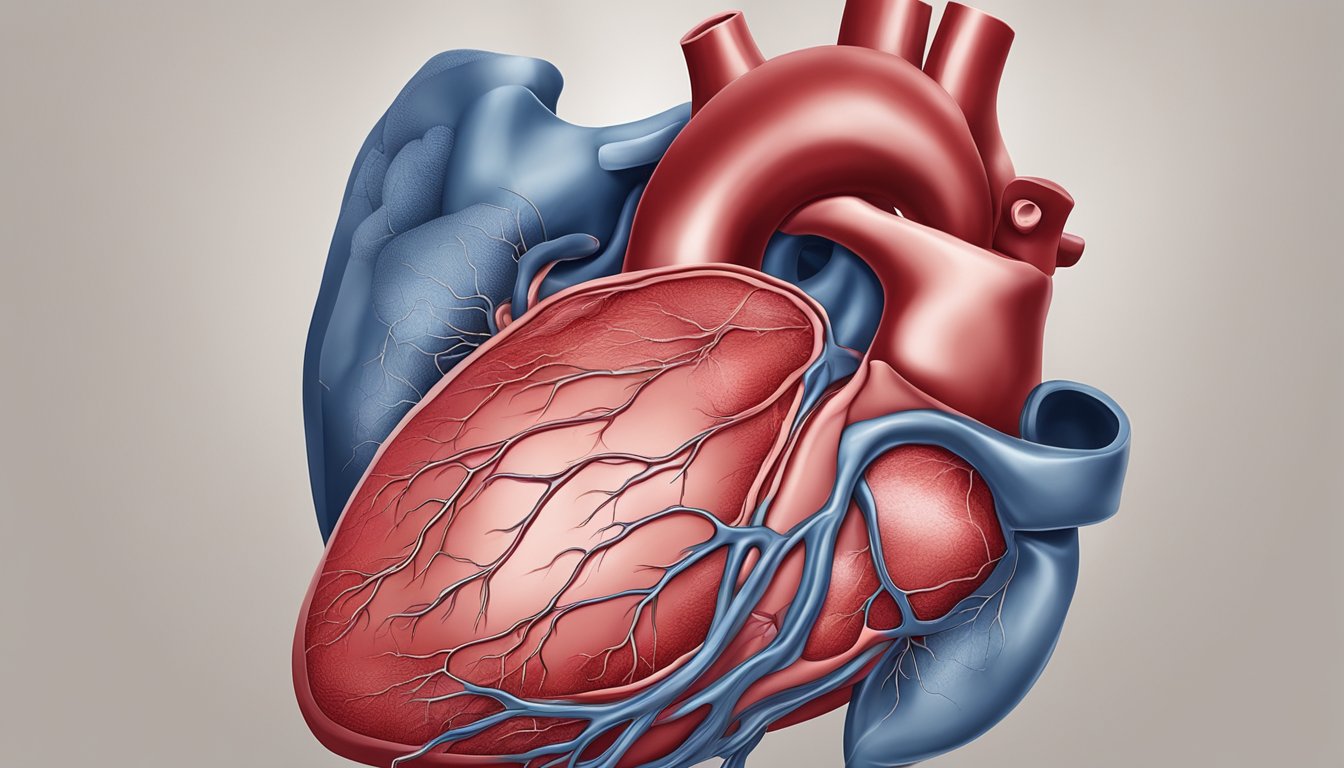
Congestive heart failure (CHF) is a chronic condition that occurs when the heart is unable to pump blood as efficiently as it should. This results in a buildup of fluid in the lungs, liver, and other parts of the body. CHF can be caused by a variety of factors, including coronary artery disease, hypertension, diabetes, obesity, smoking, high cholesterol, genes, and congenital heart disease.
Causes and Risk Factors
CHF can be caused by a number of different factors, including coronary artery disease, hypertension, diabetes, obesity, smoking, high cholesterol, genes, and congenital heart disease. Certain lifestyle factors, such as a sedentary lifestyle, a diet high in sodium, and excessive alcohol consumption, can also increase the risk of developing CHF.
Symptoms and Diagnosis
The symptoms of CHF can vary depending on the severity of the condition. Common symptoms include shortness of breath, swelling in the legs and ankles, fatigue, and a persistent cough. A healthcare provider can diagnose CHF through a physical exam, blood tests, and imaging tests, such as an echocardiogram.
Treatment Approaches
Treatment for CHF typically involves a combination of medications, lifestyle changes, and, in some cases, medical procedures. Medications may include diuretics, ACE inhibitors, beta-blockers, and other drugs that help to improve heart function. Lifestyle changes may include exercise, a healthy diet, and weight management. In some cases, a heart transplant or other medical procedure may be necessary.
Management of Chronic Conditions
CHF is a chronic condition that requires ongoing management. This may include regular check-ups with a healthcare provider, monitoring of blood pressure and other vital signs, and regular medication adjustments.
Complications and Comorbidities
CHF can lead to a number of complications, including arrhythmia, infections, cardiac arrest, heart valve problems, blood clots, myocarditis, and thyroid problems. It is important for individuals with CHF to be aware of these potential complications and to seek medical attention if they experience any symptoms.
Advancements in Cardiac Care
Advancements in technology and medical research have led to new treatments and procedures for CHF. These include new medications, implantable devices, and other innovative approaches to managing the condition.
Living with Heart Failure
Living with CHF can be challenging, but there are steps that individuals can take to improve their quality of life. These may include staying active, following a healthy diet, managing stress, and seeking support from friends, family, and healthcare providers.
Psychological Impact
CHF can have a significant psychological impact on individuals and their families. It is important for individuals with CHF to seek support and treatment for any mental health concerns, such as depression or anxiety.
Skin Rash in Congestive Heart Failure
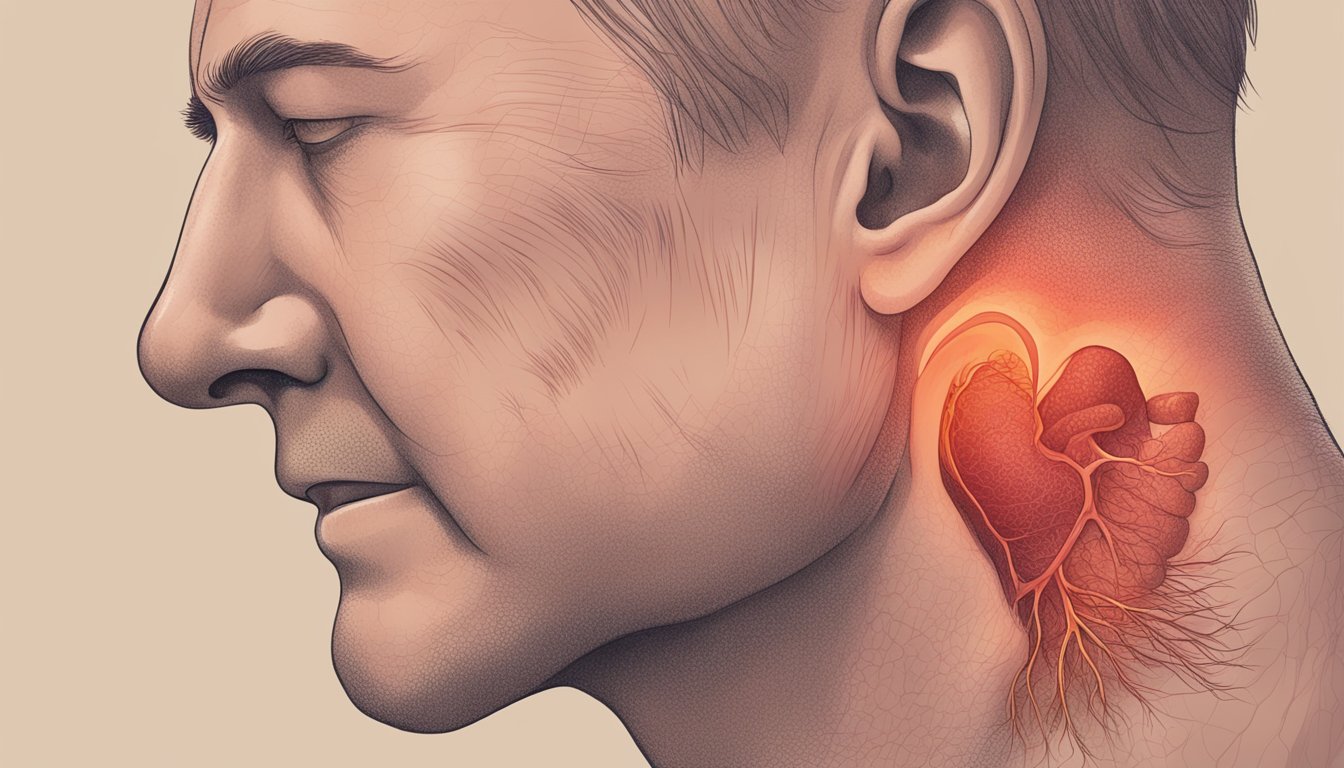
Congestive heart failure is a serious medical condition that affects the heart’s ability to pump blood efficiently. One lesser-known symptom of congestive heart failure is skin rash. This section will discuss the common skin conditions associated with congestive heart failure, how to identify and treat skin rashes, skin rash as a symptom of heart disease, preventive measures and skincare, and when to seek medical attention.
Common Skin Conditions Associated
Skin rashes in congestive heart failure can manifest in various ways. Some common skin conditions associated with congestive heart failure include eczema, psoriasis, skin cancer, itching, inflammation, rashes, dry skin, acanthosis nigricans, hidradenitis suppurativa, pruritus, xanthoma, and livedo reticularis. These skin conditions can cause significant discomfort and irritation, and they can also be an indication of a more serious underlying medical condition.
Identifying and Treating Skin Rashes
Identifying and treating skin rashes in congestive heart failure is crucial to maintaining overall health and wellbeing. The first step in identifying a skin rash is to conduct a thorough examination of the affected area. A healthcare provider will examine the rash to determine its cause and severity. Treatment options may include topical creams, oral medications, or lifestyle changes.
Skin Rash as a Symptom of Heart Disease
Skin rash can be a symptom of heart disease, and it can indicate a more serious underlying medical condition. Skin rashes associated with heart disease can manifest in various ways, including cyanosis, inflammation, swelling, and edema. If a skin rash is accompanied by other symptoms such as shortness of breath, chest pain, or fatigue, it is important to seek medical attention immediately.
Preventive Measures and Skincare
Preventive measures and skincare can help reduce the risk of skin rashes in congestive heart failure. Lifestyle changes such as maintaining a healthy diet, exercising regularly, and avoiding exposure to irritants can help prevent skin rashes. Skincare practices such as protecting the skin from the sun, keeping the skin hydrated, and avoiding harsh soaps and detergents can also help prevent skin rashes.
When to Seek Medical Attention
If a skin rash is accompanied by other symptoms such as shortness of breath, chest pain, or fatigue, it is important to seek medical attention immediately. A healthcare provider can conduct a thorough examination and determine the cause of the rash. If the rash is an indication of a more serious underlying medical condition, prompt treatment can be life-saving.
Patient Care and Support

Navigating Healthcare Systems
Navigating healthcare systems can be overwhelming, especially for patients with congestive heart failure and skin rash. It is essential to find a healthcare provider who is experienced in treating heart failure and can offer the necessary support and treatment plan. Patients should ask questions and seek clarification from their healthcare provider, especially regarding medications, exercise, and lifestyle changes.
Role of Diet and Exercise
Diet and exercise are crucial components of heart health. Patients with congestive heart failure and skin rash should follow a healthy diet and exercise regularly to maintain a healthy weight and prevent obesity. It is essential to work with a registered dietitian to develop a diet plan that meets their specific needs. Patients should also consult with their healthcare provider before starting any exercise program.
Emotional and Psychological Support
Patients with congestive heart failure and skin rash may experience depression and other mental health issues due to the impact of their condition on their quality of life. It is essential to seek emotional and psychological support from a qualified healthcare professional, such as a therapist or counselor. Patients should also consider joining support groups to connect with others who are going through similar experiences.
Patient Education and Resources
Patient education is critical in managing congestive heart failure and skin rash. Patients should seek information and resources that can help them understand their condition and manage their symptoms effectively. Patients can find reliable information from reputable sources such as the Heart Failure Society (Singapore) Writing Group. Patients should also consult with their healthcare provider for additional resources and information.
Support Groups and Community Involvement
Support groups and community involvement can help patients with congestive heart failure and skin rash to feel more active and engaged in their community. Patients should consider joining support groups or participating in community activities to connect with others and improve their quality of life. Patients can also seek support from family and friends to help them manage their condition effectively.
It is essential to note that the information provided in this section is for educational purposes only. Patients should always consult with their healthcare provider before making any changes to their treatment plan or lifestyle. The information provided should not be used as a substitute for professional medical advice, diagnosis, or treatment.
Conclusion
In conclusion, skin rash is a common manifestation of congestive heart failure (CHF). CHF is a chronic condition that can significantly affect the quality of life of affected individuals. The skin rash associated with CHF can be a result of various factors, including medication, fluid buildup, and poor circulation.
It is important to note that not all individuals with CHF will experience skin rash. However, those who do should seek medical attention promptly. The rash may be a sign of worsening heart health or a reaction to medication.
Maintaining good heart health is crucial for individuals with CHF. This can be achieved by following a healthy lifestyle, taking medication as prescribed, and attending regular medical checkups.
In summary, skin rash can be a symptom of congestive heart failure. It is important to seek medical attention promptly if a rash develops, as it may be a sign of worsening heart health. By taking steps to maintain good heart health, individuals with CHF can improve their quality of life and reduce the risk of complications.
Getting assessed in Singapore
In Singapore, ongoing cardiovascular management is shared between primary care and cardiology. Many people have blood pressure, cholesterol and diabetes reviewed by a GP or polyclinic, with specialist input where a cardiac problem is suspected or already diagnosed. Referral can be arranged through primary care, or a private clinic can be contacted directly.
If you want to know how this is assessed in practice, see an echocardiogram scan or consultation and assessment of suspected heart conditions, or review the preventive cardiology programme.
Frequently Asked Questions

What are the common skin manifestations associated with congestive heart failure?
Congestive heart failure (CHF) can lead to various skin manifestations, including livedo reticularis, which is a mottled, purplish discoloration of the skin. It can also cause peripheral edema, which is swelling in the legs, ankles, and feet. In some cases, CHF can lead to skin rashes and itching, which can be attributed to the buildup of fluid in the body.
How might one manage itching related to congestive heart failure?
Itching related to CHF can be managed by treating the underlying condition. Diuretics can help reduce fluid buildup in the body, which can alleviate itching. Additionally, moisturizing creams and lotions can help soothe dry, itchy skin.
Can heart failure induce palpitations accompanied by a skin rash?
Palpitations are a common symptom of heart failure, but they are not typically accompanied by a skin rash. However, certain medications used to treat heart failure can cause skin rashes as a side effect.
What are the initial warning signs indicative of potential heart failure?
The initial warning signs of potential heart failure include shortness of breath, fatigue, swollen legs, ankles, and feet, and a persistent cough that produces white or pink mucus. In some cases, heart failure can also cause rapid or irregular heartbeat, chest pain, and dizziness.
In what manner does high blood pressure medication lead to skin rashes?
Some high blood pressure medications can cause skin rashes as a side effect. These rashes can be mild or severe, and may be accompanied by other symptoms, such as itching, hives, or blistering. If you experience a skin rash while taking high blood pressure medication, it is important to speak with your doctor.
What are the defined stages of congestive heart failure progression?
The stages of CHF progression are classified based on the severity of symptoms and the degree of impairment to heart function. The stages range from Stage A, which is considered to be at risk for developing CHF, to Stage D, which is characterized by severe symptoms and advanced heart disease. It is important to note that CHF is a progressive condition, and early diagnosis and treatment can help slow its progression.
It is important to consult with a healthcare professional if you suspect you may have congestive heart failure. This article is for informational purposes only and should not be considered medical advice.
Further reading
- HealthHub — Understanding Heart Failure
- National Heart Centre Singapore — Conditions & Treatments
- SingHealth — Conditions & Treatments
Disclaimer: This article is general information about cardiovascular health. It is not medical advice, diagnosis or treatment, and reading it does not create a doctor–patient relationship. Always seek the advice of your doctor or another qualified health professional with any questions you have about a medical condition, and never disregard or delay seeking medical advice because of something you have read here. If you think you may be having a medical emergency, call 995 or go to the nearest emergency department.