

Fused heart valve, also known as bicuspid aortic valve, is a congenital heart defect that affects approximately 1-2% of people in the UK. Normally, the aortic valve has three flaps, also known as cusps, that open and close to regulate blood flow from the heart to the rest of the body. In individuals with a fused heart valve, the valve only has two cusps, which can cause the valve to function improperly.
Fused heart valve is often asymptomatic, meaning that many people with the condition may not even realize they have it. However, in some cases, fused heart valve can lead to complications such as aortic stenosis, which is a narrowing of the aortic valve that can cause chest pain, fainting, and other symptoms. Treatment options for fused heart valve depend on the severity of the condition and may include medication, surgery, or other interventions.
Key Takeaways
- Fused heart valve is a congenital heart defect that affects approximately 1-2% of people in the UK.
- Fused heart valve is often asymptomatic, but can lead to complications such as aortic stenosis in some cases.
- Treatment options for fused heart valve depend on the severity of the condition and may include medication, surgery, or other interventions.
Understanding Fused Heart Valves
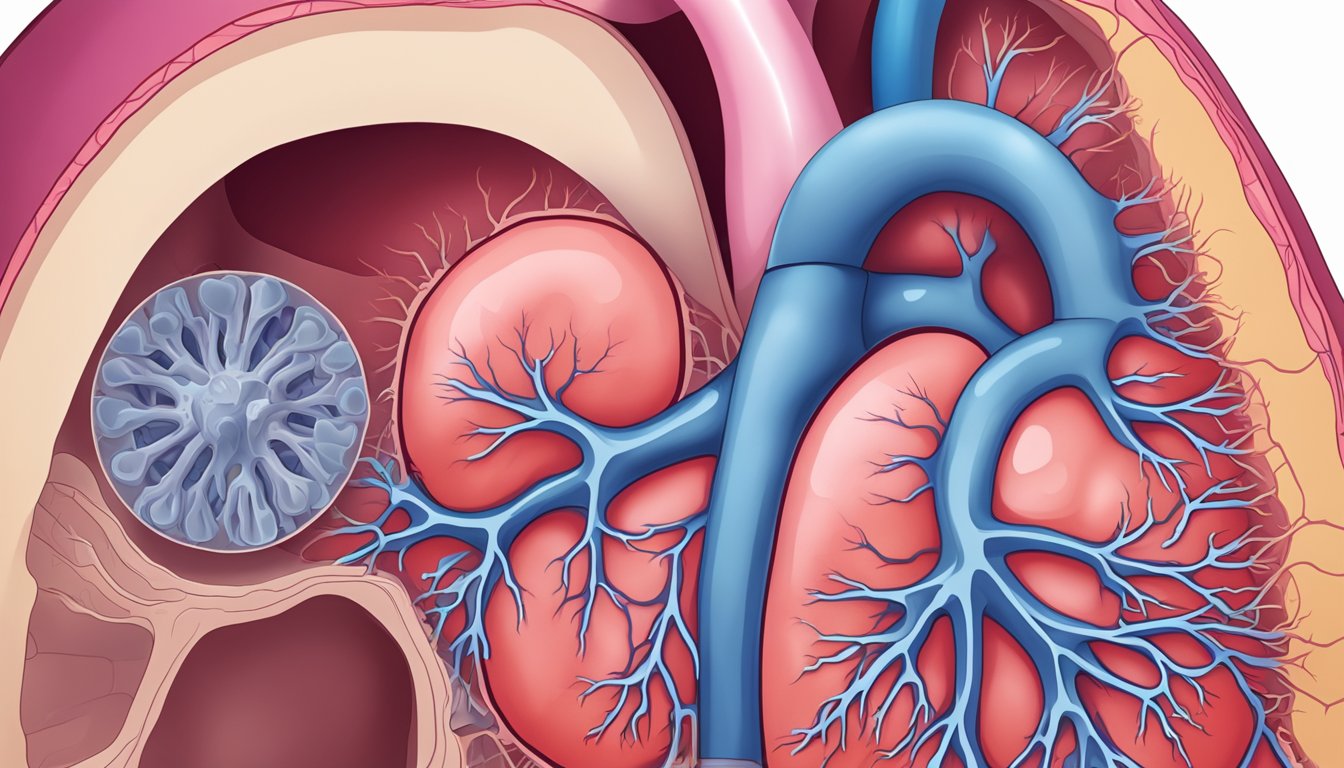
Heart valves play a crucial role in ensuring that blood flows through the heart in the right direction. However, when one or more of these valves are fused together, it can lead to complications and heart problems. In this section, we will explore the causes, symptoms and diagnosis of fused heart valves.
Congenital Causes and Bicuspid Aortic Valve
Fused heart valves can be caused by a congenital heart defect, which means that the condition is present at birth. One example of a congenital heart defect that can lead to a fused heart valve is a bicuspid aortic valve. Normally, the aortic valve has three leaflets, but in a bicuspid aortic valve, there are only two leaflets. Over time, these two leaflets can fuse together, leading to complications.
Symptoms of Aortic Valve Disease
Aortic valve disease can cause a variety of symptoms, including chest pain, shortness of breath, fatigue, and heart palpitations. In some cases, patients may also experience a heart murmur, which is an abnormal sound that is heard when listening to the heart with a stethoscope.
Diagnosis of Heart Valve Defects
Diagnosing a fused heart valve typically involves a physical examination, listening to the heart with a stethoscope, and performing an echocardiogram. In some cases, a transesophageal echocardiogram may be necessary to get a closer look at the heart valves.
It is important to note that treatment for a fused heart valve will depend on the severity of the condition and the symptoms that the patient is experiencing. In some cases, medication may be enough to manage symptoms, while in other cases, surgery may be necessary to repair or replace the affected valve.
It is important to consult with a qualified medical professional if you suspect that you may have a heart valve defect. This article is for informational purposes only and should not be used as a substitute for medical advice from a qualified healthcare provider.
Treatment Options for Aortic Valve Conditions
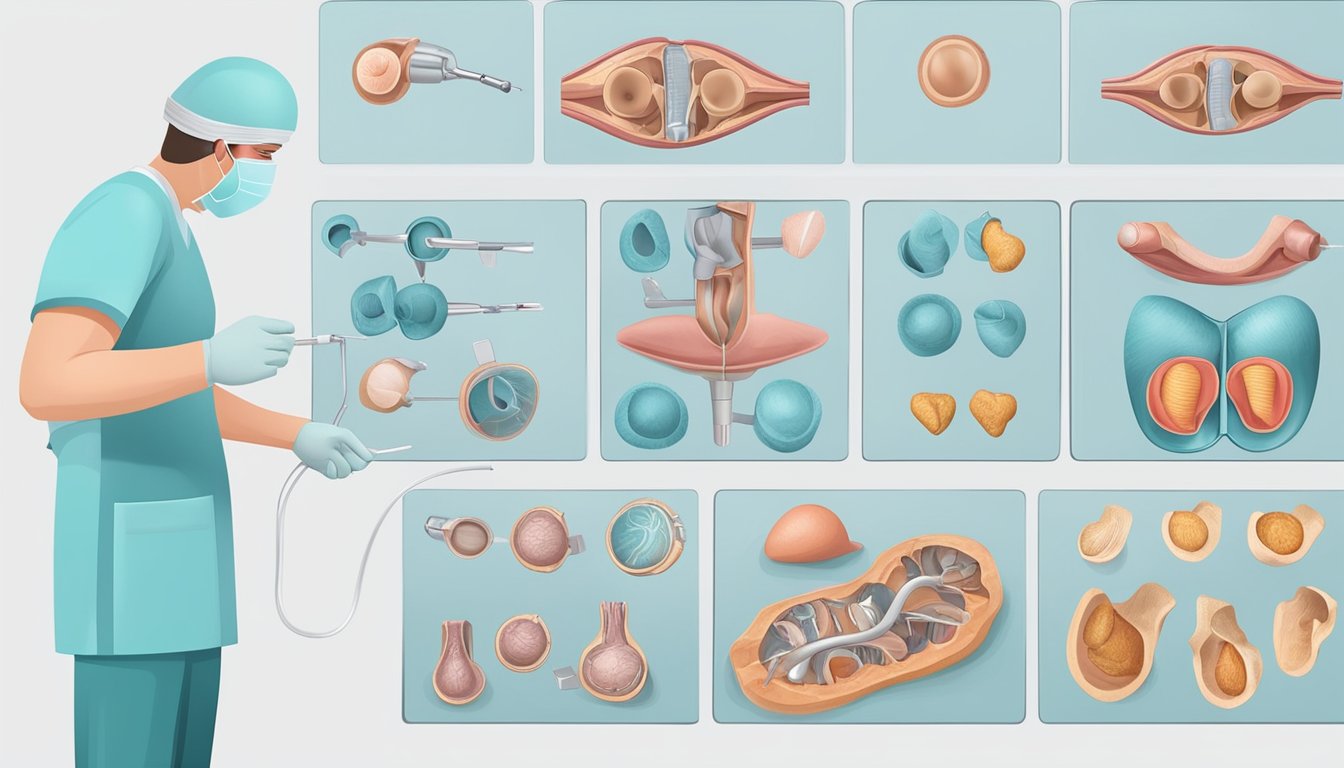
Aortic valve conditions can be treated using different approaches, depending on the severity of the condition and the patient’s overall health. This section will discuss the most common treatment options for aortic valve conditions, including aortic valve repair and replacement, minimally invasive procedures, and post-surgical care and medications.
Aortic Valve Repair and Replacement
Aortic valve repair and replacement are surgical procedures that involve repairing or replacing the aortic valve. In general, surgeons recommend valve repair when possible, as it lowers the risk of infection, saves the heart valve, and may improve heart function. However, in some cases, aortic valve replacement may be necessary.
Aortic valve replacement involves removing the damaged valve and replacing it with a new one. The new valve can be made of different materials, including tissue from a human or animal donor or a mechanical valve. Mechanical valves are more durable, but they require lifelong anticoagulant therapy to prevent blood clots.
Aortic valve repair is a more complex procedure that involves preserving the patient’s own valve. During the surgery, the surgeon may separate valve flaps that have fused, add support to the base of the valve, reshape or remove excess valve tissue so that the cusps can close tightly, or patch holes or tears in a valve.
Minimally Invasive Procedures
Minimally invasive heart surgery is a technique that allows surgeons to repair or replace heart valves using small incisions instead of a large chest incision. This approach reduces the risk of infection, blood loss, and scarring, and it typically results in a faster recovery time.
One minimally invasive procedure used to treat aortic valve stenosis is balloon valvuloplasty. This procedure involves inserting a catheter with a balloon at the end through a small incision in the groin and threading it up to the heart. The balloon is then inflated to widen the narrowed valve, improving blood flow.
Another minimally invasive procedure is transcatheter aortic valve replacement (TAVR). This procedure involves inserting a catheter with a new valve attached through a small incision in the groin and threading it up to the heart. The new valve is then expanded and secured in place, replacing the damaged valve.
Post-Surgical Care and Medications
After heart valve surgery, patients will need to stay in the hospital for several days to recover. During this time, they will receive medications to manage pain, prevent infection, and regulate their heart rate and blood pressure.
After discharge, patients will need to follow a strict regimen of medications and lifestyle changes to ensure a successful recovery. This may include taking blood-thinning medications, monitoring their blood pressure and heart rate, and participating in cardiac rehabilitation programs.
It is important to note that every patient’s case is unique, and treatment options may vary depending on individual circumstances. Patients should consult with their healthcare provider to determine the best course of treatment for their specific condition.
Potential Complications and Management
Risks of Heart Valve Surgery
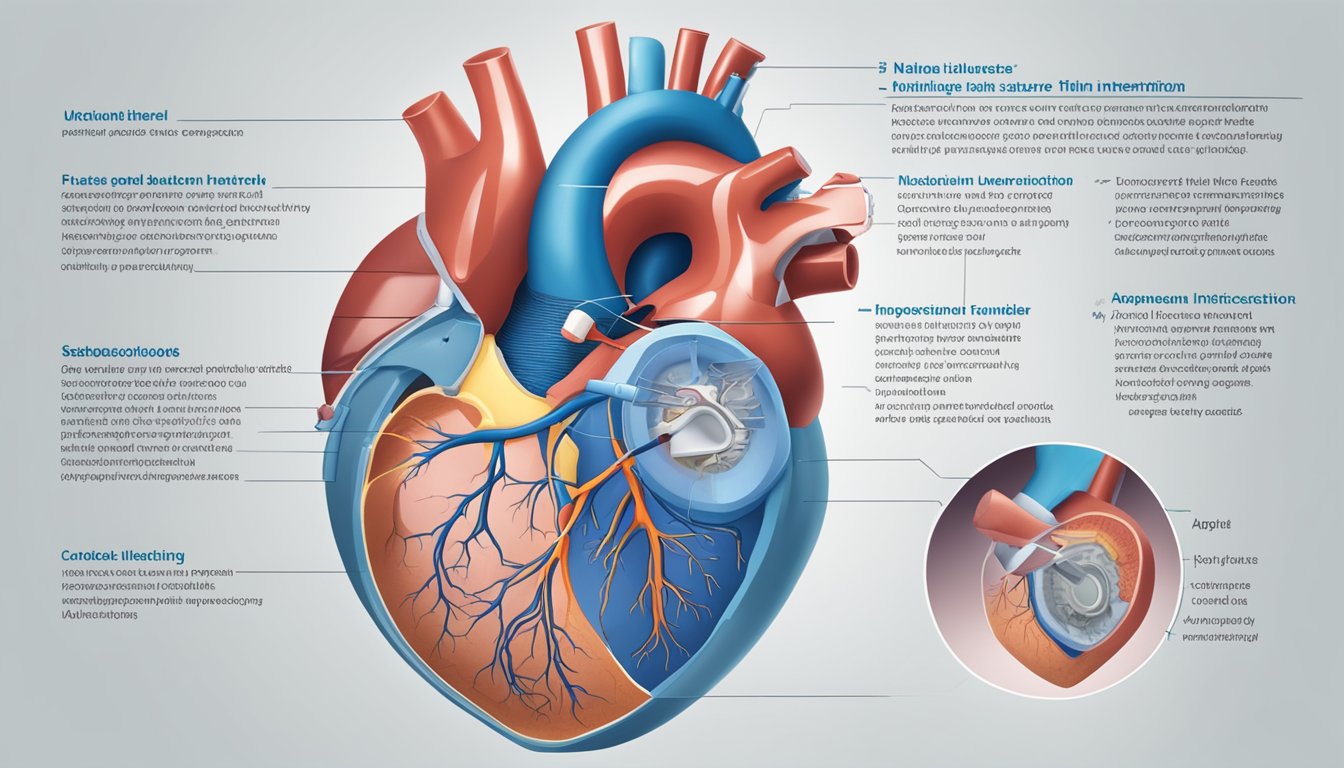
Surgery to repair or replace a fused heart valve carries some risks. These risks may include bleeding, infection, blood clots, and an adverse reaction to anesthesia. In addition, there is a risk of heart attack, stroke, or death. Patients who undergo heart valve surgery may also experience complications such as regurgitation, stenosis, heart failure, endocarditis, stroke, or arrhythmias.
The risks of heart valve surgery can be reduced by choosing a skilled surgeon and carefully following all pre- and post-operative instructions. Patients should also inform their doctor about any medications they are taking and any underlying medical conditions they may have.
Long-Term Outlook and Lifestyle Modifications
After heart valve surgery, patients will need to make certain lifestyle modifications to ensure a successful recovery. These may include not smoking, exercising regularly, and eating a healthy diet. Patients should also take any medications prescribed by their doctor as directed.
It is important for patients to attend all follow-up appointments with their doctor to monitor their progress and detect any potential complications early. Patients who experience symptoms such as chest pain, shortness of breath, or palpitations should seek medical attention immediately.
In conclusion, while heart valve surgery for a fused heart valve carries some risks, it can also be a life-saving procedure. Patients who carefully follow all pre- and post-operative instructions and make necessary lifestyle modifications can expect a positive long-term outlook. It is important to consult with a skilled surgeon and attend all follow-up appointments to ensure the best possible outcome.
Frequently Asked Questions
What are the common symptoms of a bicuspid aortic valve in children?
Bicuspid aortic valve is a congenital heart defect that affects the aortic valve, which regulates blood flow from the heart to the rest of the body. In children, symptoms of bicuspid aortic valve may include chest pain, shortness of breath, and fatigue. However, some children may not experience any symptoms at all.
How can one manage daily life with a bicuspid aortic valve?
Children and adults with bicuspid aortic valve can lead normal lives with proper management and care. Regular check-ups with a cardiologist are important to monitor the condition and any potential complications. Individuals with bicuspid aortic valve should also maintain a healthy lifestyle, including a balanced diet and regular exercise, as recommended by their healthcare provider.
What are the potential risks of physical activity for individuals with a bicuspid aortic valve?
While physical activity is generally recommended for individuals with bicuspid aortic valve, there may be some risks involved. Vigorous physical activity can increase the risk of aortic dissection, a serious condition in which the aorta tears or ruptures. It is important to discuss appropriate physical activity levels with a healthcare provider.
What is the likelihood of transmitting a bicuspid aortic valve genetically to offspring?
Bicuspid aortic valve can be inherited, but the exact genetic factors are not yet fully understood. If a parent has bicuspid aortic valve, there is a higher chance of their child also having the condition. However, the risk of inheritance is not absolute and can vary depending on the specific genetic factors involved.
What are the long-term health implications for adults with a bicuspid aortic valve?
Adults with bicuspid aortic valve are at an increased risk of developing aortic aneurysms, a condition in which the aorta becomes enlarged and weakened. If left untreated, aortic aneurysms can lead to aortic dissection or rupture, which can be life-threatening. Regular monitoring and appropriate treatment, if necessary, are important for managing long-term health implications.
What are the treatment options available for a damaged heart valve?
Treatment options for a damaged heart valve depend on the severity of the condition and the individual’s overall health. In some cases, medication may be prescribed to manage symptoms. In more severe cases, surgery may be necessary to repair or replace the damaged valve. It is important to discuss treatment options with a healthcare provider to determine the best course of action.
Note: The information provided in this section is intended for educational purposes only and should not be used as a substitute for professional medical advice, diagnosis, or treatment. Always seek the advice of a qualified healthcare provider with any questions you may have regarding a medical condition.