

The Journal of Nuclear Cardiology is a peer-reviewed journal that publishes original articles and discussions about the current and future role of nuclear cardiology and other imaging modalities. As the official publication of the American Society of Nuclear Cardiology, the journal covers all aspects of nuclear cardiology, including interpretation, diagnosis, imaging equipment, and use of radiopharmaceuticals. It is the only journal in the world devoted to this dynamic and growing subspecialty.
The Journal of Nuclear Cardiology has a significant influence in the field of nuclear cardiology and is highly regarded by nuclear cardiologists and other medical professionals. It is a hybrid journal that publishes original research and reviews on nuclear cardiology, covering topics such as artificial intelligence, PET imaging, and cardiac amyloidosis. The journal is a valuable resource for medical professionals seeking to stay up-to-date on the latest advancements in nuclear cardiology.
The editorial process and content quality of the Journal of Nuclear Cardiology are of the highest standards, ensuring that readers receive accurate and reliable information. The journal is dedicated to ethical and legal considerations and is committed to maintaining the highest level of integrity in all of its publications. With its focus on nuclear cardiology and other imaging modalities, the Journal of Nuclear Cardiology is an essential resource for medical professionals working in this field.
Key Takeaways
- The Journal of Nuclear Cardiology is a peer-reviewed journal that publishes original articles and discussions about the current and future role of nuclear cardiology and other imaging modalities.
- The journal is highly regarded by nuclear cardiologists and other medical professionals and is a valuable resource for staying up-to-date on the latest advancements in nuclear cardiology.
- The Journal of Nuclear Cardiology is dedicated to maintaining the highest level of integrity in all of its publications, making it a reliable source of information for medical professionals working in this field.
Scope and Influence of the Journal of Nuclear Cardiology

Journal Overview
The Journal of Nuclear Cardiology is a peer-reviewed medical journal that is published by Elsevier, on behalf of the American Society of Nuclear Cardiology (ASNC). The journal is the only one of its kind in the world, dedicated to the study of nuclear cardiology. It has been published since 1994, and its ISSN number is 1071-3581.
The Journal of Nuclear Cardiology publishes original research articles, case reports, and review articles, as well as timely discussions about the current and future role of nuclear cardiology and other imaging modalities. The journal is aimed at physicians and technologists who are interested in this dynamic and growing subspecialty.
Impact on Clinical Practice
The Journal of Nuclear Cardiology has had a significant impact on clinical practice in the field of nuclear cardiology. The journal has published numerous articles that have helped to advance the understanding of the use of nuclear imaging in the diagnosis and treatment of cardiovascular disease.
The journal has also played a key role in educating physicians and technologists about the latest advances in nuclear cardiology. The ASNC has developed a number of educational resources for its members, including online courses, webinars, and conferences, which are all based on the latest research published in the Journal of Nuclear Cardiology.
In conclusion, the Journal of Nuclear Cardiology is an important resource for physicians and technologists who are interested in the field of nuclear cardiology. Its peer-reviewed articles and timely discussions about the current and future role of nuclear cardiology have had a significant impact on clinical practice, and have helped to advance the understanding of the use of nuclear imaging in the diagnosis and treatment of cardiovascular disease.
Editorial Process and Content Quality

The Journal of Nuclear Cardiology is a peer-reviewed journal that publishes the highest quality scientific research on all aspects of clinical and experimental nuclear cardiology and related fields. The editorial team is committed to maintaining the highest standards of scientific rigor and quality in its publications.
Peer-Review System
The journal employs a rigorous peer-review system to ensure the quality of its articles. All submitted manuscripts undergo a thorough review process by experts in the relevant fields. The peer-review process is double-blinded, meaning that the identities of both the authors and reviewers are kept anonymous to ensure impartiality.
Editorial Standards
The journal’s editorial team, led by Editor-in-Chief Marcelo Di Carli, MD, PhD, MASNC, is committed to maintaining the highest standards of editorial quality. The team is composed of experts in the field of nuclear cardiology and related fields, who are dedicated to ensuring that all published articles are scientifically sound, accurate, and relevant to the field.
The journal’s editorial policies and standards are designed to ensure that all published articles are of the highest quality. The journal adheres to the guidelines set forth by the International Committee of Medical Journal Editors (ICMJE) and the Committee on Publication Ethics (COPE). The journal also follows the guidelines of the Consolidated Standards of Reporting Trials (CONSORT) for reporting clinical trials.
In conclusion, the Journal of Nuclear Cardiology is a peer-reviewed journal that maintains the highest standards of editorial quality. Its rigorous peer-review system and adherence to editorial standards ensure that all published articles are scientifically sound, accurate, and relevant to the field of nuclear cardiology.
Advancements in Nuclear Cardiology
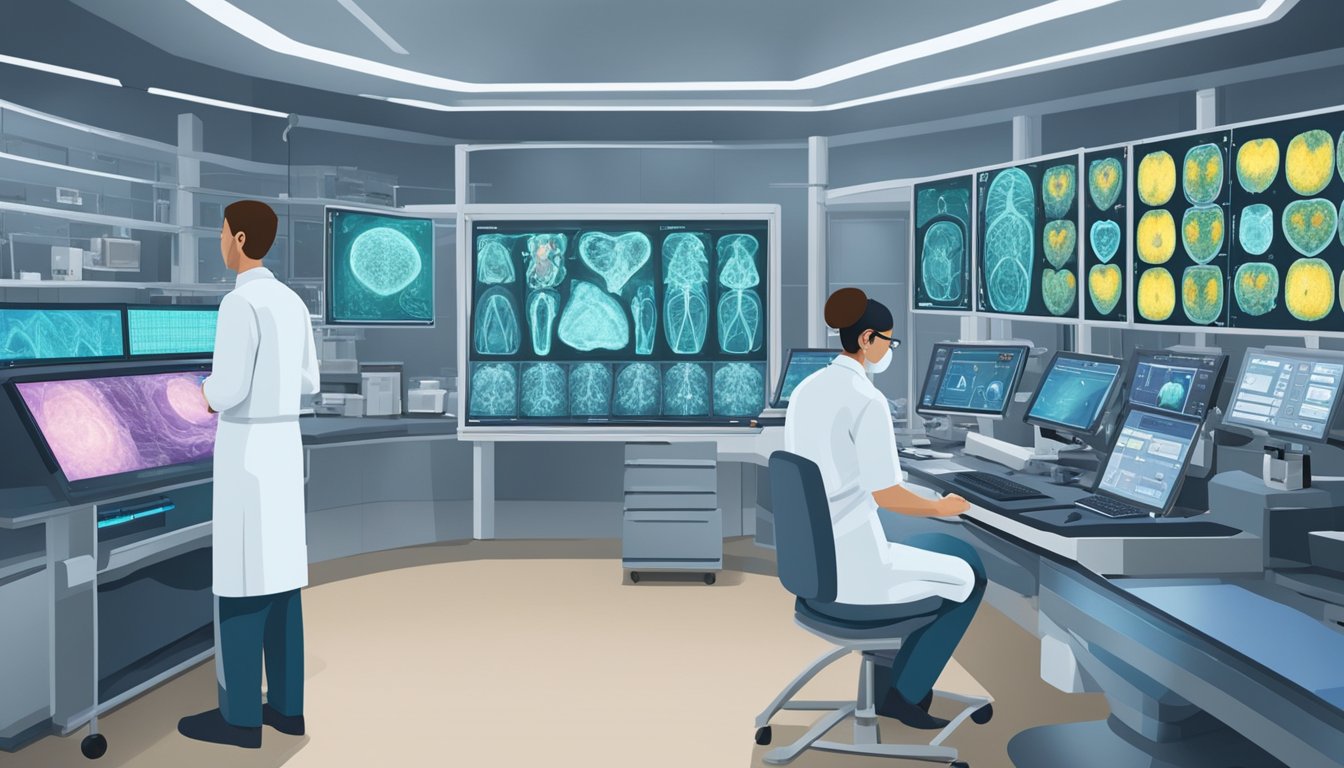
Nuclear Cardiology is a rapidly evolving field that has seen significant advancements in recent years. These advancements have led to improved diagnostic accuracy, expanded clinical applications, and enhanced patient outcomes. In this section, we will explore some of the key technological developments and data mining and AI applications in Nuclear Cardiology.
Technological Developments
Recent technological developments have revolutionized the field of Nuclear Cardiology. One of the most significant developments is the introduction of PET/CT scanners. These machines provide high-resolution images of the heart and surrounding tissues, allowing physicians to identify abnormalities with greater accuracy. Additionally, SPECT/CT scanners have also seen significant improvements, with enhanced image quality and reduced radiation exposure.
Another significant development in the field is the use of cardiac amyloidosis biomarkers. These biomarkers can help identify patients with cardiac amyloidosis, a condition that can be challenging to diagnose. By identifying this condition early, physicians can provide appropriate treatment and improve patient outcomes.
Data Mining and AI in Cardiology
The use of data mining and AI in cardiology has also seen significant growth in recent years. These technologies can help physicians identify patterns and trends in large datasets, allowing for more accurate diagnoses and treatment plans. Additionally, AI training can help physicians identify abnormalities in cardiac images, leading to improved diagnostic accuracy.
However, it is important to note that these technologies are not without limitations. Data mining and AI algorithms are only as accurate as the data they are trained on, and biases in the data can lead to inaccurate results. Additionally, it is essential to ensure that these technologies are used ethically and responsibly, with appropriate oversight and regulation.
In conclusion, the advancements in Nuclear Cardiology have led to significant improvements in diagnostic accuracy and patient outcomes. The introduction of new technologies, such as PET/CT scanners and cardiac amyloidosis biomarkers, has expanded the clinical applications of Nuclear Cardiology. Additionally, the use of data mining and AI in cardiology has the potential to improve diagnostic accuracy and treatment plans. However, it is essential to ensure that these technologies are used ethically and responsibly, with appropriate oversight and regulation.
Ethical and Legal Considerations

Copyright Policies
The Journal of Nuclear Cardiology is committed to respecting and protecting the intellectual property rights of authors and publishers. The journal follows strict copyright policies and guidelines to ensure that all published material is original and complies with the legal requirements of copyright law. Authors are required to sign a copyright transfer agreement, which grants the journal the right to publish and distribute their work. The journal also encourages authors to cite the sources of their work and to obtain permission for any copyrighted material used in their articles.
Compliance with Clinical Guidelines
The field of nuclear cardiology is constantly evolving, with new subspecialty areas emerging and new diagnostic and therapeutic techniques being developed. Physicians and technologists involved in nuclear cardiology must stay up-to-date with the latest clinical guidelines and best practices to ensure that they provide the highest quality care to their patients. The Journal of Nuclear Cardiology is committed to promoting compliance with clinical guidelines and best practices in the field. The journal publishes articles that provide guidance on the appropriate use of nuclear cardiology techniques, as well as articles that discuss the ethical and legal considerations involved in the practice of nuclear cardiology.
It is important to note that the information provided in this section is for general informational purposes only and is not intended to be a substitute for professional medical advice, diagnosis, or treatment. Always seek the advice of a qualified healthcare provider with any questions you may have regarding a medical condition.
Getting assessed in Singapore
In Singapore, cardiology is provided in both the public and private sectors. Public heart services are concentrated at the National Heart Centre Singapore and the cardiology departments of the restructured hospitals, while private cardiologists practise from medical centres attached to private hospitals. A GP or polyclinic can arrange a referral, or a private clinic can be contacted directly.
If this is relevant to your own situation, you can read what is involved in consultation and assessment of suspected heart conditions or a cardiac screening assessment, or browse the cardiac services list.
Frequently Asked Questions

What are the submission guidelines for the Journal of Nuclear Cardiology?
The Journal of Nuclear Cardiology accepts original research articles, clinical observations, and reviews related to nuclear cardiology. The articles must be submitted solely to the Journal of Nuclear Cardiology and are subject to editorial revision. The submission guidelines and instructions for authors can be found on the Journal’s official website.
Who comprises the editorial board of the Journal of Nuclear Cardiology?
The Journal of Nuclear Cardiology has a distinguished editorial board comprising of experts in the field of nuclear cardiology. The board members are appointed based on their knowledge, experience, and contributions to the field. The current editorial board members can be found on the Journal’s official website.
How does the Journal of Nuclear Cardiology differ from traditional cardiology journals?
The Journal of Nuclear Cardiology is a peer-reviewed journal that focuses specifically on the use of nuclear imaging techniques in the diagnosis and treatment of cardiovascular diseases. While traditional cardiology journals may cover a broader range of topics related to cardiology, the Journal of Nuclear Cardiology provides a more in-depth analysis of the role of nuclear imaging in cardiology.
What is the abbreviation utilised for the Journal of Nuclear Cardiology?
The abbreviation used for the Journal of Nuclear Cardiology is JNC.
Are there any safety concerns associated with nuclear cardiology practices?
Nuclear cardiology practices involve the use of small amounts of radioactive materials. Although the risk of radiation exposure is low, it is important to follow safety guidelines and regulations to minimize any potential risks. The Journal of Nuclear Cardiology publishes articles related to safety concerns and guidelines for nuclear cardiology practices.
What are the distinctions between the Journal of Nuclear Cardiology and the Journal of Nuclear Medicine?
The Journal of Nuclear Cardiology focuses specifically on the use of nuclear imaging techniques in the diagnosis and treatment of cardiovascular diseases. In contrast, the Journal of Nuclear Medicine covers a broader range of topics related to nuclear medicine, including oncology, neurology, and cardiology. While there may be some overlap in content between the two journals, the Journal of Nuclear Cardiology provides a more specialized focus on the use of nuclear imaging in cardiology.
Further reading
- National Heart Centre Singapore — Conditions & Treatments
- SingHealth — Conditions & Treatments
- HealthHub — Cardiovascular Disease
Disclaimer: This article is general information about cardiovascular health. It is not medical advice, diagnosis or treatment, and reading it does not create a doctor–patient relationship. Always seek the advice of your doctor or another qualified health professional with any questions you have about a medical condition, and never disregard or delay seeking medical advice because of something you have read here. If you think you may be having a medical emergency, call 995 or go to the nearest emergency department.