

Heart attacks are a serious medical emergency that require immediate attention. While chest pain is the most common symptom of a heart attack, it is not always present. In fact, some people experience heart attack symptoms without chest pain, which can make it difficult to recognize the signs of a heart attack and seek help in a timely manner.
Recognising atypical heart attack symptoms is crucial for early detection and treatment. Some common symptoms of a heart attack without chest pain include shortness of breath, nausea or vomiting, lightheadedness or dizziness, and pain in the jaw, neck, arms, or back. These symptoms can be mild or severe and may come and go over a period of hours, days, or even weeks. It is important to note that women are more likely than men to experience atypical heart attack symptoms, and they may also have chest pain that is less severe or not present at all.
If you suspect that you or someone you know is having a heart attack, it is important to call for emergency medical assistance immediately. Delaying treatment can lead to serious complications or even death. Treatment for a heart attack typically involves medications, such as aspirin and nitroglycerin, to relieve symptoms and prevent further damage to the heart. In some cases, surgery may be necessary to restore blood flow to the heart.
Key Takeaways
- Chest pain is not always present during a heart attack, and atypical symptoms can be mild or severe.
- Women are more likely than men to experience atypical heart attack symptoms.
- Early recognition and treatment of a heart attack is crucial for a positive outcome.
Recognising Atypical Heart Attack Symptoms
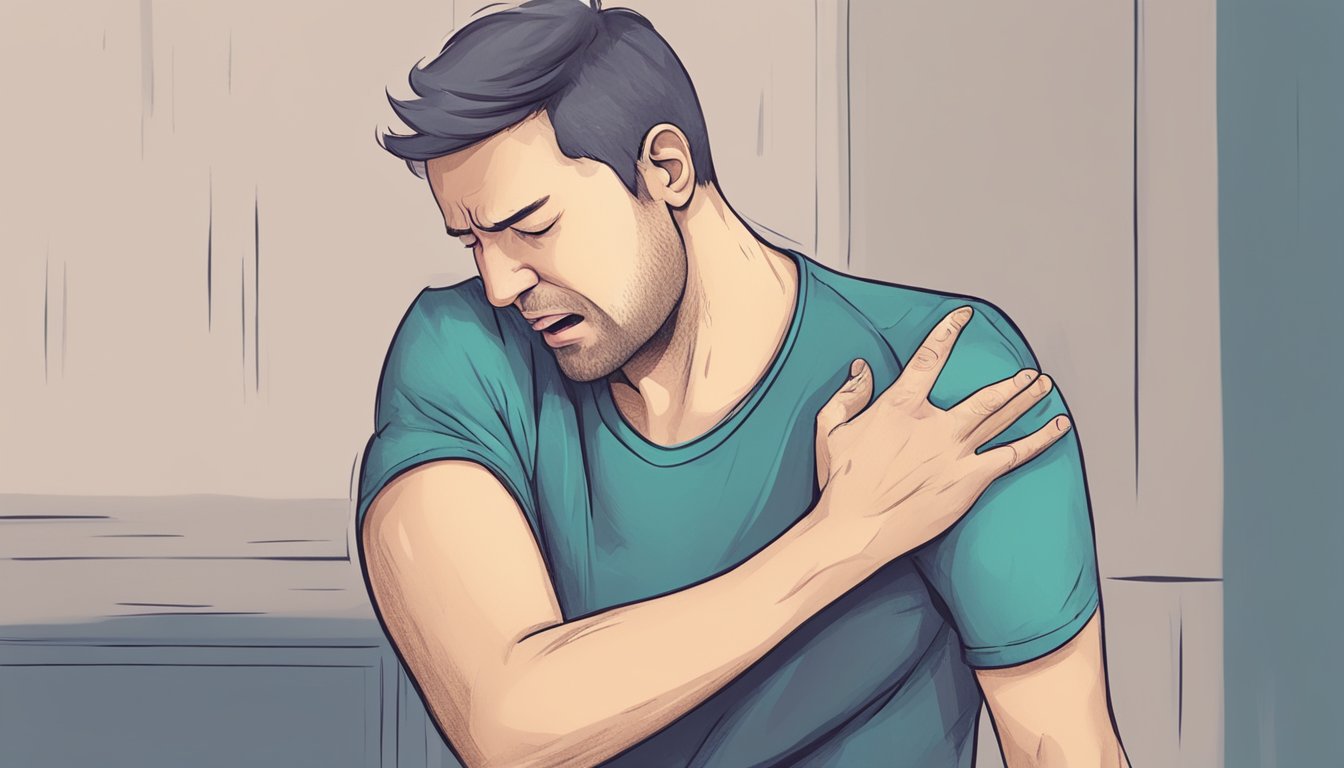
While chest pain is often the most common symptom of a heart attack, it is not always present. In some cases, heart attacks can occur without chest pain, making it difficult to recognise the symptoms and seek medical attention. Here are some atypical symptoms that can indicate a heart attack:
Shortness of Breath
Shortness of breath is a common symptom of a heart attack, especially in women. This can occur with or without chest pain and may be accompanied by other symptoms such as sweating, nausea, and fatigue. If you experience sudden shortness of breath, it is important to seek medical attention immediately.
Nausea and Vomiting
Nausea and vomiting can also be a sign of a heart attack, particularly in women. These symptoms may occur with or without chest pain and can be mistaken for other conditions such as indigestion or the flu. If you experience nausea or vomiting along with other heart attack symptoms, seek medical attention right away.
Jaw or Back Pain
Jaw or back pain can be an atypical symptom of a heart attack, particularly in men. This pain may occur with or without chest pain and can be mistaken for other conditions such as toothache or muscle strain. If you experience sudden jaw or back pain along with other heart attack symptoms, seek medical attention immediately.
It is important to note that these atypical symptoms can occur in combination with chest pain or on their own. If you experience any of these symptoms, it is important to seek medical attention right away. It is also important to note that not all heart attacks present with the same symptoms, and some people may not experience any symptoms at all. If you have any concerns about your heart health, speak to your doctor for advice and guidance.
Risk Factors and Prevention
Understanding Risk Factors
A heart attack can happen to anyone, but certain factors can increase the risk of experiencing one. Some of the most common risk factors include:
- Age: The risk of heart attack increases as people get older, especially after the age of 45 for men and 55 for women.
- High blood pressure: High blood pressure can damage the arteries that lead to the heart and increase the risk of a heart attack.
- Cholesterol: High levels of LDL cholesterol, also known as “bad” cholesterol, can cause plaque buildup in the arteries and increase the risk of a heart attack.
- Diabetes: People with diabetes are at higher risk of developing heart disease, which can lead to a heart attack.
- Smoking: Smoking damages the blood vessels and can increase the risk of a heart attack.
- Obesity: Being overweight or obese can increase the risk of developing heart disease and having a heart attack.
- Family history: People with a family history of heart disease are more likely to develop it themselves.
Lifestyle Changes and Prevention
Making certain lifestyle changes can help reduce the risk of a heart attack. Some of the most effective ways to prevent a heart attack include:
- Quitting smoking: Quitting smoking can reduce the risk of a heart attack, as well as other health problems.
- Eating a healthy diet: Eating a diet that is low in saturated and trans fats, cholesterol, and salt can help reduce the risk of heart disease and a heart attack.
- Exercising regularly: Regular exercise can help maintain a healthy weight, lower blood pressure, and reduce the risk of heart disease and a heart attack.
- Managing stress: Stress can contribute to high blood pressure and other risk factors for heart disease, so it’s important to manage stress through techniques such as meditation, yoga, or therapy.
- Maintaining a healthy weight: Being overweight or obese can increase the risk of heart disease and a heart attack, so it’s important to maintain a healthy weight through a combination of diet and exercise.
- Taking medication as prescribed: If you have high blood pressure, high cholesterol, or other risk factors for heart disease, it’s important to take medication as prescribed by your doctor to help reduce the risk of a heart attack.
It’s important to note that while making these lifestyle changes can help reduce the risk of a heart attack, they may not completely eliminate the risk. It’s also important to speak with a doctor about any concerns or questions regarding heart health.
Emergency Response and Treatment
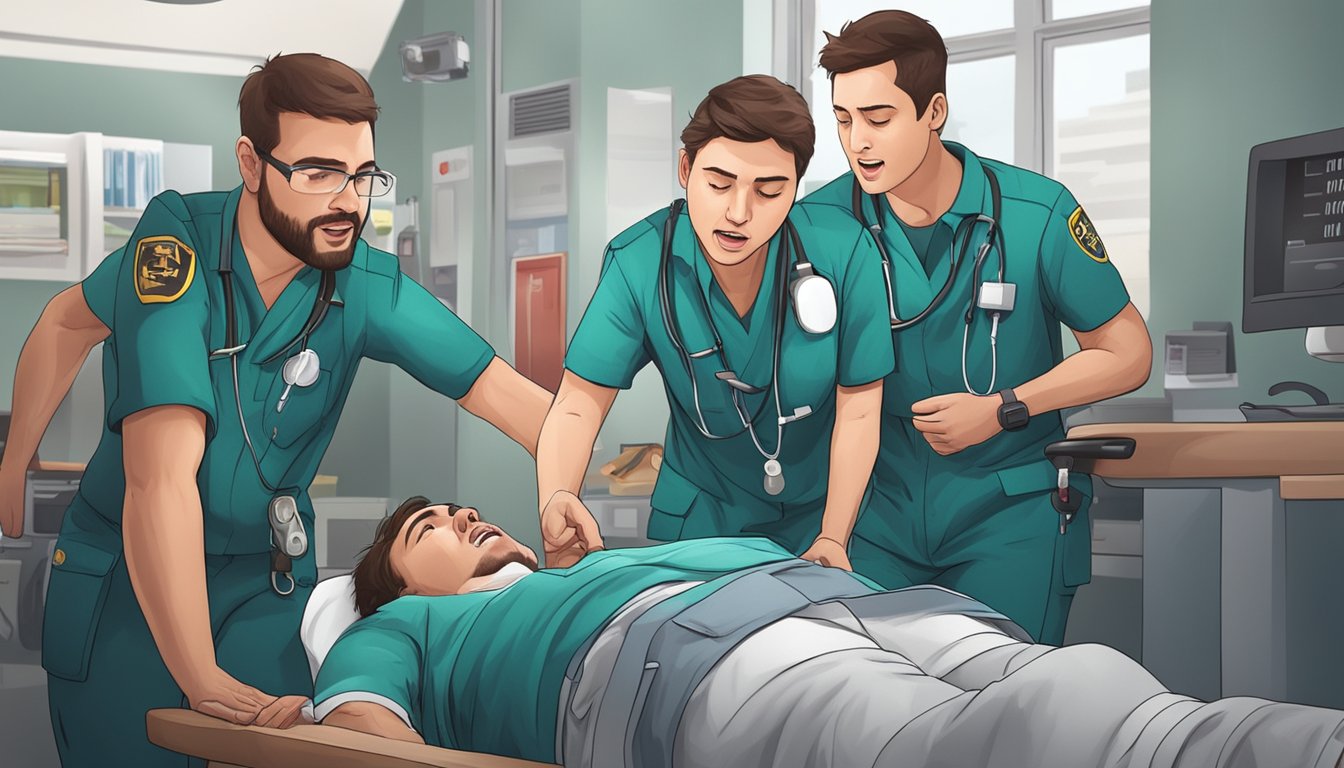
When to Call Emergency Services
If an individual experiences symptoms of a heart attack without chest pain, it is essential to call emergency services immediately. The emergency number in the UK is 999. The person should not try to drive themselves to the hospital or wait for a friend or family member to drive them. Emergency medical services can provide the necessary treatment and transport to the hospital quickly.
Immediate Actions and Medications
While waiting for emergency medical services to arrive, the individual should sit or lie down and try to remain calm. They should chew and swallow an aspirin tablet, which can help to thin the blood and reduce the risk of further clotting. If the individual is not allergic to aspirin, they should take a 300mg tablet.
If the individual is having difficulty breathing, emergency medical services may provide oxygen therapy to ensure that the person has enough oxygen in their bloodstream.
Hospital Treatment and Procedures
Upon arrival at the hospital, the individual will undergo a series of tests to determine the extent of the heart attack and the appropriate treatment. The medical team may administer medication to dissolve the blood clot that caused the heart attack or insert a stent to open up the blocked artery.
It is essential to note that the treatment and procedures for a heart attack without chest pain may differ from those for a heart attack with chest pain. Therefore, it is crucial to seek medical attention immediately, even if the symptoms do not include chest pain.
It is important to remember that the information provided in this article is for educational purposes only and should not be used as a substitute for professional medical advice, diagnosis, or treatment. If you have any concerns or questions about your health, you should always consult a qualified healthcare professional.
Aftercare and Monitoring

Post-Heart Attack Rehabilitation
After a heart attack, it is essential to undergo post-heart attack rehabilitation. This rehabilitation process is designed to help patients recover and regain their strength. A cardiologist or a qualified healthcare professional will prescribe an exercise program tailored to the patient’s needs. The exercise program may include aerobic exercises, such as brisk walking or cycling, and resistance exercises, such as weightlifting. The patient will also be advised to make lifestyle changes, such as quitting smoking, eating a heart-healthy diet, and managing stress.
Ongoing Health Monitoring
After a heart attack, it is important to monitor the patient’s health regularly. The monitoring process may involve regular visits to a cardiologist or a qualified healthcare professional. The patient may also be prescribed medication to manage their condition. The medication may include blood thinners, cholesterol-lowering drugs, and beta-blockers. The patient will also be advised to monitor their blood pressure and blood sugar levels regularly.
In some cases, the patient may require a coronary artery bypass graft (CABG) surgery. This surgery involves creating a new route for blood to flow around the blocked or narrowed artery. After the surgery, the patient will need to follow a strict exercise and diet plan to promote healing and reduce the risk of complications.
It is important to note that recovery times can vary from person to person. Patients should follow their healthcare professional’s advice and attend regular check-ups to monitor their progress. They should also report any symptoms or concerns to their healthcare professional immediately.
In conclusion, aftercare and monitoring are crucial aspects of heart attack recovery. Patients should follow their healthcare professional’s advice and make the necessary lifestyle changes to promote healing and reduce the risk of complications. With proper care and monitoring, patients can recover from a heart attack and lead a healthy life.
Getting assessed in Singapore
If symptoms are severe or come on suddenly in Singapore, emergency care is the right route rather than an outpatient appointment: call 995 or go to the nearest emergency department. For symptoms that are recurrent but not acute, a GP or polyclinic can arrange a cardiology referral, or a private clinic can be contacted directly.
If you want to know how this is assessed in practice, see what a cardiology consultation involves or coronary angiography, angioplasty and stenting, or review the preventive cardiology programme.
Frequently Asked Questions

What are the alternative symptoms of a myocardial infarction aside from chest discomfort?
Apart from chest discomfort, myocardial infarction can also present with symptoms such as shortness of breath, fatigue, sweating, nausea, lightheadedness, pain in the neck, back, shoulder or jaw, and heart palpitations. These symptoms can occur in both men and women, but women are more likely to experience non-chest pain symptoms.
What signs might suggest the occurrence of a silent myocardial infarction?
Silent myocardial infarction occurs when there is a blockage in one of the coronary arteries, but the patient does not experience any symptoms. Some signs that suggest the occurrence of a silent myocardial infarction include abnormal changes in the electrocardiogram (ECG), elevated cardiac biomarkers, and imaging tests such as echocardiography and cardiac magnetic resonance imaging (MRI).
How can one discern the presence of cardiac distress in the absence of pain?
In the absence of chest pain, one can discern the presence of cardiac distress by paying attention to other symptoms such as shortness of breath, sweating, nausea, lightheadedness, and pain in the neck, back, shoulder or jaw. One should seek medical attention if they experience any of these symptoms.
What measures should one take to exclude the possibility of a myocardial infarction without medical assistance?
It is not recommended to exclude the possibility of a myocardial infarction without medical assistance. If one experiences any symptoms of a heart attack, they should seek medical attention immediately. Delaying medical attention can lead to serious complications or death.
What are the non-pain indicators of a potential myocardial infarction in women?
Women are more likely to experience non-chest pain symptoms of myocardial infarction such as shortness of breath, fatigue, sweating, nausea, lightheadedness, pain in the neck, back, shoulder or jaw, and heart palpitations. These symptoms can occur with or without chest pain.
How does one identify a myocardial infarction when typical chest pain is not present?
When typical chest pain is not present, one can identify a myocardial infarction by paying attention to other symptoms such as shortness of breath, fatigue, sweating, nausea, lightheadedness, pain in the neck, back, shoulder or jaw, and heart palpitations. One should seek medical attention immediately if they experience any of these symptoms.
Further reading
- HealthHub — Chest Pain
- HealthHub — Cardiovascular Disease
- National Heart Centre Singapore — Conditions & Treatments
Disclaimer: This article is general information about cardiovascular health. It is not medical advice, diagnosis or treatment, and reading it does not create a doctor–patient relationship. Always seek the advice of your doctor or another qualified health professional with any questions you have about a medical condition, and never disregard or delay seeking medical advice because of something you have read here. If you think you may be having a medical emergency, call 995 or go to the nearest emergency department.