

Heart disease is a term used to describe a range of conditions that affect the heart, including coronary artery disease, heart failure, and arrhythmias. It is a leading cause of death worldwide, with an estimated 17.9 million deaths each year. Understanding heart disease is essential to prevent its onset, manage its symptoms, and reduce the risk of complications.
Coronary artery disease is the most common type of heart disease. It occurs when the arteries that supply blood to the heart become narrowed or blocked, reducing blood flow to the heart muscle. This can cause chest pain, shortness of breath, and even a heart attack. Cardiovascular disease is a broader term that encompasses all conditions that affect the heart and blood vessels, including coronary artery disease, heart failure, and arrhythmias.
Prevention and management of heart disease involve making lifestyle changes such as quitting smoking, eating a healthy diet, and exercising regularly. Treatment options depend on the type and severity of the condition and may include medications, surgery, or other procedures. Recovery from heart disease may involve rehabilitation and ongoing management to prevent complications and improve quality of life.
Key Takeaways
- Heart disease is a term used to describe a range of conditions that affect the heart and is a leading cause of death worldwide.
- Coronary artery disease is the most common type of heart disease and can cause chest pain, shortness of breath, and heart attacks.
- Prevention and management of heart disease involve making lifestyle changes, treatment options depend on the type and severity of the condition, and recovery may involve rehabilitation and ongoing management.
Understanding Heart Disease
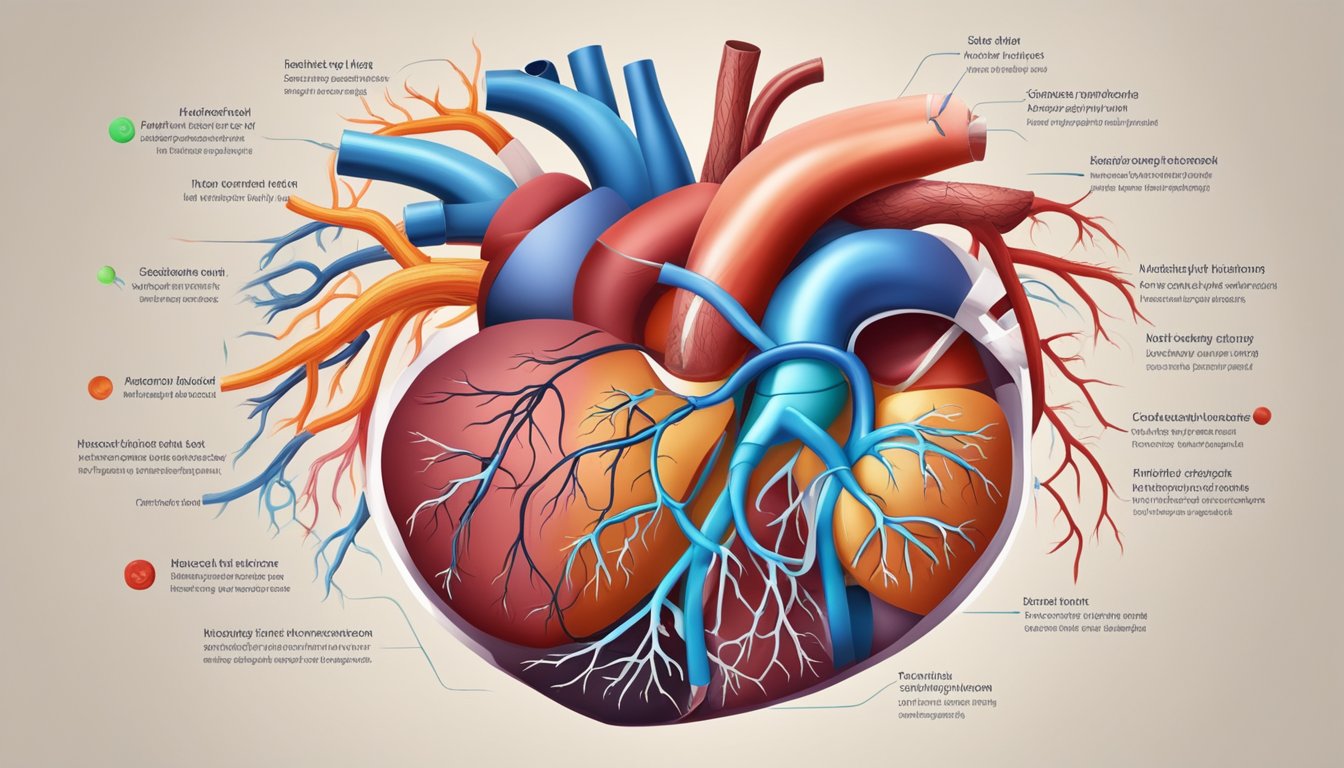
Heart disease is a term used to describe a range of conditions that affect the heart and blood vessels. It is a broad term that includes various conditions such as coronary artery disease, heart valve disease, arrhythmias, and cardiomyopathy. In this section, we will discuss the types and causes of heart disease, as well as the symptoms and diagnosis.
Types and Causes
There are several types of heart disease, each with its own set of causes. Coronary artery disease (CAD) is the most common type of heart disease and is caused by a buildup of plaque in the arteries that supply blood to the heart. This buildup can lead to reduced blood flow to the heart, which can cause chest pain, shortness of breath, and even heart attack.
Other types of heart disease include heart valve disease, which occurs when the valves in the heart do not function properly, leading to problems with blood flow. Arrhythmias are another type of heart disease that occurs when the heart beats too fast, too slow, or irregularly. Cardiomyopathy is a condition where the heart muscle becomes weakened, leading to heart failure.
Several factors can contribute to the development of heart disease. These include high blood pressure, high cholesterol levels, smoking, diabetes, obesity, family history of heart disease, and stress. Age and gender can also play a role, with men being more likely to develop heart disease at a younger age than women.
Symptoms and Diagnosis
The symptoms of heart disease can vary depending on the type and severity of the condition. Common symptoms include chest pain, shortness of breath, fatigue, weakness, and fainting. Other symptoms may include nausea, vomiting, indigestion, and sweating. Women may also experience different symptoms, such as menopause-related symptoms.
Diagnosis of heart disease typically involves a medical history and physical examination, as well as tests such as an electrocardiogram (ECG), echocardiogram, and stress test. Blood tests may also be used to check cholesterol levels and blood glucose levels.
In conclusion, heart disease is a complex condition that can have serious consequences if left untreated. Understanding the types and causes of heart disease, as well as the symptoms and diagnosis, can help individuals take steps to reduce their risk of developing heart disease. It is important to seek medical attention if any symptoms of heart disease are experienced.
Prevention and Management

Lifestyle Modifications
Preventing and managing heart disease requires a multifaceted approach, including lifestyle modifications. These modifications include maintaining a heart-healthy diet, regular physical activity, avoiding smoking, limiting alcohol consumption, and managing stress through relaxation techniques.
A heart-healthy diet should be rich in fruits, vegetables, whole grains, and lean proteins, while being low in saturated fats and sodium. Regular physical activity can help to maintain a healthy weight, lower blood pressure, and reduce the risk of developing heart disease. Quitting smoking and limiting alcohol consumption can also help to reduce the risk of heart disease.
Managing stress through relaxation techniques such as meditation, deep breathing, and yoga can also help to reduce the risk of heart disease.
Medical Interventions
In some cases, lifestyle modifications may not be enough to prevent or manage heart disease. In these cases, medical interventions may be necessary.
Medications such as beta-blockers and other medications may be prescribed to help manage heart disease. In some cases, surgery may be necessary to treat heart disease. Procedures such as angioplasty or coronary artery bypass surgery may be performed to treat heart disease.
It is important to note that medical interventions should be used in conjunction with lifestyle modifications to prevent and manage heart disease.
It is also important to monitor and control blood pressure, cholesterol, and diabetes to prevent and manage heart disease. Swelling, dizziness, and discomfort are common symptoms of heart disease and should be reported to a healthcare professional. Blood clots, bradycardia, stenosis, and inflammation are also common complications of heart disease.
In conclusion, preventing and managing heart disease requires a multifaceted approach that includes lifestyle modifications and medical interventions. It is important to maintain a heart-healthy diet, engage in regular physical activity, avoid smoking and limit alcohol consumption, manage stress through relaxation techniques, and monitor and control blood pressure, cholesterol, and diabetes. If lifestyle modifications are not enough, medical interventions such as medications and surgery may be necessary. It is important to report any symptoms of heart disease to a healthcare professional and to work with them to develop an individualized treatment plan.
Treatment and Recovery

Surgical Procedures
In cases where medication and lifestyle changes are not enough to manage heart disease, surgical procedures may be necessary. The most common surgical procedures for heart disease include angioplasty and coronary artery bypass surgery.
Angioplasty is a minimally invasive procedure that involves inserting a catheter with a balloon at the end into the blocked artery. The balloon is then inflated to widen the artery and improve blood flow. In some cases, a stent may also be inserted to keep the artery open.
Coronary artery bypass surgery involves creating a new path for blood to flow around the blocked artery. This is done by taking a blood vessel from another part of the body and attaching it to the heart. This procedure is more invasive than angioplasty and requires a longer recovery time.
Postoperative Care
After any surgical procedure for heart disease, it is important to follow a strict postoperative care plan. This may include taking medication, making lifestyle changes, and attending regular follow-up appointments with a healthcare professional.
Medications may be prescribed to manage pain, prevent blood clots, and lower blood pressure. It is important to take these medications as directed and report any side effects to a healthcare professional.
Lifestyle changes may include following a heart-healthy diet, getting regular exercise, quitting smoking, and managing stress. These changes can help improve overall heart health and reduce the risk of future heart problems.
Regular follow-up appointments with a healthcare professional are important to monitor recovery and ensure that any issues are addressed promptly. It is important to attend these appointments and report any new symptoms or concerns.
Disclaimer: The information provided is for educational purposes only and should not be used as a substitute for professional medical advice, diagnosis, or treatment. Always consult a healthcare professional for any questions or concerns about your health.
Frequently Asked Questions
What are the primary causes of heart disease?
Heart disease can be caused by a variety of factors, including high blood pressure, high cholesterol, smoking, obesity, and a sedentary lifestyle. Other factors that can contribute to heart disease include a family history of heart disease, age, and gender.
What are the various types of heart disease?
There are several types of heart disease, including coronary artery disease, heart failure, arrhythmias, and heart valve disease. Each type of heart disease affects the heart in a different way and can have different symptoms and treatments.
What symptoms may indicate the presence of heart disease?
Symptoms of heart disease can vary depending on the type of heart disease a person has. Common symptoms of heart disease include chest pain or discomfort, shortness of breath, fatigue, dizziness, and heart palpitations. However, some people with heart disease may not experience any symptoms at all.
Which factors increase the risk of developing heart disease?
Several factors can increase a person’s risk of developing heart disease, including high blood pressure, high cholesterol, smoking, obesity, a sedentary lifestyle, a family history of heart disease, age, and gender. Additionally, people with diabetes or a history of heart disease are at an increased risk of developing heart disease.
How is heart disease typically treated?
The treatment for heart disease depends on the type and severity of the disease. Treatment options may include lifestyle changes, medications, medical procedures, or surgery. In some cases, a combination of treatments may be necessary to manage heart disease effectively.
Can one lead a normal life after being diagnosed with heart disease?
With proper treatment and management, many people with heart disease can lead normal, healthy lives. However, it is important to follow the treatment plan prescribed by a healthcare professional and make any necessary lifestyle changes to manage the disease effectively. It is also important to attend regular check-ups with a healthcare professional to monitor the progress of the disease and adjust treatment as necessary.