

Heart rate is a crucial indicator of health and physical fitness. It is the number of times the heart beats per minute, and it can vary depending on several factors such as age, gender, weight, and physical activity level. Understanding heart rate is essential in promoting health and safety in educational settings, especially during physical activities.
Heart rate lessons are designed to teach students about the importance of heart rate and how it can be measured and monitored. These lessons aim to provide students with the knowledge and skills they need to take control of their health and fitness. Factors influencing heart rate, such as exercise intensity and duration, are also discussed in these lessons. By learning about heart rate, students can make informed decisions about their physical activity levels and take steps to improve their overall health and well-being.
Key Takeaways:
- Heart rate is a crucial indicator of health and physical fitness.
- Heart rate lessons aim to teach students about the importance of heart rate and how it can be measured and monitored.
- By learning about heart rate, students can make informed decisions about their physical activity levels and take steps to improve their overall health and well-being.
Understanding Heart Rate
Physiology of the Heart
The heart is a muscular organ that pumps blood throughout the body. It is located in the chest, between the lungs. The heart is divided into four chambers: the right atrium, the right ventricle, the left atrium, and the left ventricle. The right atrium receives deoxygenated blood from the body, and the left atrium receives oxygenated blood from the lungs. The ventricles pump blood out of the heart to the rest of the body.
The heart muscle, also known as the myocardium, needs a constant supply of oxygen to function properly. The coronary arteries supply oxygen-rich blood to the heart muscle. The blood is then pumped out of the heart through the aorta, the largest artery in the body. The aorta branches into smaller arteries, which carry the blood to the rest of the body.
Measuring Heart Rate
Heart rate is the number of times the heart beats per minute. It is an important indicator of overall health and fitness. The pulse is the rhythmic expansion and contraction of the arteries that can be felt at various points on the body, such as the wrist or neck. Measuring the pulse is a simple way to determine heart rate.
To measure heart rate, place two fingers on the wrist or neck and count the number of beats in 15 seconds. Multiply this number by four to get the heart rate per minute. Alternatively, use a heart rate monitor, which can provide a continuous reading of heart rate.
It is important to note that heart rate can be affected by various factors, such as exercise, stress, and medication. It is recommended to consult a healthcare professional before starting a new exercise routine or making any significant changes to lifestyle.
Disclaimer: The information provided is for educational purposes only and is not intended as medical advice. Always consult a healthcare professional for any medical concerns.
Factors Influencing Heart Rate
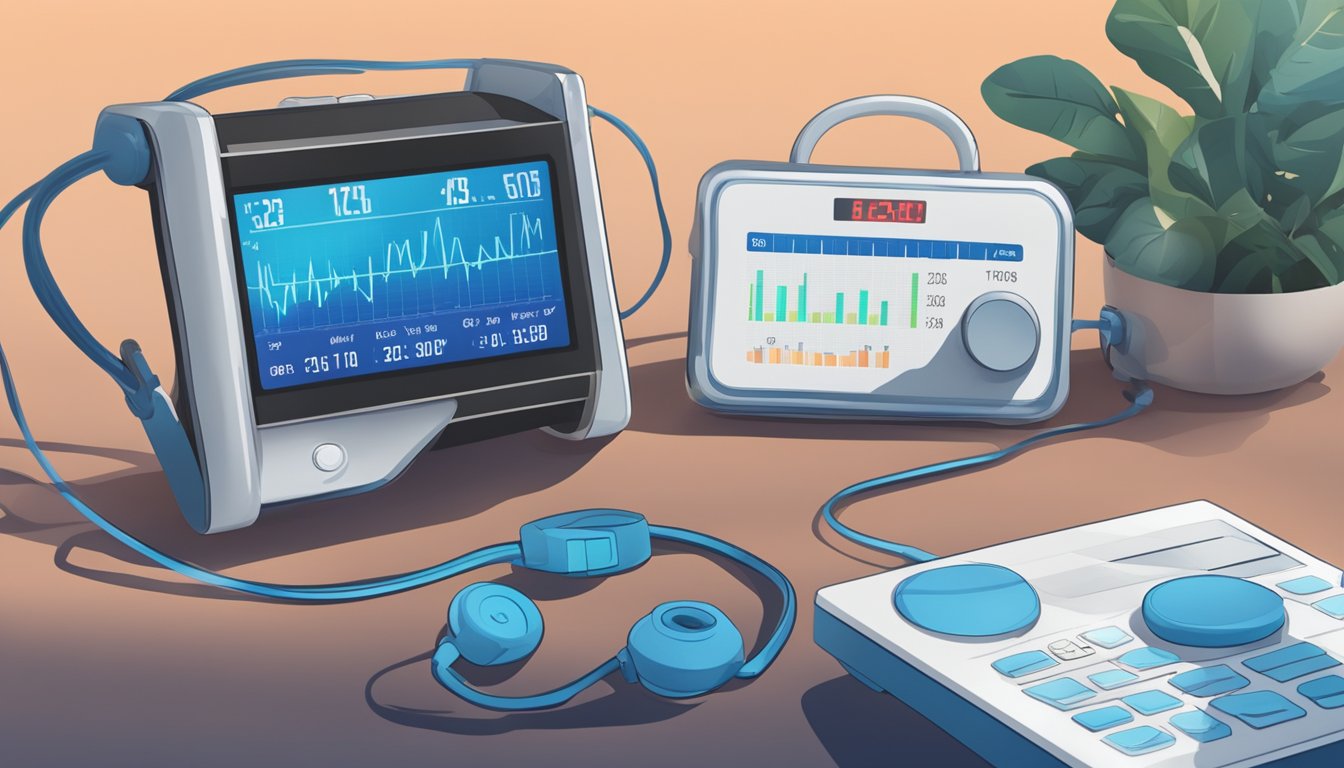
Heart rate is influenced by a variety of factors including exercise, diet and nutrition, stress and emotions. Understanding these factors can help individuals maintain a healthy heart rate.
Impact of Exercise
Exercise has a significant impact on heart rate. During exercise, muscles require more oxygen which increases heart rate. Regular exercise can help improve physical fitness and lower resting heart rate. Target heart rate is the ideal heart rate range during exercise that maximizes the benefits of exercise while minimizing the risk of injury.
Role of Diet and Nutrition
Diet and nutrition play a crucial role in maintaining a healthy heart rate. Nutrients such as potassium, magnesium and calcium are essential for heart health. Consuming a diet high in saturated and trans fats can increase the risk of heart disease and elevate heart rate. Maintaining a balanced diet can help promote a healthy heart rate.
Effects of Stress and Emotion
Stress and emotions can also impact heart rate. Stress activates the sympathetic nervous system which increases heart rate. Chronic stress can lead to a sustained increase in heart rate which can increase the risk of heart disease. Emotions such as anxiety and anger can also elevate heart rate. Managing stress and emotions can help maintain a healthy heart rate.
It is important to note that while these factors can influence heart rate, other factors such as age, genetics and underlying health conditions can also play a role. Individuals should consult with a healthcare professional to determine the best course of action for maintaining a healthy heart rate.
Disclaimer: The information provided is for educational purposes only and should not be used as a substitute for professional medical advice.
Heart Rate in Educational Settings

Heart rate is an important aspect of physical education and is often incorporated into lesson plans for children. Educators can create engaging and informative lesson plans that teach children how to measure their heart rate and understand the significance of their readings.
Creating a Lesson Plan for Children
When creating a lesson plan for children, it is important to keep their age and abilities in mind. Younger children may benefit from interactive activities such as games and puzzles that teach them how to measure their heart rate. Older children may be able to understand more complex concepts and benefit from more in-depth explanations and discussions.
Educators can use a variety of tools and resources to create effective lesson plans. These may include worksheets, handouts, and stopwatches to measure heart rate. Technology can also be incorporated into lesson plans, such as using a computer program to track heart rate readings and display results.
Incorporating Technology and Equipment
Technology and equipment can enhance the learning experience and make it more engaging for students. Educators can use heart rate monitors and other devices to measure heart rate and display the results in real-time. This can help students understand how different activities affect their heart rate and how to maintain a healthy heart rate during exercise.
In addition, technology can be used to create interactive quizzes and games that teach students about heart rate and other related topics. For example, the Healthy Families newsletter provides online resources and games that teach children about the importance of physical activity and healthy habits.
Overall, incorporating heart rate into educational settings can help students develop a better understanding of their bodies and how to maintain a healthy lifestyle. By creating engaging and informative lesson plans, educators can help students develop lifelong habits that promote health and well-being.
Practical Application and Safety
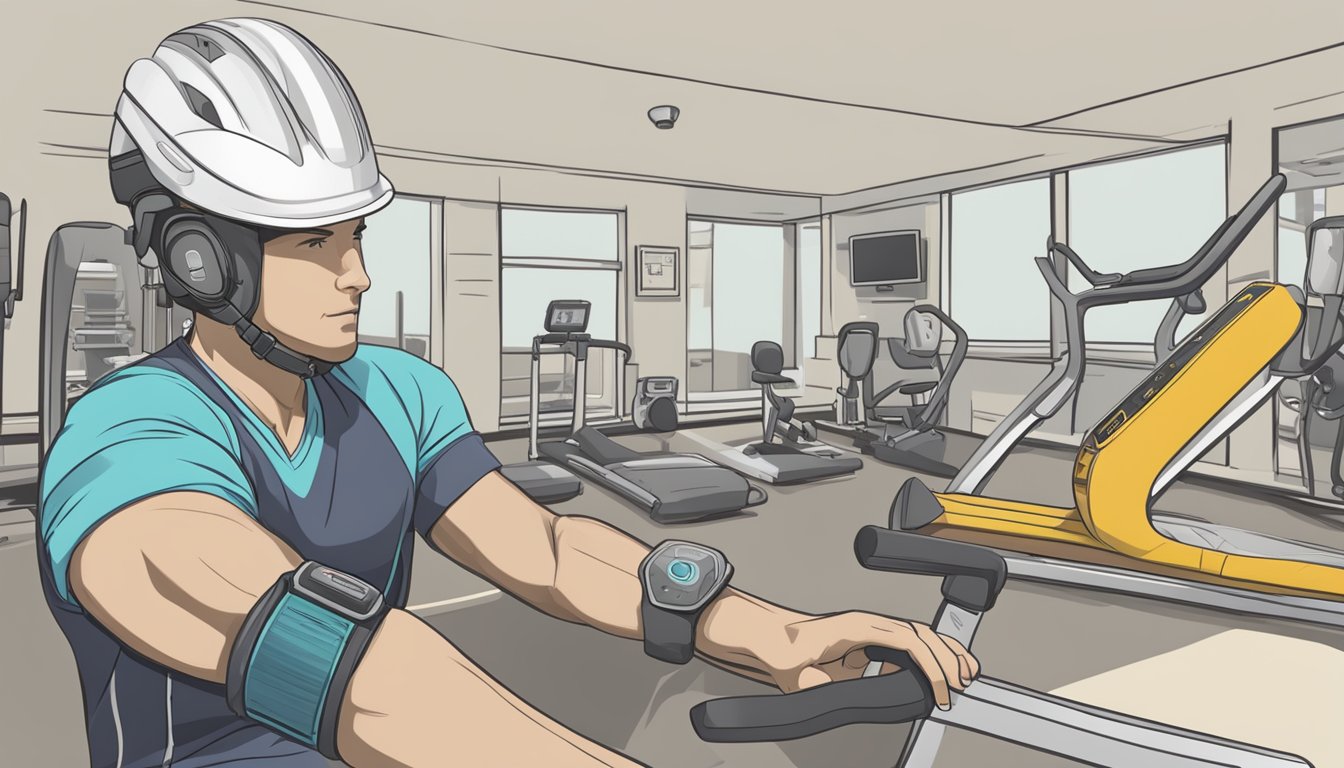
Designing Safe Exercise Routines
When designing exercise routines, it is important to consider the safety of the participants. A physical trainer or nurse can help design an exercise routine that is safe and appropriate for the individual’s needs. Special needs should be taken into account when designing the exercise routine. For example, if the individual has a heart condition, the exercise routine should be designed to avoid any activities that may put too much strain on the heart.
It is also important to consider the equipment being used. If running or jumping is involved, the surface should be safe and appropriate for the activity. The equipment should be in good condition and used properly. A health club or gym should ensure that all equipment is regularly maintained and checked for safety.
Monitoring and Recording Heart Rate Data
When conducting an investigation into heart rate, it is important to monitor and record the data accurately. A pulse rate can be measured using a simple technique, such as placing two fingers on the wrist or neck and counting the beats for a set amount of time. A tape measure can be used to ensure that the fingers are placed in the correct position. The pulse rate can be recorded in a log to keep track of any changes over time.
During physical activity, the heart rate should be monitored to ensure that it does not exceed safe levels. This can be done using a heart rate monitor or by manually measuring the pulse rate. The data should be recorded accurately and compared to resting heart rate data to determine the effect of the activity on the heart rate.
It is important to note that any physical activity involves some level of risk. Participants should be informed of the risks and advised to stop if they experience any discomfort or pain. A responsible disclaimer should be provided where applicable.
Frequently Asked Questions
What activities can effectively demonstrate the concept of heart rate to students?
Activities that involve physical exertion can demonstrate the concept of heart rate to students. For example, running, jumping jacks, or other cardio exercises can increase heart rate. Students can measure their pulse rate before and after the exercise to observe the difference. In addition, using a heart rate monitor can be an effective tool to demonstrate the concept of heart rate.
How can one accurately measure and record pulse rate during physical education lessons?
To accurately measure and record pulse rate during physical education lessons, students can place two fingers on their wrist or neck and count the number of beats for 15 seconds. They can then multiply this number by four to obtain the pulse rate per minute. It is important to ensure that the fingers are placed on the pulse point correctly and that the count is accurate.
What is the recommended approach to introduce the concept of target heart rate to pupils?
The recommended approach to introduce the concept of target heart rate to pupils is to explain the significance of heart rate during exercise and how it can be used to determine the intensity of the workout. Teachers can explain the target heart rate range for each student based on their age and fitness level. Students can then use a heart rate monitor or measure their pulse rate to ensure they are working within the target heart rate range.
In what ways can the variation of normal heart rates by age be explained to a classroom?
The variation of normal heart rates by age can be explained to a classroom by discussing how the heart rate changes as a person grows older. For example, infants have a higher heart rate than adults, and the heart rate gradually decreases as a person ages. Teachers can also explain how physical fitness affects heart rate and how a person’s heart rate can be used to determine their fitness level.
What are some engaging exercises that can help children understand the importance of monitoring heart rate?
Engaging exercises that can help children understand the importance of monitoring heart rate include activities that involve physical exertion, such as running or jumping jacks. Students can measure their pulse rate before and after the exercise to observe the difference. Teachers can also use games or competitions that involve monitoring heart rate to make the lesson more engaging.
How can the principles of heart rate be incorporated into a high school biology curriculum?
The principles of heart rate can be incorporated into a high school biology curriculum by discussing the anatomy and physiology of the heart and how it functions. Teachers can also discuss how heart rate is affected by various factors, such as exercise, stress, and medication. Students can use this knowledge to understand the importance of monitoring heart rate and how it can be used to improve overall health and fitness.
Disclaimer: The information provided in this article is for educational purposes only and should not be used as a substitute for professional medical advice. Always consult a qualified healthcare provider before making any changes to your diet or exercise routine.