

Resting heart rate is an essential measure of cardiovascular health. It is the number of times a person’s heart beats per minute while at rest. A healthy resting heart rate is an indicator of good cardiovascular fitness. In Singapore, the typical resting heart rate for adults ranges from 60 to 100 beats per minute. Children aged 5-6 have a higher resting heart rate of 75-115 bpm.
Understanding Resting Heart Rate is crucial to maintaining good cardiovascular health. Resting heart rate is affected by various factors such as age, sex, physical activity, and overall health. A high resting heart rate could indicate underlying health issues such as hypertension, heart disease, or thyroid problems. A low resting heart rate could indicate good cardiovascular fitness, but it could also indicate an underlying health condition.
Monitoring and Managing Resting Heart Rate is essential to maintaining good cardiovascular health. People can monitor their resting heart rate by taking their pulse while at rest. They can also use wearable technology to monitor their heart rate. Managing resting heart rate involves maintaining a healthy lifestyle by eating a balanced diet, exercising regularly, and getting enough sleep. People with underlying health conditions that affect their resting heart rate should seek medical advice to manage their condition effectively.
Key Takeaways
- Resting heart rate is an essential measure of cardiovascular health
- A high or low resting heart rate could indicate underlying health issues
- Monitoring and managing resting heart rate involves maintaining a healthy lifestyle
Understanding Resting Heart Rate
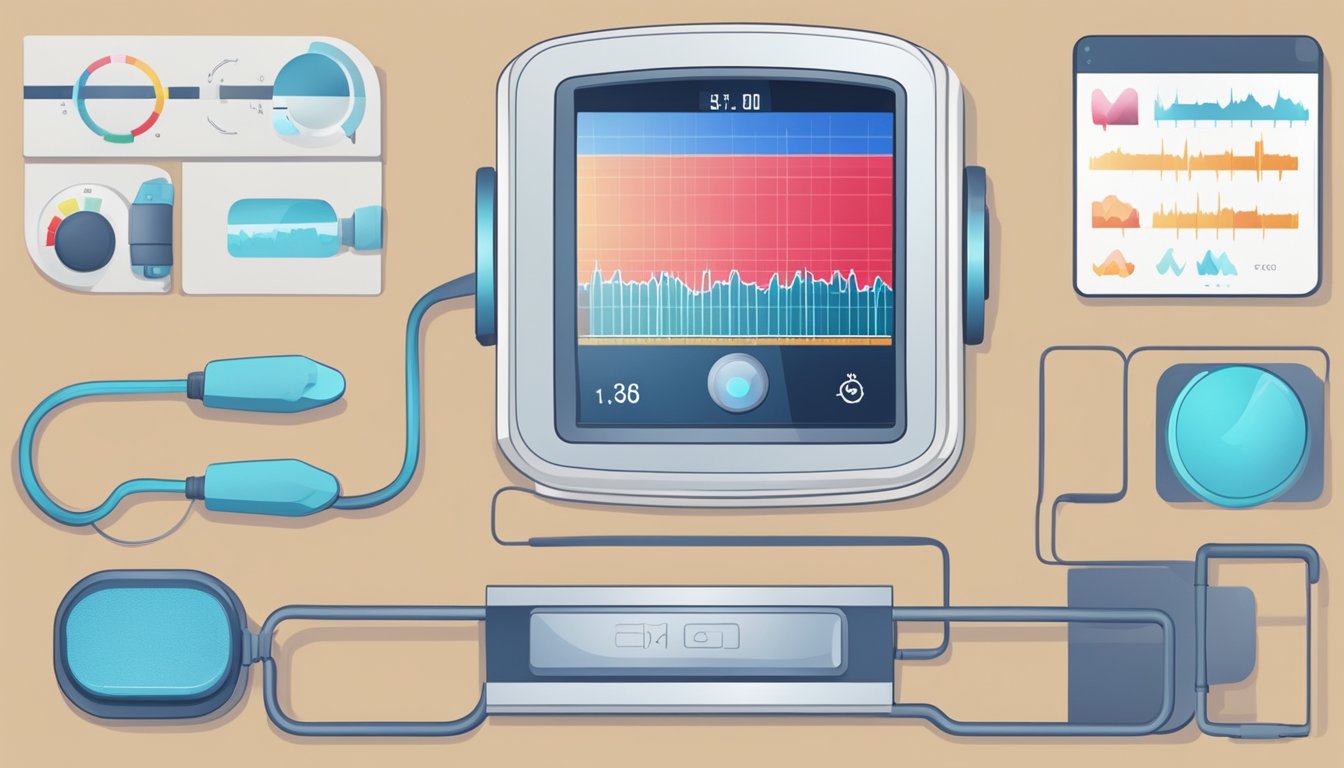
Resting heart rate refers to the number of times a person’s heart beats per minute while at rest. It is an essential indicator of cardiovascular health. A healthy resting heart rate is a sign of a healthy heart. The following sections will provide more information about resting heart rate.
Factors Affecting Resting Heart Rate
Several factors can affect a person’s resting heart rate. These include age, sex, fitness level, body size, medications, and stress levels.
Age is a significant factor that affects resting heart rate. As a person ages, their heart muscle becomes less efficient, which can cause the heart rate to slow down.
Sex also plays a role in resting heart rate. Women tend to have a slightly higher resting heart rate than men.
Fitness level is another factor that affects resting heart rate. Athletes and people who exercise regularly generally have lower resting heart rates than those who lead a sedentary lifestyle.
Body size can also affect resting heart rate. People with a larger body size tend to have a lower resting heart rate than those with a smaller body size.
Medications can also affect resting heart rate. Certain medications, such as beta-blockers, can slow down the heart rate.
Stress levels can also affect resting heart rate. When a person is under stress, their body releases stress hormones that can increase heart rate.
Normal Resting Heart Rate Ranges
The normal resting heart rate ranges from 60 to 100 beats per minute (bpm) for most healthy adults. However, some factors can cause variations in the normal resting heart rate range. For example, athletes and people who exercise regularly may have a resting heart rate as low as 40 to 60 bpm.
Children have a higher resting heart rate than adults. The normal resting heart rate for children aged 6 to 15 years is between 70 and 100 bpm.
Seniors also tend to have a higher resting heart rate than younger adults. The normal resting heart rate for seniors aged 65 years and above is between 60 and 100 bpm.
It is worth noting that a resting heart rate outside the normal range does not necessarily indicate a health problem. However, if a person experiences symptoms such as dizziness, shortness of breath, or chest pain along with an abnormal resting heart rate, they should seek medical attention immediately.
Health Implications

Resting heart rate (RHR) is an important indicator of cardiovascular health. It is defined as the number of times the heart beats per minute while at rest. A healthy RHR falls between 60 and 100 beats per minute. However, it is important to note that RHR varies depending on age, gender, physical fitness level, and other factors.
Indicators of Cardiovascular Health
A lower RHR is generally associated with better cardiovascular health. A higher RHR, on the other hand, may be an indicator of poor cardiovascular health. Studies have shown that a high RHR is associated with an increased risk of heart disease, high blood pressure, and other cardiovascular conditions.
Resting Heart Rate and Potential Health Problems
A RHR that is too low (bradycardia) or too high (tachycardia) may be an indicator of potential health problems. Bradycardia is defined as a RHR that is less than 60 beats per minute. Symptoms of bradycardia may include fatigue, dizziness, and fainting. Tachycardia, on the other hand, is defined as a RHR that is greater than 100 beats per minute. Symptoms of tachycardia may include palpitations, shortness of breath, and chest pain.
Other potential health problems associated with RHR include arrhythmia, coronary artery disease, and cardiovascular disease. It is important to note that RHR is just one of many indicators of cardiovascular health, and should not be used as the sole indicator of health. Other factors such as blood pressure, cholesterol levels, and overall physical fitness should also be taken into consideration.
In conclusion, RHR is an important indicator of cardiovascular health. A healthy RHR falls between 60 and 100 beats per minute. However, a RHR that is too low or too high may be an indicator of potential health problems. It is important to consult a doctor if you experience any symptoms or have concerns about your RHR.
Monitoring and Managing Resting Heart Rate
Resting heart rate is a measure of the number of times the heart beats per minute while a person is at rest. A good resting heart rate is an indicator of good cardiovascular health. In Singapore, it is recommended that adults have a resting heart rate between 60 and 100 beats per minute.
Techniques for Measuring Resting Heart Rate
There are several techniques for measuring resting heart rate. The most common method is to measure the pulse at the wrist or neck for 15 seconds and then multiply by four to get the beats per minute. Another method is to use a heart rate monitor, which is a device that records the heart rate continuously. Fitness trackers and smartwatches are popular devices that can be used to monitor heart rate.
Lifestyle Changes and Medical Interventions
There are several lifestyle changes and medical interventions that can help improve resting heart rate. These include:
- Exercise: Regular physical activity can help improve heart health and lower resting heart rate. It is recommended that adults engage in at least 150 minutes of moderate-intensity aerobic activity per week.
- Stress management: Stress can increase heart rate, so it is important to manage stress levels to maintain a healthy resting heart rate. Techniques such as deep breathing, meditation, and yoga can be helpful.
- Medications: Certain medications, such as beta-blockers and calcium channel blockers, can lower heart rate. However, these medications should only be taken under the guidance of a doctor.
- Medical conditions: Certain medical conditions, such as high blood pressure and heart rhythm problems, can affect resting heart rate. It is important to seek medical attention and follow the recommended treatment plan.
- Emotions: Strong emotions, such as anxiety and excitement, can increase heart rate. Learning to manage emotions can help maintain a healthy resting heart rate.
- Body temperature: Changes in body temperature can affect heart rate. It is important to stay hydrated and avoid extreme temperatures.
- Fitness level: Regular physical activity can improve fitness level and lower resting heart rate.
In conclusion, monitoring and managing resting heart rate is an important aspect of cardiovascular health. By making lifestyle changes and seeking medical attention when necessary, individuals can maintain a good resting heart rate and reduce their risk of cardiovascular disease. It is important to consult a doctor before making any significant changes to lifestyle or taking any medications.
Getting assessed in Singapore
In Singapore, cardiology is provided in both the public and private sectors. Public heart services are concentrated at the National Heart Centre Singapore and the cardiology departments of the restructured hospitals, while private cardiologists practise from medical centres attached to private hospitals. A GP or polyclinic can arrange a referral, or a private clinic can be contacted directly.
If you want to know how this is assessed in practice, see the screening packages available or cardiac screening, or review the preventive cardiology programme.
Frequently Asked Questions
What constitutes a healthy resting heart rate for various age groups in Singapore?
A healthy resting heart rate is important for overall cardiovascular health. The normal resting heart rate for adults typically ranges from 60 to 100 beats per minute (BPM). However, there is a wide range of what’s considered normal, and it varies between individuals. For example, a fit athlete may have a resting heart rate of just 40 to 60 BPM.
For children aged 5 to 6 years old, the normal resting heart rate is between 75 to 115 BPM. As children grow older, their heart rates tend to get progressively slower through childhood towards adolescence.
How does one calculate their resting heart rate accurately?
To calculate your resting heart rate, you need to measure your pulse when you are at rest. You can do this by placing two fingers on your wrist or neck and counting the number of beats in 15 seconds. Multiply this number by four to get your heart rate in beats per minute. It is important to take your pulse at the same time each day to get an accurate reading.
At what point does a resting heart rate become concerning for females?
In general, a resting heart rate of 50 beats per minute or lower is considered bradycardia, which is a slower than normal heart rate. However, it is important to note that some people, especially athletes, may have a lower resting heart rate without any underlying health concerns. If you are experiencing symptoms such as dizziness, fainting, or shortness of breath, it is important to consult a doctor.
What are the normal heart rate parameters for the elderly population in Singapore?
As people age, their heart rate tends to become slower. For adults aged 60 and above, a resting heart rate of 60 to 100 beats per minute is considered normal. However, it is important to note that some elderly individuals may have a slower resting heart rate without any underlying health concerns.
How does gender impact the assessment of an optimal resting heart rate?
Gender can play a role in the assessment of an optimal resting heart rate. In general, females tend to have a slightly higher resting heart rate than males. However, this can vary depending on age, fitness level, and other factors.
What are the implications of a resting heart rate of 50 beats per minute?
A resting heart rate of 50 beats per minute or lower is considered bradycardia. While some people, especially athletes, may have a lower resting heart rate without any underlying health concerns, it is important to consult a doctor if you are experiencing symptoms such as dizziness, fainting, or shortness of breath. Bradycardia can sometimes indicate an underlying heart condition that requires medical attention.
It is important to note that the information provided is for general informational purposes only and should not be considered medical advice. If you have any concerns about your resting heart rate or overall cardiovascular health, it is important to consult a medical professional.
Further reading
- Ministry of Health Singapore — Principal Causes of Death
- National Heart Centre Singapore — Conditions & Treatments
- HealthHub — Cardiovascular Disease
Disclaimer: This article is general information about cardiovascular health. It is not medical advice, diagnosis or treatment, and reading it does not create a doctor–patient relationship. Always seek the advice of your doctor or another qualified health professional with any questions you have about a medical condition, and never disregard or delay seeking medical advice because of something you have read here. If you think you may be having a medical emergency, call 995 or go to the nearest emergency department.