

Heart transplant surgery is a medical procedure that involves replacing a patient’s failing heart with a healthy heart from a donor. This procedure is typically recommended for individuals with end-stage heart failure who have exhausted all other treatment options. Heart transplant surgery is a complex and lengthy procedure that involves a team of highly skilled medical professionals, including cardiac surgeons, anaesthesiologists, and nurses.
Before undergoing a heart transplant surgery, patients must undergo a thorough evaluation and preparation process to ensure that they are healthy enough to undergo the procedure. This may involve a series of tests and assessments, including blood tests, imaging tests, and psychological evaluations. Patients may also need to make certain lifestyle changes, such as quitting smoking or losing weight, to improve their overall health and increase their chances of a successful surgery.
During the heart transplant surgery, the patient is placed under general anaesthesia, and the surgeon removes the diseased heart and replaces it with a healthy heart from a donor. The surgery typically takes several hours to complete, and the patient will need to be closely monitored in the days and weeks following the surgery to ensure that they are healing properly. In the long-term, patients will need to make certain lifestyle changes and take medications to prevent rejection of the donor heart and maintain their quality of life.
Key Takeaways
- Heart transplant surgery is a complex and lengthy procedure that involves a team of highly skilled medical professionals.
- Patients must undergo a thorough evaluation and preparation process before undergoing heart transplant surgery.
- In the long-term, patients will need to make certain lifestyle changes and take medications to maintain their quality of life and prevent rejection of the donor heart.
Pre-Transplant Evaluation and Preparation

Heart transplant surgery is a complex procedure that requires careful evaluation and preparation of the patient. Before a patient can be considered for a heart transplant, they must undergo a thorough assessment of their heart disease and overall health. The transplant team will review the patient’s medical history, perform a physical examination, and order blood tests to determine if they are a suitable transplant candidate.
Assessment of Heart Disease and Overall Health
The evaluation of heart disease and overall health is critical in determining if a patient is a suitable candidate for heart transplant surgery. The transplant team will assess the patient’s heart function, including the strength of the heart muscle, the presence of any blockages or abnormalities in the blood vessels, and the function of heart valves. They will also evaluate the patient’s overall health, including their lung function, liver and kidney function, and any other medical conditions that may impact the success of the transplant.
Compatibility and Donor Selection
Once a patient is deemed a suitable candidate for heart transplant surgery, the transplant team will begin the process of finding a compatible donor heart. The United Network for Organ Sharing (UNOS) maintains a national database of organ donors and transplant recipients, and the transplant team will work with UNOS to identify a donor heart that is a suitable match for the patient.
Donor selection is a critical part of the heart transplant process, and the transplant team will carefully evaluate the donor heart to ensure that it is healthy and suitable for transplant. The donor heart must be a good match for the patient’s blood type and tissue type, and the transplant team will perform a series of tests to ensure that the donor heart is healthy and free from any diseases or infections.
The Transplant Waiting List
Once a compatible donor heart has been identified, the patient will be placed on the transplant waiting list. The waiting time for a donor heart can vary widely, and patients may wait weeks, months, or even years for a suitable donor heart to become available.
During this time, the patient will continue to receive regular medical care and monitoring from the transplant team. The transplant team will also continue to evaluate the patient’s health and suitability for transplant, and may recommend additional tests or procedures to ensure that the patient is fully prepared for the transplant surgery.
In conclusion, the pre-transplant evaluation and preparation process is a critical part of the heart transplant surgery procedure. The transplant team must carefully evaluate the patient’s heart disease and overall health, select a compatible donor heart, and ensure that the patient is fully prepared for the transplant surgery. Patients who are considering heart transplant surgery should work closely with their transplant team and follow their recommendations to ensure the best possible outcome.
The Heart Transplant Surgery

Heart transplant surgery is a complex and invasive procedure that involves the removal of a diseased heart and the implantation of a donor heart. The surgery is performed by a team of highly trained cardiac surgeons and medical professionals in a hospital setting. In this section, we will go through the different stages of the heart transplant surgery.
Anaesthesia and Incision
Before the surgery begins, the patient is given general anesthesia, which puts them to sleep and ensures that they do not feel any pain during the operation. Once the patient is asleep, the surgeon makes an incision in the chest to expose the heart. The incision is typically made down the centre of the chest and extends from the collarbone to the bottom of the breastbone.
Removal of Diseased Heart
Once the chest is open, the surgeon will connect the patient to a heart-lung bypass machine. This machine takes over the function of the heart and lungs, allowing the surgeon to stop the heart and remove it safely. The surgeon will then carefully detach the blood vessels that are connected to the heart and remove the diseased heart.
Implantation of Donor Heart
Once the diseased heart has been removed, the surgeon will implant the donor heart. The surgeon will carefully attach the blood vessels from the patient to the donor heart, ensuring that the new heart is receiving adequate blood flow. Once the blood vessels are attached, the surgeon will start the heart and check that it is functioning correctly.
Closing the Incision
After the donor heart is implanted and functioning correctly, the surgeon will close the incision. The incision is typically closed with stitches or staples, and a dressing is applied to the wound. The patient is then taken to the intensive care unit (ICU) where they will be closely monitored for any complications.
It is important to note that heart transplant surgery is a major operation that carries risks and potential complications. Patients should discuss the risks and benefits of the surgery with their medical team before making a decision. Additionally, it is important to follow all post-operative instructions and attend all follow-up appointments to ensure a successful recovery.
Post-Operative Care and Recovery
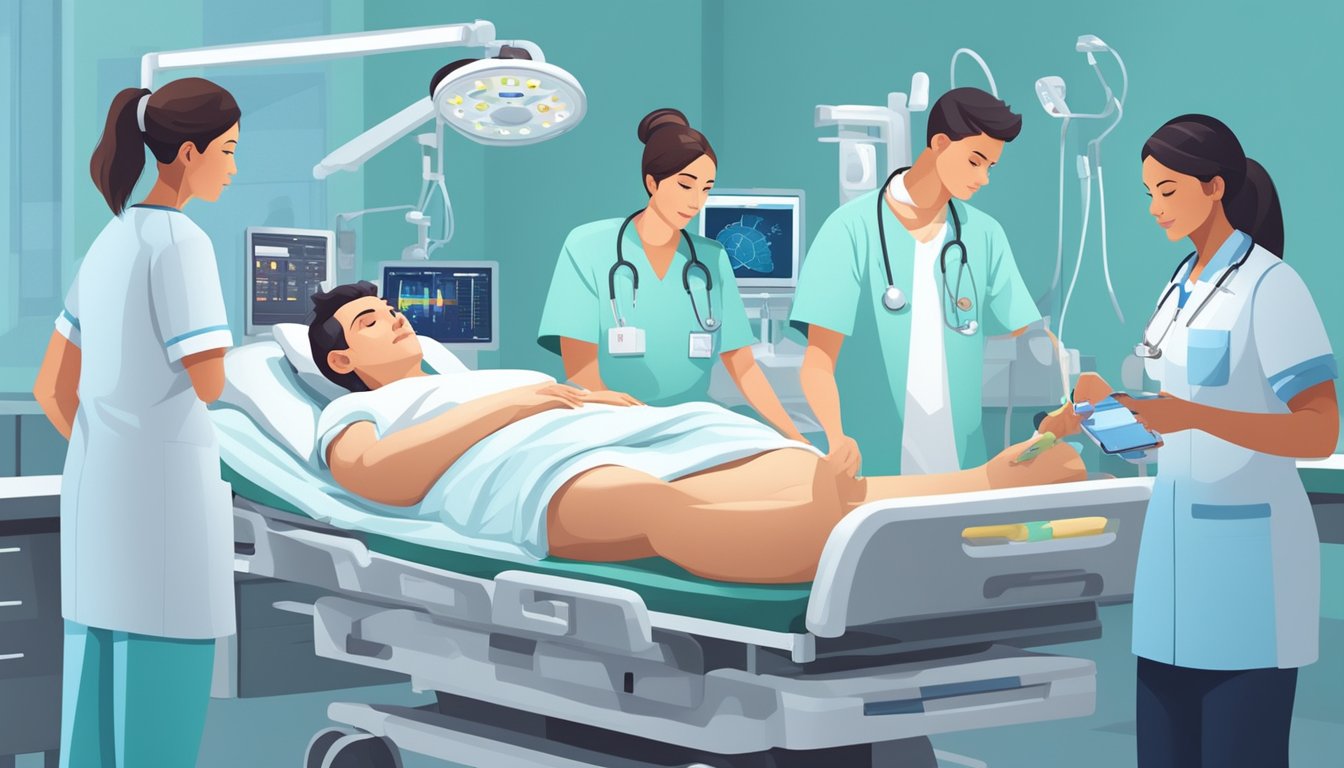
After a heart transplant surgery, the patient is moved to the intensive care unit (ICU) for monitoring and stabilization. The patient will be connected to various machines to monitor their vital signs, including heart rate, blood pressure, oxygen levels, and temperature. The patient may also be placed on a ventilator to assist with breathing.
Monitoring and Stabilisation in ICU
The transplant team will closely monitor the patient’s condition and adjust medications as needed to prevent complications. The patient will receive immunosuppressants to prevent rejection of the new heart, as well as medications to manage pain, prevent infection, and reduce the risk of blood clots.
During the first few days after surgery, the patient may experience bleeding, fluid accumulation, or kidney failure. The transplant team will closely monitor the patient’s condition and take steps to manage any complications that arise.
Managing Rejection and Infection
One of the most significant risks after a heart transplant is rejection of the new heart. The patient will undergo regular heart biopsies to check for signs of rejection. If rejection is detected, the patient may need to receive additional immunosuppressants or other treatments to prevent further damage to the new heart.
In addition to the risk of rejection, the patient is also at risk for infection. The transplant team will take steps to prevent infection, including administering antibiotics and monitoring the patient for signs of infection.
Rehabilitation and Follow-Up
After the patient is stable, they will be moved out of the ICU and into a regular hospital room. The patient will receive physical and cardiac rehabilitation to help them regain strength and endurance. The transplant team will also schedule regular follow-up appointments to monitor the patient’s progress and adjust medications as needed.
It is important for the patient to follow the transplant team’s instructions carefully and take all medications as prescribed. Failure to follow the transplant team’s instructions can increase the risk of complications and reduce the patient’s chances of a successful recovery.
Overall, the survival rate after a heart transplant is relatively high, with many patients experiencing improved quality of life and increased longevity. However, recovery can be a long and challenging process, and it is important for patients to have a strong support system and access to appropriate medical care.
Long-Term Management and Lifestyle Considerations
Heart transplant surgery is a life-changing procedure that requires a lifelong commitment to a healthy lifestyle and regular medical follow-up. The following subsections will discuss some of the key considerations for long-term management and lifestyle modifications that heart transplant recipients should be aware of.
Medication Adherence and Side Effects
After a heart transplant, patients will need to take immunosuppressant medications to prevent rejection of the new heart. It is essential to take these medications as prescribed to prevent rejection and ensure the longevity of the transplant. However, these medications can have significant side effects, such as an increased risk of infections, high blood pressure, and kidney problems. Patients should discuss any side effects with their doctor and report any changes in their health immediately.
Lifestyle Modifications and Support
Heart transplant recipients should make significant lifestyle changes to maintain their health and improve their quality of life. Patients should avoid smoking, alcohol, and drugs to prevent complications and maintain a healthy weight. Exercise is essential for maintaining good health, but patients should consult with their doctor before starting any exercise program. Additionally, patients should seek support from social workers, psychiatrists, and dietitians to help them manage the mental, financial, and social aspects of their recovery.
Regular Monitoring and Health Maintenance
Regular follow-up visits with a cardiologist are essential to monitor the patient’s health and detect any potential complications early. Patients should also receive regular screening for cardiac allograft vasculopathy (CAV) and coronary allograft vasculopathy (CAV), which are common complications after heart transplant surgery. Additionally, patients should be monitored for high blood pressure, pulmonary hypertension, breathing problems, weight gain, and shortness of breath.
In conclusion, heart transplant surgery is a life-changing procedure that requires a lifelong commitment to a healthy lifestyle and regular medical follow-up. Patients should take their medications as prescribed, make significant lifestyle changes, seek support from healthcare professionals, and attend regular follow-up visits to ensure the longevity of their transplant. It is essential to discuss any concerns or questions with their doctor to ensure optimal health and well-being.
Getting assessed in Singapore
In Singapore, cardiology is provided in both the public and private sectors. Public heart services are concentrated at the National Heart Centre Singapore and the cardiology departments of the restructured hospitals, while private cardiologists practise from medical centres attached to private hospitals. A GP or polyclinic can arrange a referral, or a private clinic can be contacted directly.
To understand what an assessment would actually involve, see coronary angiography and stenting and assessment and referral for open heart surgery, or look through the screening packages available.
Frequently Asked Questions
What are the steps involved in a heart transplant operation?
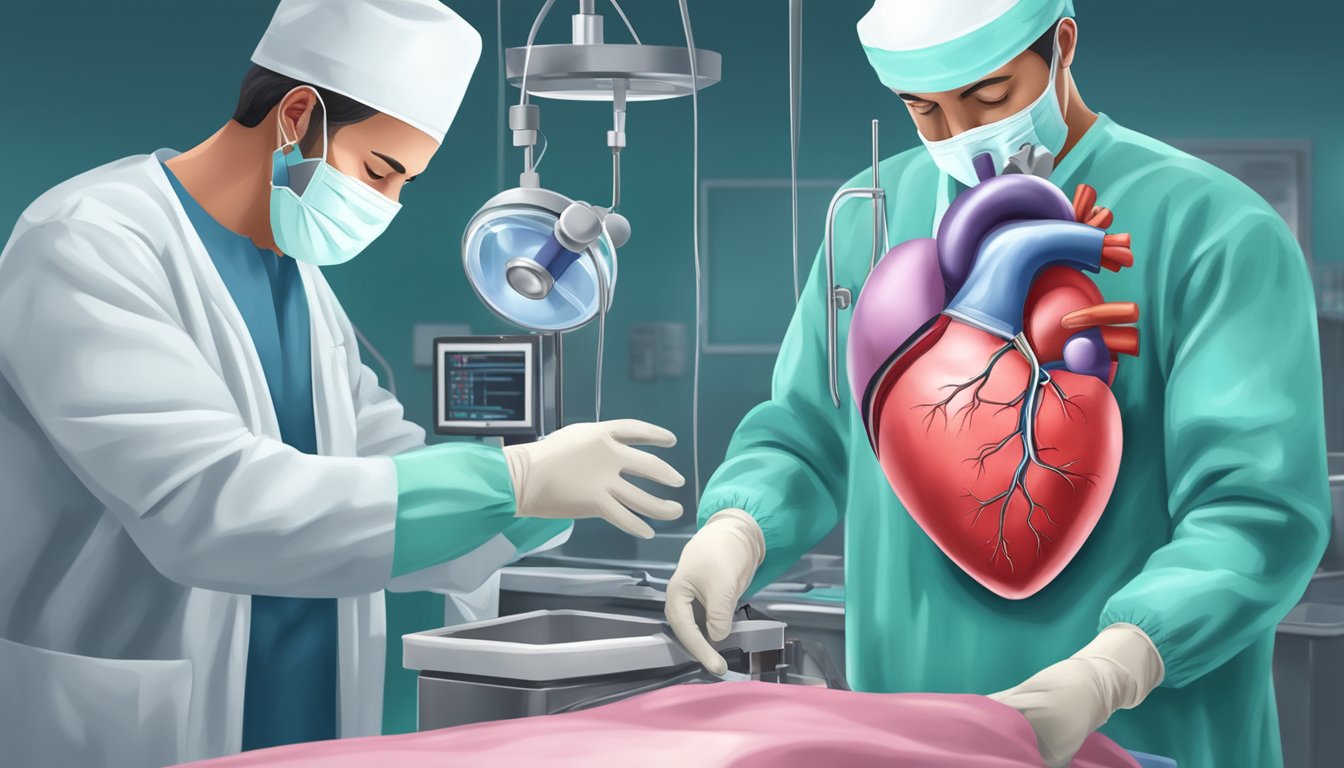
A heart transplant operation involves several steps. Firstly, the patient is put under general anaesthesia. Then, the surgeon removes the diseased heart and replaces it with a healthy donor heart. The new heart is then connected to the patient’s blood vessels. The entire procedure typically takes around six hours.
What is the expected recovery duration following a heart transplant?
The recovery duration following a heart transplant varies from patient to patient. Generally, patients stay in the hospital for around two weeks after the surgery. During this time, they are closely monitored for any complications. After discharge, patients typically need to attend regular follow-up appointments with their doctor. Most patients are able to return to their normal activities within three to six months after the surgery.
What level of quality of life can be anticipated after undergoing a heart transplant?
After undergoing a heart transplant, patients can expect to have a significantly improved quality of life. Many patients report feeling more energetic and able to do things they were unable to do before the surgery. However, it is important to note that the recovery process can be challenging, and patients may experience side effects from the medication they need to take to prevent rejection of the new heart.
What is the average survival rate following a heart transplant?
The average survival rate following a heart transplant is around 85% after one year, 75% after five years, and 50% after ten years. However, it is important to note that these figures vary depending on a number of factors, including the patient’s age, overall health, and the reason for the heart transplant.
What criteria determine eligibility for placement on the heart transplant waiting list?
To be eligible for placement on the heart transplant waiting list, patients must meet certain criteria. These include having end-stage heart failure that is not responding to other treatments, being in otherwise good health, and being able to comply with the post-transplant medication regimen. Patients are also evaluated on a case-by-case basis to determine their suitability for the surgery.
What lifestyle modifications are recommended for patients post-heart transplant?
After a heart transplant, patients are advised to make certain lifestyle modifications to ensure the success of the surgery. These include avoiding alcohol and tobacco, maintaining a healthy diet, and engaging in regular exercise. Patients also need to take medication to prevent rejection of the new heart, and must attend regular follow-up appointments with their doctor to monitor their progress and adjust their medication regimen as necessary.
It is important to note that every case is unique, and patients should consult with their doctor to determine the best course of action for their individual needs.
Further reading
- National Heart Centre Singapore — Conditions & Treatments
- SingHealth — Conditions & Treatments
- European Society of Cardiology — Clinical Practice Guidelines
Disclaimer: This article is general information about cardiovascular health. It is not medical advice, diagnosis or treatment, and reading it does not create a doctor–patient relationship. Always seek the advice of your doctor or another qualified health professional with any questions you have about a medical condition, and never disregard or delay seeking medical advice because of something you have read here. If you think you may be having a medical emergency, call 995 or go to the nearest emergency department.