

Blood clots in the heart can be a serious medical condition that requires immediate attention. The most common cause of blood clots in the heart is atrial fibrillation, which is a heart rhythm disorder that can cause blood to pool in the heart and form clots. Other causes can include atherosclerosis, heart valve disease, and heart attack.
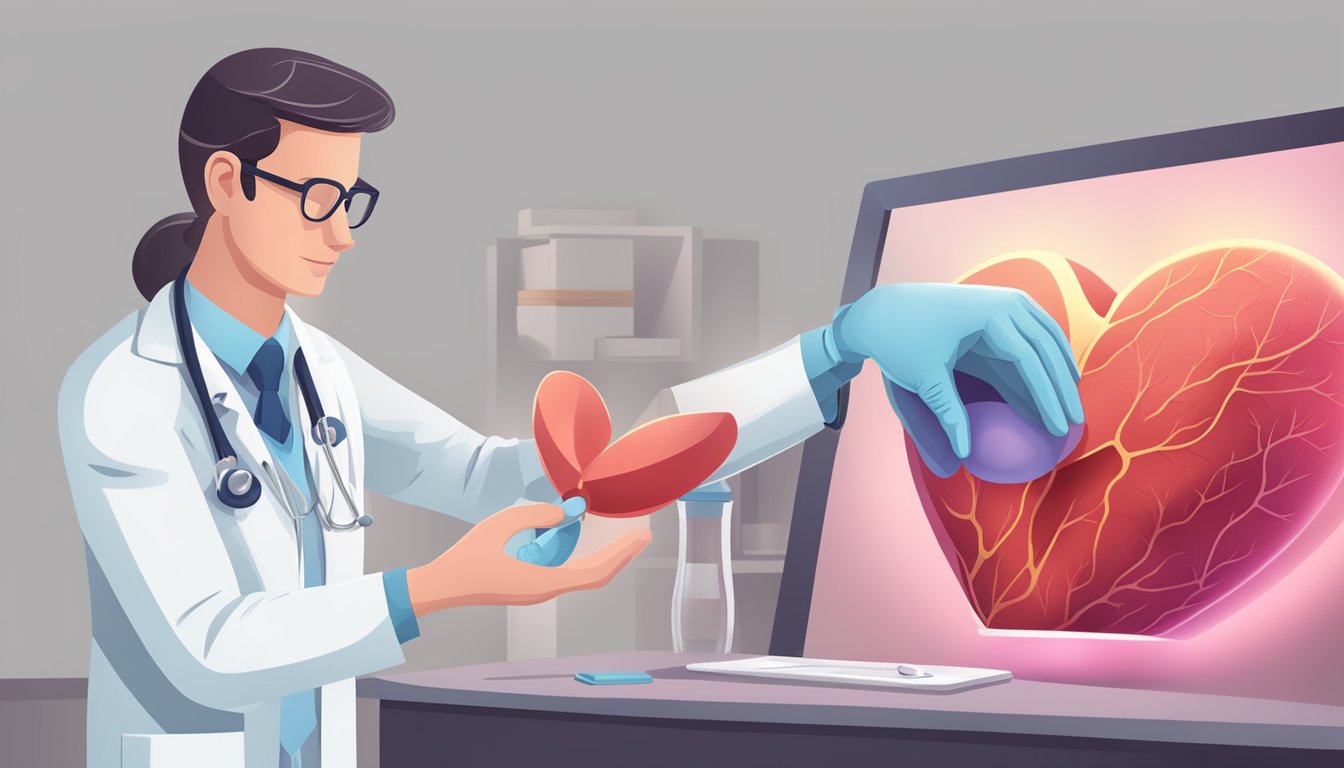
Symptoms of a blood clot in the heart can include chest pain, shortness of breath, and rapid or irregular heartbeat. If you experience any of these symptoms, it is important to seek medical attention right away. Treatment options for blood clots in the heart can include blood thinners, medications to break up the clot, and surgery in severe cases.
Understanding the risks and symptoms of blood clots in the heart is important for early diagnosis and treatment. With prompt medical attention and appropriate treatment, the prognosis for blood clots in the heart can be good. It is important to follow your doctor’s recommendations and take any prescribed medications as directed to prevent future blood clots.
Key Takeaways
- Blood clots in the heart can be caused by a variety of underlying medical conditions.
- Symptoms of a blood clot in the heart can include chest pain, shortness of breath, and rapid or irregular heartbeat.
- Early diagnosis and appropriate treatment can improve the prognosis for blood clots in the heart.
Understanding Blood Clots in the Heart
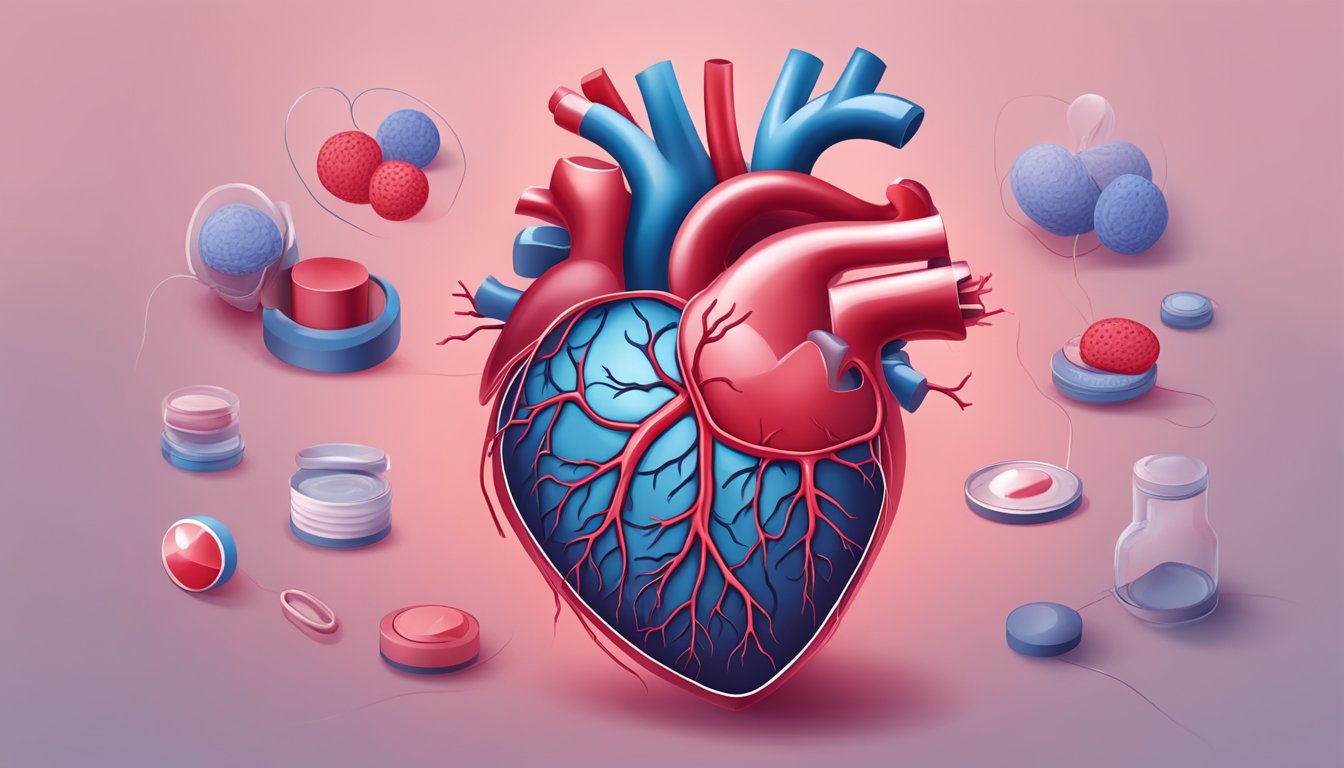
Blood clots in the heart are a serious medical condition that can lead to a heart attack or stroke. A blood clot, also known as a thrombus, is a clump of blood that forms in a vein or artery. When a blood clot forms in the heart, it can block blood flow to the heart muscle, leading to a heart attack or other serious complications.
Types of Heart-Related Thrombosis
There are several types of heart-related thrombosis that can occur, including:
- Coronary thrombosis: A blood clot that forms in one of the arteries that supply blood to the heart muscle.
- Atrial fibrillation: An irregular heartbeat that can cause blood to pool in the heart, increasing the risk of blood clots.
- Intracardiac thrombosis: A blood clot that forms inside the heart, often as a result of damage to the heart muscle or heart valves.
Signs and Symptoms of a Cardiac Clot
The signs and symptoms of a cardiac clot can vary depending on the location and severity of the clot. Some common symptoms of a cardiac clot include:
- Chest pain or discomfort: This may feel like pressure, squeezing, or a burning sensation in the chest.
- Shortness of breath: This may be accompanied by a feeling of tightness in the chest or difficulty breathing.
- Heart attack: In some cases, a cardiac clot can lead to a heart attack, which may cause symptoms such as chest pain, shortness of breath, and nausea.
If you experience any of these symptoms, it is important to seek medical attention right away. Your doctor can perform tests to diagnose a cardiac clot, such as an electrocardiogram (ECG) or a cardiac catheterization.
Treatment
Treatment for a cardiac clot may include medications to thin the blood and prevent further clotting, such as anticoagulants or antiplatelet drugs. In some cases, surgery may be necessary to remove the clot or repair damage to the heart muscle or valves.
It is important to follow your doctor’s instructions for treatment and to take any medications as prescribed. It is also important to make lifestyle changes to reduce your risk of developing blood clots, such as quitting smoking, maintaining a healthy weight, and exercising regularly.
Disclaimer: This article is for informational purposes only and should not be used as a substitute for professional medical advice. Always seek the advice of your doctor or other qualified healthcare provider with any questions you may have regarding a medical condition.
Diagnosis and Risk Factors
Diagnostic Tests for Heart Clots
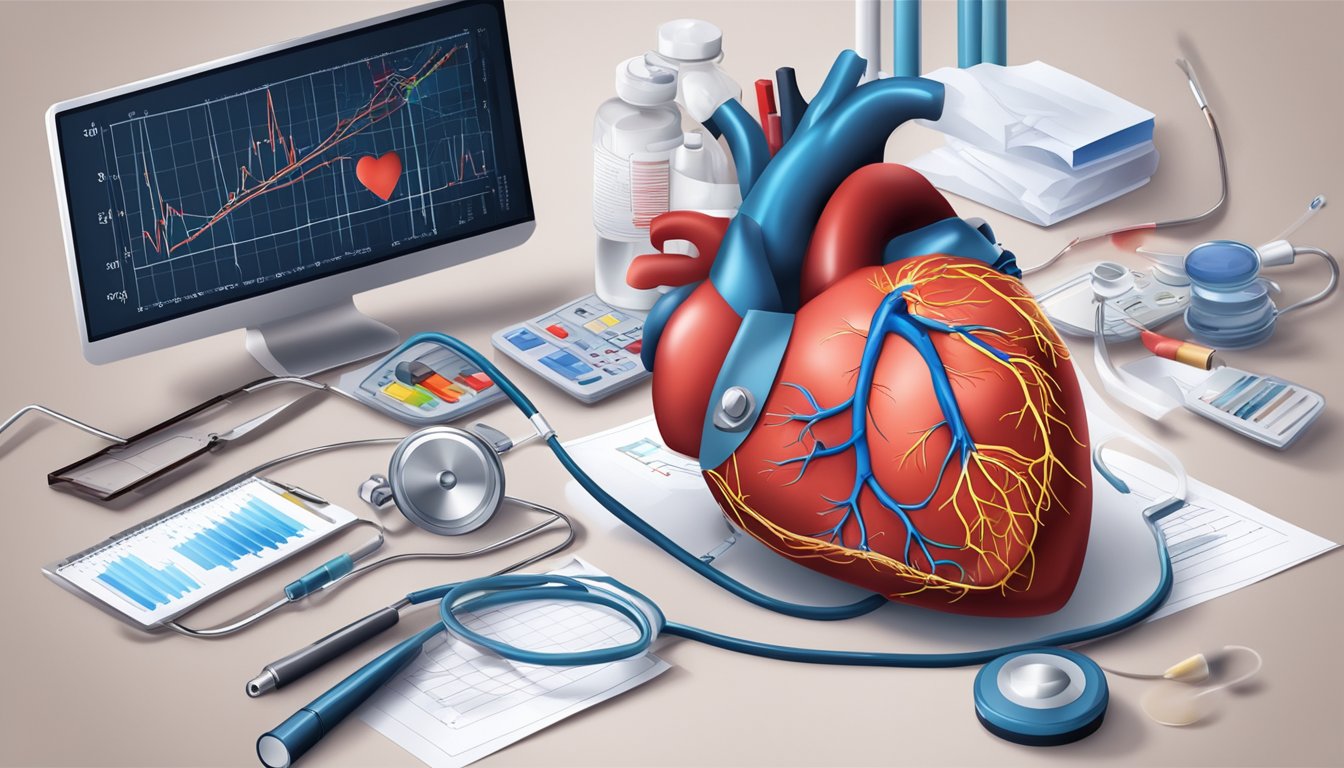
If a person is experiencing symptoms of a heart clot, the doctor may perform various diagnostic tests to confirm the presence of a clot. Blood tests may be done to check for the presence of certain proteins that indicate the formation of a clot. An electrocardiogram (ECG) may be performed to assess the electrical activity of the heart. Cardiac catheterization may also be done to visualize the heart and identify the presence of a clot.
Risk Factors for Blood Clots
Several factors can increase a person’s risk of developing a blood clot in the heart. Age is a significant risk factor, as the risk of blood clots increases with age. Smoking and obesity are also major risk factors for developing blood clots. High cholesterol levels in the blood can also increase the risk of blood clots.
Family history of blood clots is another risk factor that cannot be controlled. People with a family history of blood clots should inform their doctor and take necessary precautions to reduce their risk of developing blood clots.
Diabetes is another risk factor for developing blood clots. People with diabetes are at a higher risk of developing blood clots due to changes in blood vessel function and increased inflammation.
It is important to note that having one or more of these risk factors does not necessarily mean a person will develop a blood clot in the heart. However, it is important to be aware of these risk factors and take necessary precautions to reduce the risk of developing a blood clot.
Treatment Options
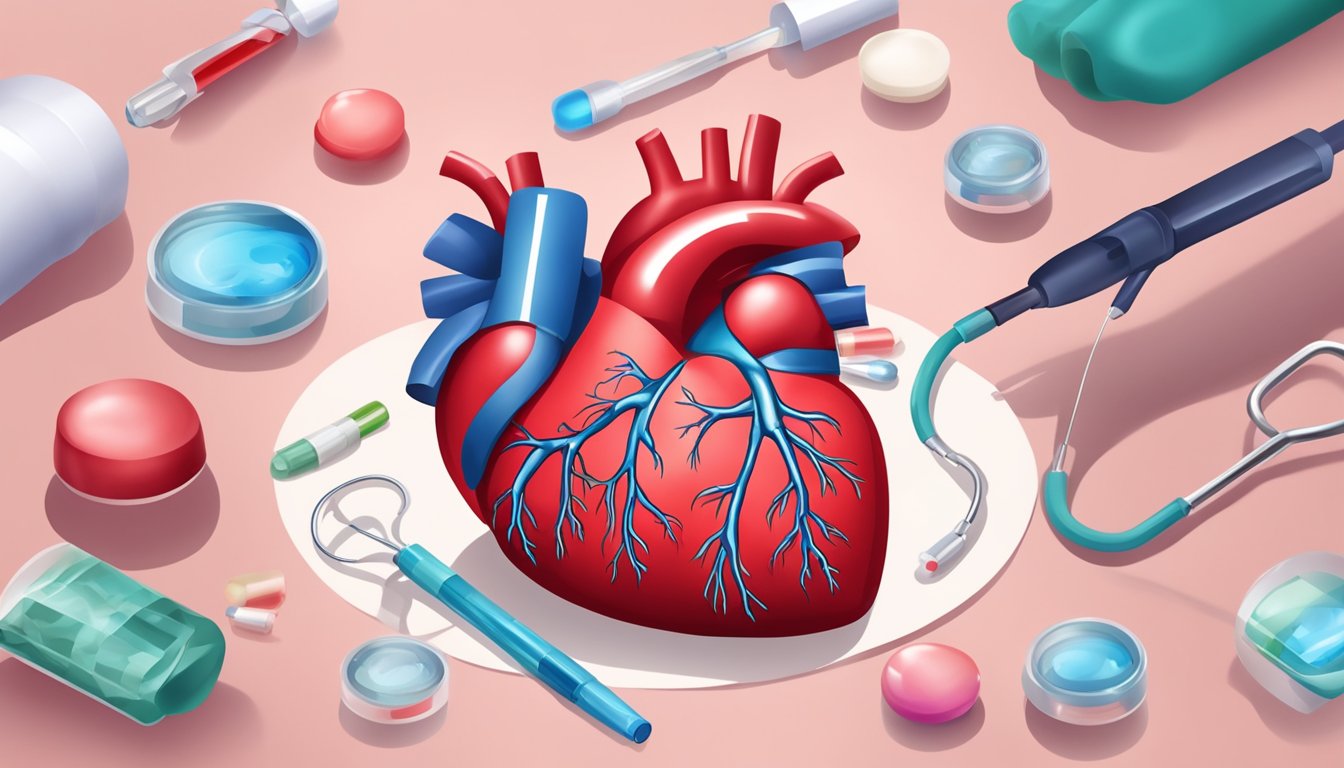
When it comes to treating blood clots in the heart, there are several options available. The most appropriate treatment depends on the severity of the clot and the patient’s overall health. This section will cover the most common treatment options for blood clots in the heart.
Medications
Medications are often the first line of treatment for blood clots in the heart. Blood-thinning medications, such as aspirin, warfarin, rivaroxaban, and apixaban, can help prevent further clots from forming and reduce the risk of complications. These medications work by slowing down the blood’s ability to clot, which can help prevent blockages in the heart’s blood vessels.
It is important to note that blood-thinning medications can increase the risk of bleeding, so patients taking these medications should be closely monitored by their doctor. Additionally, patients should follow their doctor’s instructions carefully and report any unusual symptoms or side effects.
Surgical Interventions
In some cases, surgical intervention may be necessary to treat blood clots in the heart. This may include procedures such as angioplasty or stenting, which can help open up blocked blood vessels and improve blood flow to the heart.
In more severe cases, surgery may be required to remove the clot or repair damaged blood vessels. This may include procedures such as bypass surgery or valve replacement surgery.
It is important to note that surgical interventions carry some risks, and patients should discuss the potential benefits and risks with their doctor before undergoing any procedure.
Lifestyle Changes and Prevention
In addition to medications and surgical interventions, lifestyle changes can also play a role in the treatment and prevention of blood clots in the heart. Regular exercise and a healthy diet can help improve overall cardiovascular health and reduce the risk of blood clots.
Patients should also avoid smoking and limit their alcohol intake, as these habits can increase the risk of blood clots and other cardiovascular problems.
It is important to note that lifestyle changes alone may not be sufficient to treat blood clots in the heart, and patients should always follow their doctor’s instructions and recommendations for treatment.
When to Seek Medical Attention

Blood clots in the heart can be life-threatening and require immediate medical attention. Therefore, it is crucial to recognize the signs and symptoms of a blood clot in the heart.
The most common signs of a blood clot in the heart include chest pain, shortness of breath, and fatigue. If you experience any of these symptoms, it is essential to seek medical attention immediately.
In some cases, a blood clot in the heart can lead to heart failure, pulmonary embolism, or stroke. Therefore, it is crucial to seek medical attention if you experience any of the following symptoms:
- Sudden numbness or weakness in the face, arm, or leg, especially on one side of the body
- Sudden confusion, trouble speaking, or difficulty understanding speech
- Sudden trouble seeing in one or both eyes
- Sudden trouble walking, dizziness, loss of balance, or lack of coordination
- Severe headache with no known cause
It is important to note that a blood clot in the heart is a medical emergency and requires immediate medical attention. Delaying treatment can lead to serious complications and even death.
In summary, if you experience any signs or symptoms of a blood clot in the heart, seek medical attention immediately. Remember, early detection and treatment can prevent serious complications and save lives.
Frequently Asked Questions
What are the initial symptoms indicating a blood clot within the heart?
The initial symptoms of a blood clot within the heart may vary depending on the severity of the condition. Some of the most common symptoms include chest pain, shortness of breath, dizziness, and fainting. In severe cases, an individual may experience sudden cardiac arrest. If you experience any of these symptoms, it is important to seek medical attention immediately.
What are the primary causes of a cardiac thrombosis?
The primary causes of a cardiac thrombosis include atherosclerosis, heart attack, arrhythmia, and heart valve disease. Individuals with a history of blood clots or a family history of blood clots may also be at an increased risk of developing a cardiac thrombosis.
What medical interventions are available to dissolve a heart blood clot?
Medical interventions for dissolving a heart blood clot may include the use of blood thinners, thrombolytic therapy, or surgical intervention. The choice of treatment will depend on the severity of the condition and the individual’s overall health.
What is the prognosis for individuals with a heart blood clot?
The prognosis for individuals with a heart blood clot depends on the severity of the condition and the individual’s response to treatment. With prompt medical attention and appropriate treatment, many individuals are able to make a full recovery. However, in some cases, a heart blood clot may lead to serious complications or even death.
How long is the typical resolution period for a blood clot within the heart?
The resolution period for a blood clot within the heart may vary depending on the individual’s overall health and the severity of the condition. In some cases, blood clots may dissolve on their own within a few weeks. However, in other cases, medical intervention may be necessary to dissolve the clot.
Is it possible for a heart blood clot to lead to instantaneous death?
In some cases, a heart blood clot may lead to sudden cardiac arrest or other serious complications that can be life-threatening. It is important to seek medical attention immediately if you experience any symptoms of a heart blood clot.