

Marfan syndrome is a genetic disorder that affects the body’s connective tissue, which provides support to various organs and tissues in the body. The condition is caused by a mutation in the FBN1 gene, which provides instructions for making a protein called fibrillin-1. This protein is an important component of connective tissue and helps to give it strength and elasticity.
One of the most serious manifestations of Marfan syndrome is its impact on the heart. Individuals with Marfan syndrome often have weakened heart valves, which can lead to a range of cardiovascular complications, including aortic aneurysm, aortic dissection, and mitral valve prolapse. These complications can be life-threatening and require careful monitoring and management.
Effective management of Marfan syndrome heart valve complications requires a multidisciplinary approach, involving a team of healthcare professionals, including cardiologists, geneticists, and other specialists. Treatment options may include medication, surgery, or a combination of both. Regular monitoring is essential to detect and manage any potential complications early on, and to ensure that the individual receives appropriate care and support.
Key Takeaways
- Marfan syndrome is a genetic disorder that affects the body’s connective tissue and can lead to serious complications in the heart.
- The condition is caused by a mutation in the FBN1 gene, which provides instructions for making a protein called fibrillin-1.
- Effective management of Marfan syndrome heart valve complications requires a multidisciplinary approach, involving a team of healthcare professionals, and regular monitoring is essential to detect and manage any potential complications early on.
Genetic Basis of Marfan Syndrome
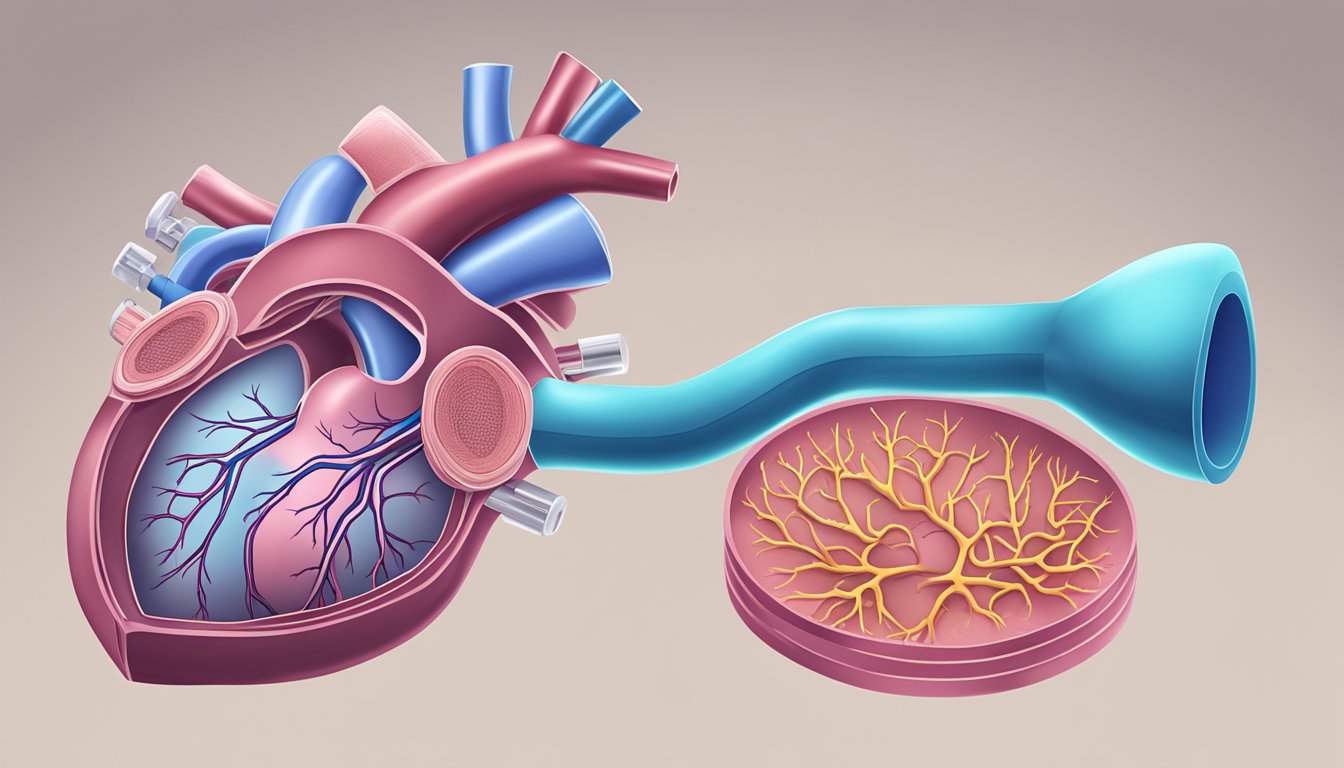
Marfan Syndrome is a genetic disorder that affects the connective tissues of the body. It is caused by a mutation in the FBN1 gene, which encodes the protein fibrillin-1. The mutation in this gene leads to the production of abnormal fibrillin-1 protein, which results in the characteristic features of Marfan Syndrome.
Role of Fibrillin-1 Protein
Fibrillin-1 protein is a major component of the connective tissues in the body, including the heart valves. It plays an important role in the formation and maintenance of elastic fibers in the connective tissues. The abnormal fibrillin-1 protein produced in Marfan Syndrome does not function properly, leading to weakened connective tissues.
Autosomal Dominant Inheritance Pattern
Marfan Syndrome is an autosomal dominant disorder, which means that a person with the disorder has a 50% chance of passing it on to their offspring. The disorder affects both males and females equally and can occur in any racial or ethnic group.
The FBN1 Gene Mutation
The FBN1 gene mutation that causes Marfan Syndrome is a spontaneous mutation that occurs during the formation of the egg or sperm cell or early in embryonic development. In some cases, the mutation can be inherited from a parent who also has the disorder.
Individuals with a family history of Marfan Syndrome or those who exhibit symptoms of the disorder should seek genetic counseling. Genetic counseling can help individuals understand the risks and benefits of genetic testing and make informed decisions about their health.
It is important to note that not all individuals with a mutation in the FBN1 gene will develop Marfan Syndrome. The severity of the disorder can vary widely, even among individuals with the same mutation.
In conclusion, understanding the genetic basis of Marfan Syndrome is crucial in the diagnosis and management of the disorder. Genetic testing can help identify individuals with the disorder and those who are at risk of developing it. However, it is important to seek genetic counseling before undergoing genetic testing to fully understand the implications of the results.
Cardiovascular Manifestations
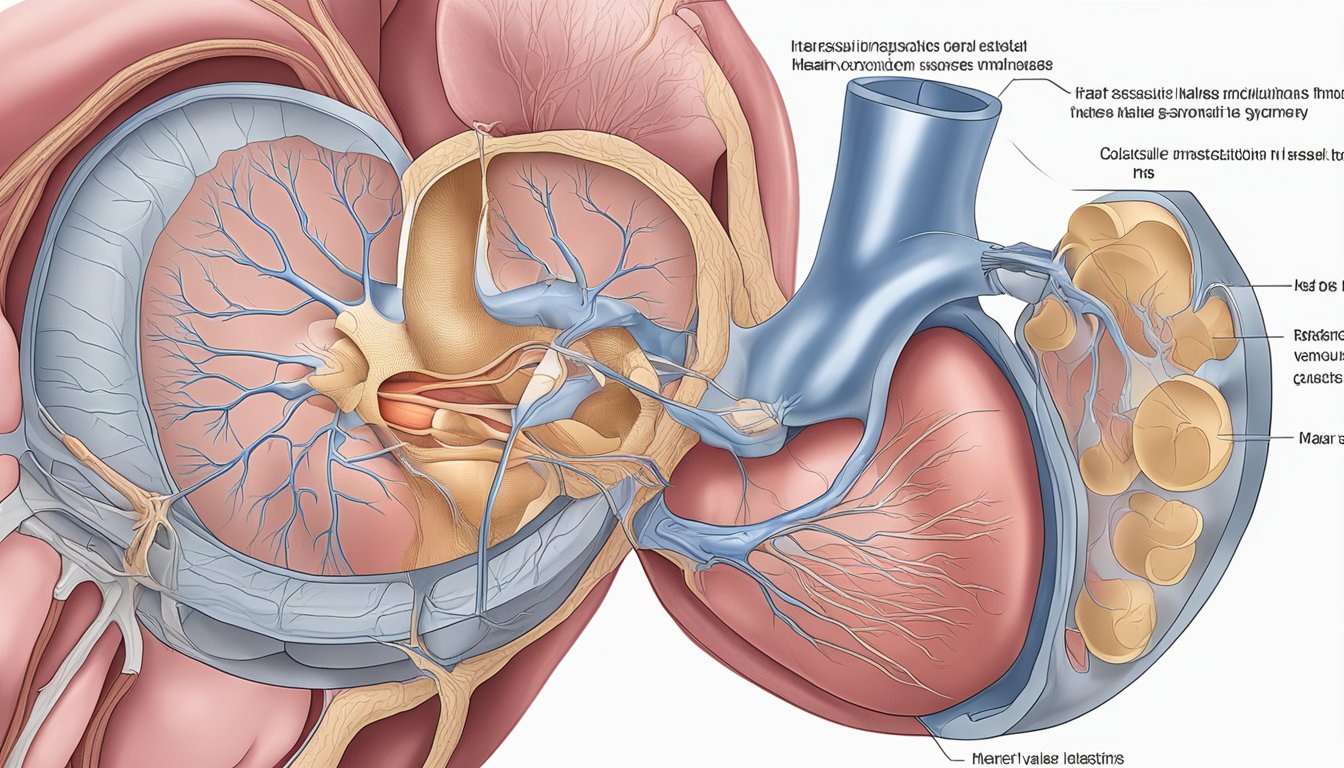
Marfan syndrome is a genetic disorder that affects the connective tissue of the body. One of the most serious manifestations of Marfan syndrome is the cardiovascular involvement, which can lead to significant morbidity and mortality. The cardiovascular manifestations of Marfan syndrome are variable and can affect different parts of the heart and blood vessels.
Aortic Aneurysm and Dissection
One of the most common cardiovascular manifestations of Marfan syndrome is aortic aneurysm and dissection. The aorta is the main blood vessel that carries blood from the heart to the rest of the body. In Marfan syndrome, the aorta can become weak and dilated, leading to the formation of an aneurysm. If the aneurysm ruptures, it can cause life-threatening bleeding. In addition, the aorta can also become dissection, which is a tear in the wall of the aorta that can cause blood to leak into the layers of the aortic wall. This can lead to aortic rupture, which is a medical emergency that requires immediate treatment.
Valvular Heart Disease
Marfan syndrome can also affect the heart valves, which are the structures in the heart that control the flow of blood. The most common valve affected in Marfan syndrome is the aortic valve, which can become leaky (aortic regurgitation) or narrowed (aortic stenosis). The mitral valve can also be affected, leading to mitral regurgitation or mitral valve prolapse. The tricuspid valve can also be affected in some cases.
Aortic Root Dilation
Another cardiovascular manifestation of Marfan syndrome is aortic root dilation. The aortic root is the part of the aorta that is closest to the heart. In Marfan syndrome, the aortic root can become enlarged, which can lead to aortic aneurysm and dissection. Aortic root dilation is a common finding in Marfan syndrome and is an important predictor of cardiovascular complications.
Cardiovascular Abnormalities
Marfan syndrome can also cause other cardiovascular abnormalities, such as abnormal heart rhythm (ventricular arrhythmia), heart failure, and pulmonary artery dilation. These abnormalities can lead to significant cardiovascular complications and can be life-threatening if left untreated.
It is important to note that not all patients with Marfan syndrome will develop cardiovascular manifestations, and the severity of the manifestations can vary among patients. Regular monitoring and management of cardiovascular abnormalities are essential in patients with Marfan syndrome to prevent complications and improve outcomes.
Disclaimer: The information provided in this article is for educational purposes only and should not be used as a substitute for medical advice. Patients with Marfan syndrome should consult their healthcare provider for individualized management and treatment recommendations.
Clinical Presentation and Diagnosis

Marfan syndrome is a genetic disorder that affects the connective tissue in the body. The most common cause of death in individuals with Marfan syndrome is due to complications related to the cardiovascular system. The diagnosis of Marfan syndrome is usually made based on clinical criteria, including physical signs and symptoms, diagnostic imaging techniques, and differential diagnosis.
Physical Signs and Symptoms
Individuals with Marfan syndrome typically have a tall and thin body type, with long arms, legs, and fingers. They may also have skeletal abnormalities such as scoliosis, a breastbone that protrudes outward, a highly arched palate, and crowded teeth. Eye problems are also common, including nearsightedness, ectopia lentis (dislocation of the lens), glaucoma, cataracts, and retinal detachment. Skin striae, or stretch marks, may also be present.
Diagnostic Imaging Techniques
The diagnosis of Marfan syndrome is often confirmed using imaging techniques such as magnetic resonance imaging (MRI), echocardiography, computed tomography (CT), and cardiac magnetic resonance (CMR). These imaging techniques can help detect abnormalities in the cardiovascular system, including the aorta and heart valves.
Differential Diagnosis
The diagnosis of Marfan syndrome can be challenging due to the wide range of symptoms that can occur in affected individuals. Differential diagnosis may include other genetic disorders that affect the connective tissue, such as Ehlers-Danlos syndrome and Loeys-Dietz syndrome. It is important to differentiate between these disorders as they may have different treatment options and prognoses.
It is important to note that the diagnosis of Marfan syndrome should only be made by a qualified healthcare professional. The information provided in this article is for informational purposes only and should not be used as a substitute for medical advice.
Management and Treatment
Marfan syndrome is a genetic disorder that affects the connective tissue of the body. The most common complications of Marfan syndrome are related to the heart and blood vessels, including heart valve problems. The management and treatment of Marfan syndrome heart valve involve a combination of medical interventions, surgical procedures, and lifestyle changes.
Medical Interventions
Medical interventions are used to manage the symptoms of Marfan syndrome heart valve. Medications such as beta-blockers and angiotensin receptor blockers can help reduce blood pressure and slow down the progression of aortic enlargement. Regular monitoring of blood pressure and heart function is essential to ensure that the medications are working effectively.
Surgical Procedures
Surgical procedures may be required to repair or replace the heart valve in cases of severe Marfan syndrome heart valve disease. The most common surgical procedure is aortic valve replacement, which involves removing the damaged valve and replacing it with an artificial one. Aortic root replacement may also be necessary to prevent life-threatening complications such as aortic dissection.
Lifestyle and Monitoring
Lifestyle changes and monitoring are essential for managing Marfan syndrome heart valve. Patients with Marfan syndrome should avoid strenuous physical activity and contact sports to reduce the risk of aortic dissection. Regular monitoring of heart function and aortic size is necessary to detect any changes and prevent life-threatening complications.
Patients with Marfan syndrome heart valve should receive regular care from a specialist doctor who has experience in managing the condition. Women with Marfan syndrome who are pregnant or planning to become pregnant should receive specialist care to ensure that they receive appropriate treatment and monitoring.
In conclusion, the management and treatment of Marfan syndrome heart valve involve a combination of medical interventions, surgical procedures, and lifestyle changes. Regular monitoring and specialist care are essential for preventing morbidity and mortality associated with the condition.
Frequently Asked Questions
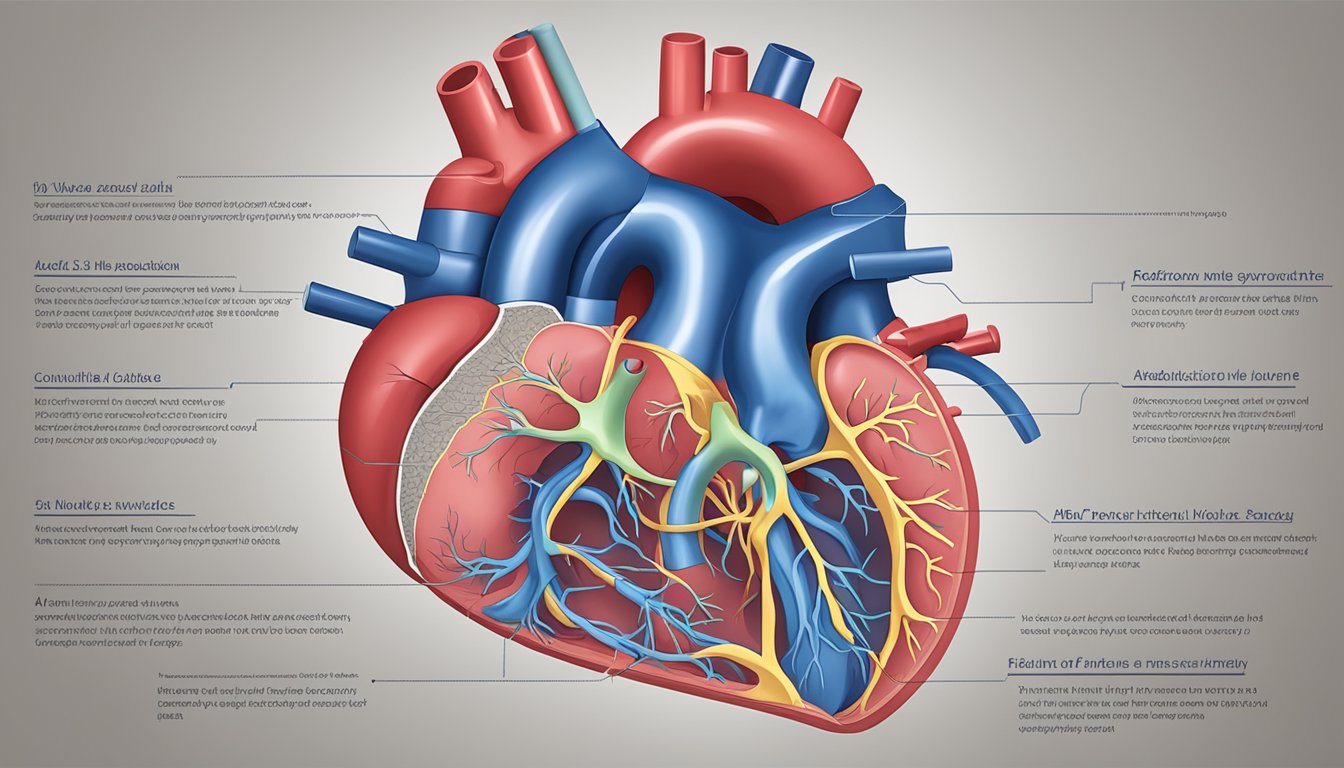
What are the typical cardiac defects associated with Marfan syndrome?
Marfan syndrome is known to affect the heart and blood vessels, leading to various cardiac defects. The most common defect is the enlargement of the aorta, which is the main blood vessel carrying blood from the heart to the rest of the body. This enlargement can lead to aortic dissection, which is a life-threatening condition. Other defects include mitral valve prolapse, which is a loose valve between the upper and lower pumping chambers on the left side of the heart, and aortic valve regurgitation, which is a leaky valve between the aorta and the lower pumping chamber on the left side of the heart.
How does Marfan syndrome typically present in terms of heart murmurs?
Marfan syndrome can present with various heart murmurs depending on the specific cardiac defect. In the case of mitral valve prolapse, a mid-systolic click followed by a late systolic murmur may be heard. In the case of aortic valve regurgitation, a high-pitched, blowing diastolic murmur may be heard.
What surgical interventions are common for heart valve issues in Marfan syndrome patients?
Surgical interventions for heart valve issues in Marfan syndrome patients depend on the specific cardiac defect. In the case of aortic root dilatation, aortic valve replacement and ascending aortic replacement may be required. In the case of mitral valve prolapse, mitral valve repair or replacement may be required.
What are the standard treatments for heart valve complications in Marfan syndrome?
The standard treatments for heart valve complications in Marfan syndrome include medication to manage symptoms and surgical intervention to repair or replace the affected valve. Regular monitoring of the heart and blood vessels is also recommended to detect any changes or complications early.
How does Marfan syndrome affect life expectancy with regard to cardiac manifestations?
Marfan syndrome can significantly affect life expectancy with regard to cardiac manifestations. The most serious complication is aortic dissection, which can be life-threatening. However, with proper management and treatment, individuals with Marfan syndrome can live a normal lifespan.
Which heart valve is most commonly affected by Marfan syndrome?
The aortic valve is the most commonly affected valve in Marfan syndrome. Enlargement of the aorta can lead to aortic valve regurgitation, which is a leaky valve between the aorta and the lower pumping chamber on the left side of the heart.