

Graves’ disease is an autoimmune disorder that affects the thyroid gland, leading to hyperthyroidism. This disease is characterized by an overproduction of thyroid hormones, which can cause a range of symptoms, including weight loss, anxiety, and an increased resting heart rate. The latter is a particularly concerning symptom, as it can lead to cardiovascular complications if left untreated.
The thyroid gland plays a crucial role in regulating the body’s metabolism, and an overactive thyroid can cause the heart to beat faster than normal. This is because thyroid hormones increase the sensitivity of the heart to adrenaline, which can cause the heart to beat faster and harder. As a result, patients with Graves’ disease often have a resting heart rate that is higher than the normal range of 60-100 beats per minute.
The impact of Graves’ disease on the cardiovascular system is significant, and patients with this condition require careful monitoring and management to prevent complications. In this article, we will explore the pathophysiology of Graves’ disease, its impact on the cardiovascular system, and the clinical management of this condition. We will also provide answers to some frequently asked questions about Graves’ disease and its impact on the heart.
Key Takeaways
- Graves’ disease is an autoimmune disorder that can cause hyperthyroidism and an increased resting heart rate.
- The thyroid gland plays a crucial role in regulating the body’s metabolism and can affect the heart’s sensitivity to adrenaline.
- Patients with Graves’ disease require careful monitoring and management to prevent cardiovascular complications.
Pathophysiology of Graves’ Disease
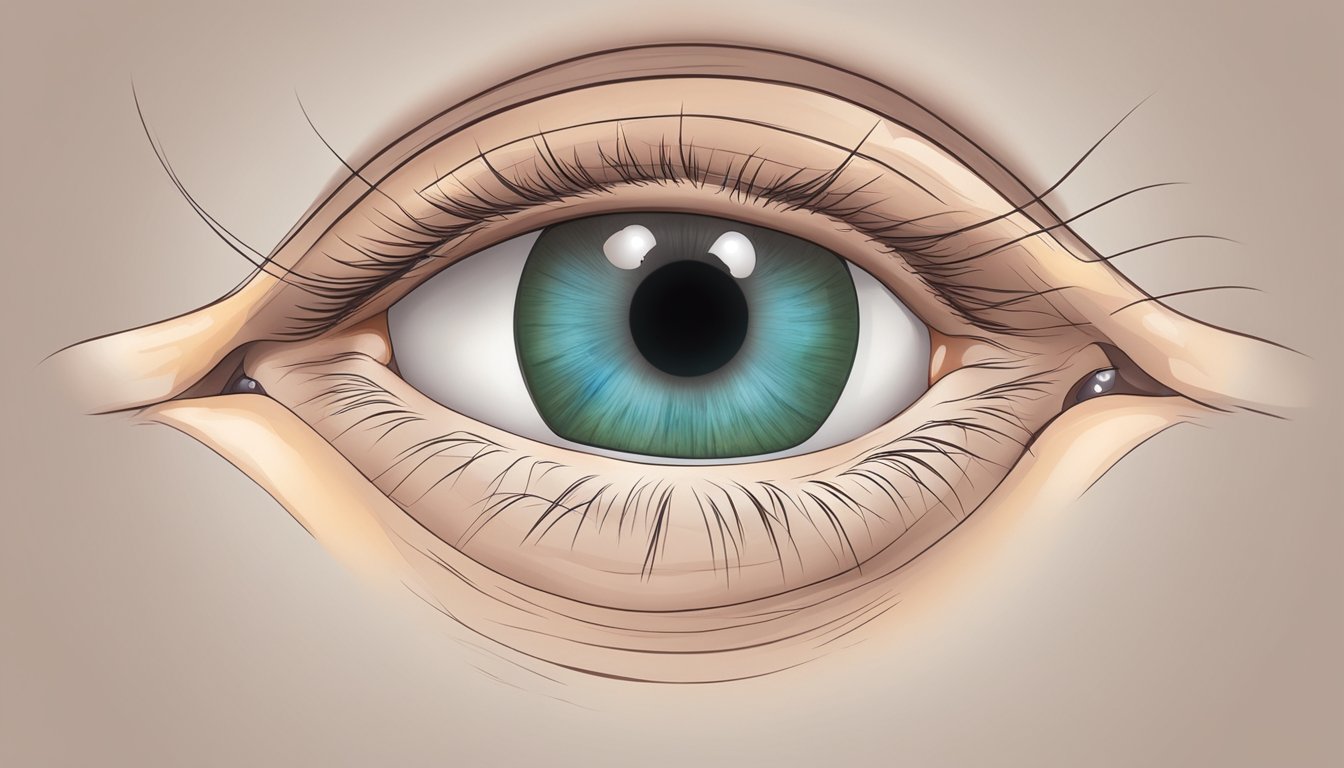
Graves’ disease is an autoimmune disorder that leads to hyperthyroidism, a condition in which the thyroid gland produces too much thyroid hormone. The thyroid gland is a butterfly-shaped gland located in the neck that produces hormones that regulate metabolism.
Role of Thyroid Hormones
Thyroid hormones play a vital role in the human body, affecting almost every organ system. They regulate the body’s metabolism, control body temperature, and influence heart rate and blood pressure. In Graves’ disease, the thyroid gland produces an excess of thyroid hormones, leading to hyperthyroidism. This overproduction of thyroid hormones leads to an increase in resting heart rate.
Autoimmune Factors
Graves’ disease is caused by an autoimmune response in which the immune system mistakenly attacks the thyroid gland. Antibodies, such as TSH receptor antibodies, bind to the thyroid gland and stimulate the production of thyroid hormones. This results in the enlargement of the thyroid gland, known as a goiter, and the overproduction of thyroid hormones, leading to hyperthyroidism.
Genetic factors may also play a role in the development of Graves’ disease. Certain genes have been associated with an increased risk of developing autoimmune disorders, including Graves’ disease.
In conclusion, Graves’ disease is an autoimmune disorder that leads to hyperthyroidism, which can cause an increase in resting heart rate. The overproduction of thyroid hormones is caused by an autoimmune response and genetic factors. It is important to seek medical attention if you suspect you may have Graves’ disease to manage the condition and prevent complications.
Cardiovascular Impact of Graves’ Disease
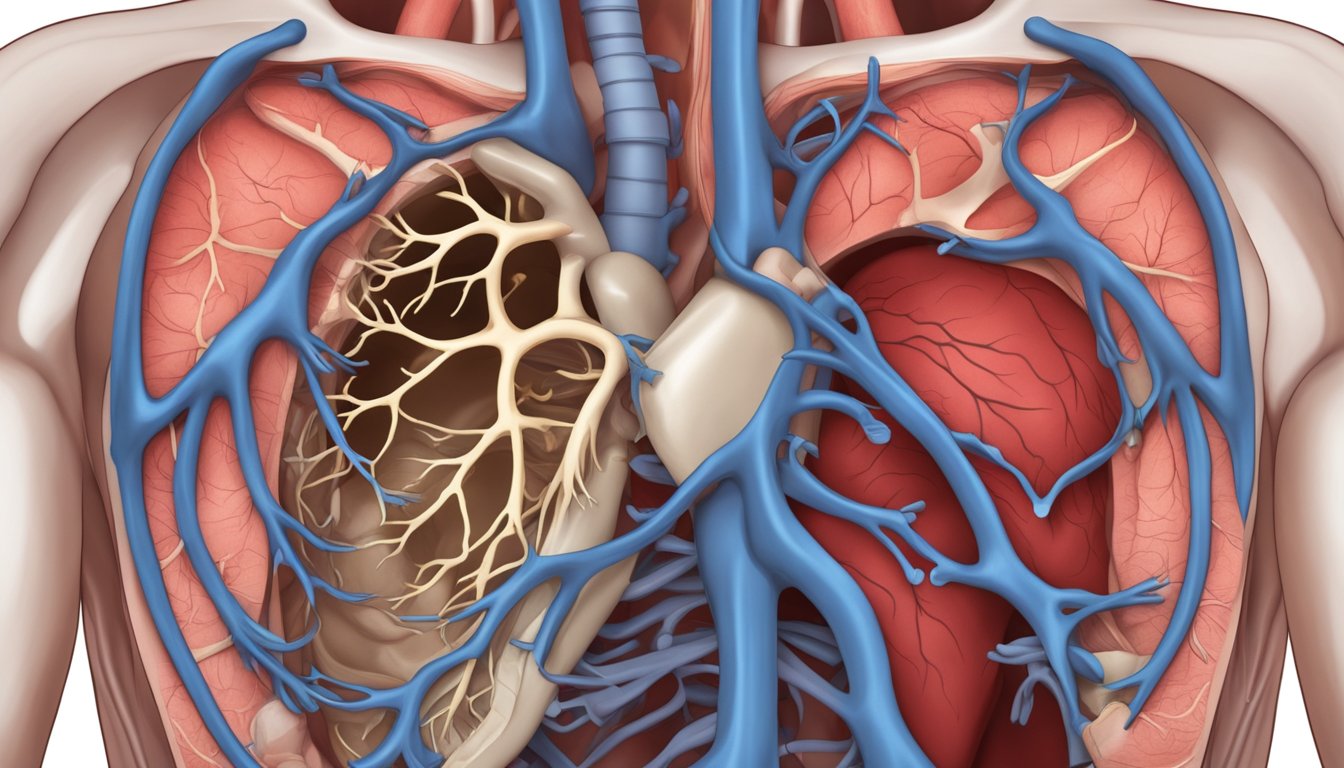
Graves’ disease is an autoimmune disorder that affects the thyroid gland, leading to an overproduction of thyroid hormones. This condition can have a significant impact on the cardiovascular system, including heart rate and rhythm abnormalities, as well as the development of cardiovascular complications.
Effects on Heart Rate and Rhythm
One of the most common cardiovascular symptoms associated with Graves’ disease is tachycardia, which is an abnormally fast resting heart rate. This can be due to the increased production of thyroid hormones, which can stimulate the heart and increase its rate of contraction. In addition to tachycardia, Graves’ disease can also cause other heart rhythm abnormalities, such as atrial fibrillation.
Atrial fibrillation is a condition where the upper chambers of the heart (the atria) beat irregularly and rapidly, which can lead to poor blood flow and an increased risk of stroke. Studies have shown that Graves’ disease is associated with an increased risk of atrial fibrillation, particularly in older patients or those with other cardiovascular risk factors.
Cardiovascular System Complications
In addition to heart rate and rhythm abnormalities, Graves’ disease can also lead to the development of other cardiovascular complications. These can include hypertension, congestive heart failure, and other forms of heart disease.
Hypertension is a common complication of Graves’ disease, as the increased production of thyroid hormones can lead to increased blood pressure. This can put a strain on the heart and increase the risk of other cardiovascular complications.
Congestive heart failure is a condition where the heart is unable to pump blood effectively, leading to a buildup of fluid in the lungs and other parts of the body. Graves’ disease can increase the risk of congestive heart failure, particularly in patients with pre-existing heart disease or other risk factors.
Overall, the cardiovascular impact of Graves’ disease can be significant, and patients with this condition should be closely monitored for the development of heart rate and rhythm abnormalities, as well as other cardiovascular complications. It is important for patients to work closely with their healthcare providers to manage their condition and reduce their risk of developing these complications.
Clinical Management of Graves’ Disease

Graves’ disease is an autoimmune disorder that affects the thyroid gland, resulting in the overproduction of thyroid hormones. This can lead to a range of symptoms, including an elevated resting heart rate. Clinical management of Graves’ disease typically involves a combination of antithyroid therapy and beta-blockers.
Antithyroid Therapy
Antithyroid drugs, such as methimazole and propylthiouracil, are commonly used to treat Graves’ disease. These drugs work by inhibiting the production of thyroid hormones. They can be used to achieve a euthyroid state, in which thyroid hormone levels are normal.
It is important to monitor thyroid function regularly during treatment with antithyroid drugs. This can be done by measuring levels of thyroid-stimulating hormone (TSH) and free thyroxine (FT4). If levels of FT4 are too low, the dose of antithyroid drugs may need to be reduced. If levels of FT4 are too high, the dose may need to be increased.
Beta-Blockers and Heart Rate Control
Beta-blockers are medications that can be used to control the symptoms of hyperthyroidism, including an elevated resting heart rate. These drugs work by blocking the effects of adrenaline on the heart. They can be used in conjunction with antithyroid drugs to achieve a euthyroid state.
It is important to monitor heart rate regularly during treatment with beta-blockers. If the resting heart rate is still elevated despite treatment with beta-blockers, other interventions may be necessary, such as radioactive iodine or thyroidectomy.
Overall, the clinical management of Graves’ disease requires careful monitoring of thyroid function and heart rate. Antithyroid drugs and beta-blockers are the mainstays of treatment, but other interventions may be necessary in some cases. It is important for patients with Graves’ disease to work closely with their healthcare provider to achieve optimal management of their condition.
Monitoring and Prognosis
Resting heart rate is an important parameter in the monitoring and prognosis of Graves’ disease. Patients with Graves’ disease typically present with a resting heart rate that is higher than normal. This is due to the hyperthyroid state caused by the disease, which increases the metabolic rate and leads to an increase in heart rate.
Symptoms of Graves’ disease can include palpitations, anxiety, weight loss, and fatigue. These symptoms can be exacerbated by a high resting heart rate, which can lead to a decreased quality of life for patients. It is important to monitor resting heart rate in patients with Graves’ disease to identify those who may be at risk for cardiovascular disease and to help manage symptoms.
Mortality rates for Graves’ disease are generally low, but complications can arise if the condition is not properly managed. Cardiovascular disease is a common complication of Graves’ disease, and a high resting heart rate can increase the risk of developing cardiovascular disease. Patients with a family history of cardiovascular disease, or who are over the age of 60, may be at increased risk.
In the United States, women are more likely to develop Graves’ disease than men. Women are also more likely to experience symptoms such as weight loss and anxiety. It is important to monitor resting heart rate in women with Graves’ disease to help manage symptoms and identify those who may be at increased risk for complications.
In conclusion, monitoring resting heart rate is an important aspect of managing Graves’ disease. Patients with a high resting heart rate may be at increased risk for complications such as cardiovascular disease. It is important to work with a healthcare professional to manage symptoms and monitor for potential complications.
Getting assessed in Singapore
In Singapore, cardiovascular assessment is available through both the public and private sectors. Which tests are appropriate depends on your symptoms, risk factors and history rather than on choosing the most extensive option available. A GP or polyclinic can arrange a referral to a cardiologist, or a private clinic can be approached directly.
If this is relevant to your own situation, you can read what is involved in an ECG or a 24-hour Holter ECG assessment, or browse the cardiac services list.
Frequently Asked Questions

What are the treatment options for increased heart rate due to hyperthyroidism?
The treatment options for increased heart rate due to hyperthyroidism include medication, radioiodine therapy, and surgery. Medications such as beta-blockers can help to reduce heart rate and manage symptoms. Radioiodine therapy involves the use of radioactive iodine to destroy the thyroid gland, which can help to reduce hyperthyroidism-related symptoms, including increased heart rate. Surgery, which involves the removal of the thyroid gland, may be recommended in some cases.
At what beats per minute is a hyperthyroidism-related heart rate considered abnormal?
A hyperthyroidism-related heart rate is considered abnormal when it exceeds 100 beats per minute. However, the severity of symptoms can vary depending on the individual and the underlying cause of hyperthyroidism.
How can hyperthyroidism lead to heart failure?
Hyperthyroidism can lead to heart failure by causing an increase in heart rate and blood pressure. This can put a strain on the heart and lead to the development of heart failure over time. Additionally, hyperthyroidism can cause changes in the structure and function of the heart muscles, which can further contribute to the development of heart failure.
What are the cardiovascular consequences of hyperthyroidism?
Hyperthyroidism can have a number of cardiovascular consequences, including an increased heart rate, high blood pressure, and an increased risk of atrial fibrillation and other heart rhythm disorders. Additionally, hyperthyroidism can lead to changes in the structure and function of the heart muscles, which can further contribute to cardiovascular complications.
Can physical activity be safely performed by individuals with Graves’ disease?
Physical activity can be safely performed by individuals with Graves’ disease, as long as it is done in consultation with a healthcare professional. It is important to monitor heart rate and symptoms during physical activity and to adjust the intensity and duration of exercise as needed.
What symptoms are associated with a flare-up of Graves’ disease?
Symptoms of a flare-up of Graves’ disease can include increased heart rate, sweating, tremors, weight loss, and fatigue. It is important to seek medical attention if any of these symptoms occur or worsen over time.
Please note that this information is intended for educational purposes only and should not be used as a substitute for professional medical advice. If you have any concerns about your health or the management of your condition, please consult a qualified healthcare professional.
Further reading
- HealthHub — Cardiovascular Disease
- Health Promotion Board — Healthy Living
- American Heart Association — Health Topics
Disclaimer: This article is general information about cardiovascular health. It is not medical advice, diagnosis or treatment, and reading it does not create a doctor–patient relationship. Always seek the advice of your doctor or another qualified health professional with any questions you have about a medical condition, and never disregard or delay seeking medical advice because of something you have read here. If you think you may be having a medical emergency, call 995 or go to the nearest emergency department.