

Heart stroke, also known as a stroke, is a medical emergency that occurs when the blood supply to the brain is interrupted or reduced. This can happen when a blood vessel in the brain is blocked or bursts, causing damage to the brain cells. A heart stroke can cause a range of symptoms, including weakness or numbness on one side of the body, difficulty speaking or understanding speech, and loss of vision.
Understanding the causes of heart stroke is important for preventing and managing the condition. There are several risk factors that can increase the likelihood of having a heart stroke, including high blood pressure, smoking, diabetes, and obesity. Other factors that can contribute to heart stroke include a family history of the condition, age, and gender.
Preventing heart stroke involves managing these risk factors and making lifestyle changes, such as quitting smoking, eating a healthy diet, and exercising regularly. It is also important to recognise the symptoms of heart stroke and seek medical attention immediately if they occur. Early treatment can help to minimise the damage caused by a heart stroke and improve the chances of recovery.
Key Takeaways
- Heart stroke is a medical emergency that occurs when the blood supply to the brain is interrupted or reduced.
- Risk factors for heart stroke include high blood pressure, smoking, diabetes, and obesity.
- Preventing heart stroke involves managing these risk factors and making lifestyle changes, as well as recognising the symptoms and seeking medical attention immediately.
Understanding Stroke
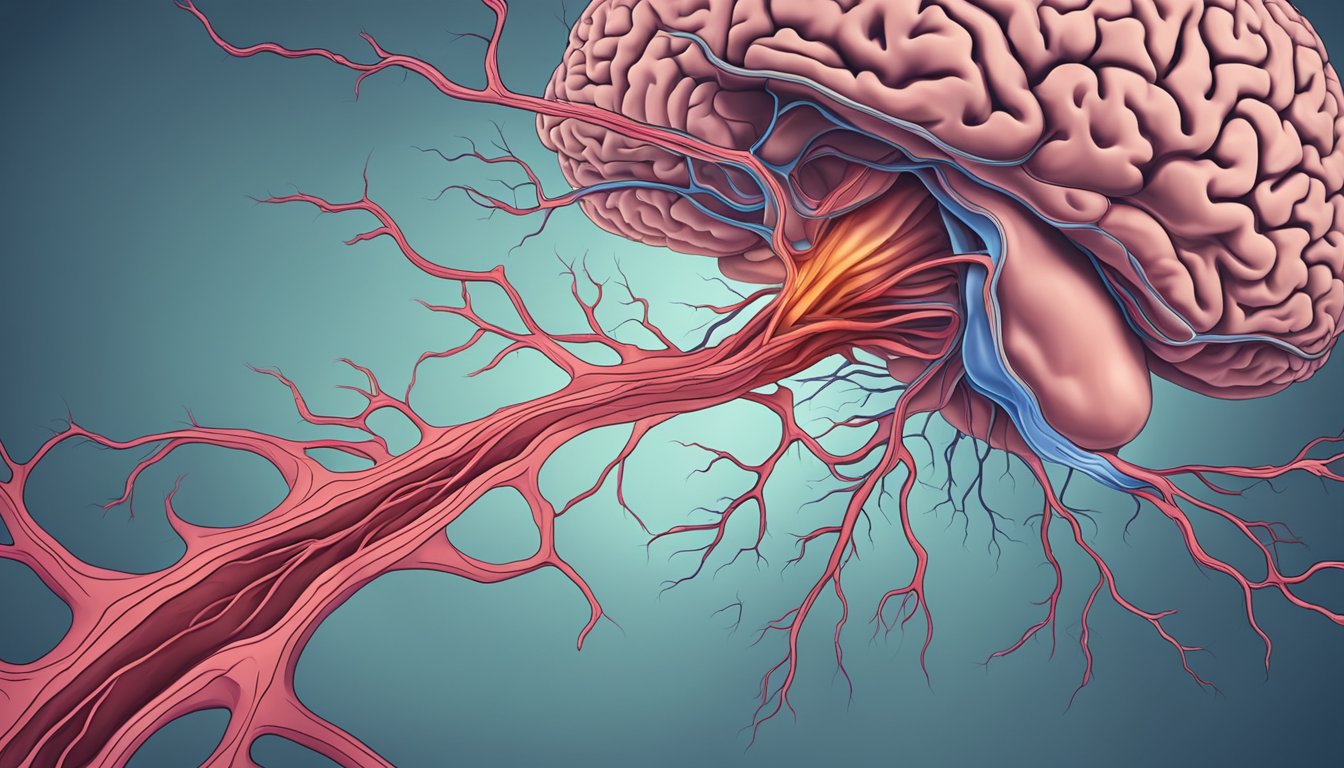
Stroke is a serious medical condition that occurs when the blood supply to the brain is interrupted or reduced. This can cause brain cells to die, leading to permanent brain damage or even death. It is important to understand the different types of stroke and the risk factors associated with them in order to prevent and manage stroke.
Types of Stroke
There are two main types of stroke: ischemic stroke and hemorrhagic stroke. Ischemic stroke occurs when a blood clot blocks a blood vessel in the brain, while hemorrhagic stroke occurs when a blood vessel in the brain ruptures and causes bleeding.
Transient ischemic attack (TIA), also known as a mini-stroke, is a temporary disruption of blood flow to the brain that can cause stroke-like symptoms but usually resolves within a few minutes to hours.
Risk Factors for Stroke
There are several risk factors associated with stroke, including high blood pressure, smoking, atrial fibrillation, diabetes, family history, age, race, and gender. High blood pressure is the most important risk factor for stroke, as it can damage the arteries and make them more likely to become blocked or burst.
Smoking can also increase the risk of stroke by damaging the lining of the arteries and causing them to narrow. Atrial fibrillation, a type of irregular heartbeat, can cause blood clots to form in the heart and travel to the brain, leading to stroke.
Diabetes can increase the risk of stroke by damaging the blood vessels and nerves in the body. Family history, age, race, and gender can also play a role in stroke risk, with older individuals, African Americans, and men being at higher risk.
It is important to manage these risk factors through lifestyle changes, such as quitting smoking, exercising regularly, and maintaining a healthy diet, as well as through medication when necessary. It is also important to seek medical attention immediately if stroke symptoms occur, as early treatment can help prevent permanent brain damage or death.
Disclaimer: The information provided in this section is for educational purposes only and should not be used as a substitute for professional medical advice. Always consult a healthcare provider if you have any questions or concerns about your health.
Causes and Prevention

Heart stroke is a serious medical condition that can lead to long-term disability or even death. There are several factors that can cause a heart stroke, but many of them can be prevented with lifestyle changes and medical treatment.
Lifestyle and Stroke Prevention
Lifestyle factors play a significant role in the development of heart stroke. High blood pressure, high cholesterol, obesity, and lack of exercise are some of the most common lifestyle factors that increase the risk of heart stroke. To prevent heart stroke, it is important to maintain a healthy lifestyle that includes regular exercise, a balanced diet, and avoiding alcohol and smoking.
Regular exercise can help to reduce blood pressure and cholesterol levels, which are two of the most significant risk factors for heart stroke. A balanced diet that is low in saturated fats and high in fruits, vegetables, and whole grains can also help to reduce the risk of heart stroke.
Medical Conditions and Stroke
In addition to lifestyle factors, there are several medical conditions that can increase the risk of heart stroke. These include diabetes, atrial fibrillation, and heart disease. Medications can be used to manage these conditions and reduce the risk of heart stroke.
It is important to work with a healthcare provider to manage any medical conditions that increase the risk of heart stroke. Medications may be prescribed to manage high blood pressure, high cholesterol, or other conditions that increase the risk of heart stroke.
In summary, heart stroke is a serious medical condition that can be prevented with lifestyle changes and medical treatment. Maintaining a healthy lifestyle that includes regular exercise and a balanced diet can help to reduce the risk of heart stroke. Managing medical conditions that increase the risk of heart stroke with medications and lifestyle changes can also help to prevent heart stroke.
Recognising Stroke Symptoms

Stroke is a medical emergency that requires immediate attention. Being able to recognise the symptoms of a stroke is crucial in order to seek medical help as soon as possible.
Immediate Signs of Stroke
The FAST acronym is an easy way to remember the immediate signs of a stroke:
- Face: Is the face drooping on one side?
- Arms: Is there weakness or numbness in one arm?
- Speech: Is speech slurred or garbled?
- Time: Time is critical. If you notice any of these signs, call emergency services immediately.
Other immediate signs of stroke may include sudden confusion, difficulty seeing in one or both eyes, trouble walking, dizziness, or severe headache with no apparent cause.
When to Seek Medical Help
If any of the immediate signs of a stroke are present, it is important to seek medical help immediately. The faster the person is treated, the better their chances of recovery.
It is also important to note that not all strokes present with the same symptoms. Some people may experience weakness or numbness on one side of the body, difficulty speaking or understanding speech, or sudden onset of a severe headache.
If you or someone you know is experiencing any of these symptoms, it is important to seek medical help immediately. Stroke is a medical emergency, and time is of the essence.
It is important to remember that stroke is a serious medical condition that requires immediate attention. If you suspect that you or someone you know is having a stroke, do not hesitate to call emergency services.
Stroke Diagnosis and Treatment

Diagnostic Procedures
When a patient is suspected to have suffered a stroke, diagnostic procedures are necessary to determine the type of stroke and the extent of the damage. The diagnostic process usually begins with a physical examination and medical history. The doctor may also order blood tests to check for underlying conditions such as high blood pressure, diabetes, or high cholesterol.
Imaging tests such as CT scans and MRIs are also used to diagnose stroke. CT scans can quickly detect bleeding in the brain, while MRIs can provide more detailed images of the brain. These tests can help determine the location and severity of the stroke.
Treatment Options
The treatment of stroke depends on the type of stroke and the severity of the symptoms. Treatment for ischemic stroke, which is caused by a blood clot, may involve the use of medications to dissolve the clot or surgery to remove it. In some cases, a combination of both approaches may be used.
For hemorrhagic stroke, which is caused by bleeding in the brain, surgery may be necessary to stop the bleeding. Medications may also be used to reduce the risk of further bleeding.
Post-Stroke Rehabilitation
After a stroke, rehabilitation is necessary to help patients recover as much function as possible. Rehabilitation may involve physical therapy to help patients regain strength, balance, and coordination. Speech therapy may also be necessary to help patients regain their ability to speak and swallow.
Rehabilitation can take several months or even years, depending on the severity of the stroke and the extent of the damage. It is important for patients to work closely with their healthcare team to develop a rehabilitation plan that is tailored to their individual needs.
It is important to note that stroke is a serious medical condition that requires prompt treatment. If you or someone you know is experiencing symptoms of stroke, seek medical attention immediately.
Frequently Asked Questions

What are the primary factors contributing to heart disease and stroke?
Heart disease and stroke can be caused by a variety of factors, including high blood pressure, high cholesterol, smoking, obesity, diabetes, and a family history of heart disease. Age, gender, and ethnicity can also play a role in the development of these conditions.
What are the common causes of stroke in females?
The common causes of stroke in females are similar to those in males. However, females may be more susceptible to certain risk factors, such as pregnancy, menopause, and the use of birth control pills. Hormonal changes can increase the risk of blood clots, which can lead to stroke.
How might one reduce the risk of heart disease?
Reducing the risk of heart disease involves making lifestyle changes, such as quitting smoking, maintaining a healthy weight, exercising regularly, and eating a balanced diet. Managing stress, getting enough sleep, and avoiding excessive alcohol consumption can also help reduce the risk of heart disease.
What treatments are available for heart stroke?
The treatment for heart stroke depends on the type and severity of the stroke. In some cases, medication may be prescribed to help dissolve blood clots and prevent further damage. Rehabilitation, including physical therapy and speech therapy, may also be necessary to help patients recover from a stroke.
What indications might precede a heart attack by a month?
Indications that might precede a heart attack by a month include chest pain, shortness of breath, fatigue, nausea, and lightheadedness. However, not all individuals experience these symptoms prior to a heart attack. It is important to seek medical attention immediately if you experience any of these symptoms.
How do the symptoms of a heart stroke manifest?
The symptoms of a heart stroke can vary depending on the severity of the stroke and the area of the brain affected. Common symptoms include sudden weakness or numbness on one side of the body, difficulty speaking or understanding speech, vision problems, dizziness, and severe headache. It is important to seek medical attention immediately if you experience any of these symptoms.
Please note that this information is not meant to replace medical advice. If you have any concerns about your health, please consult a healthcare professional.