

Heart disease is a leading cause of death worldwide, and early detection is key to successful treatment. Health screening for heart disease is an important step in identifying risk factors and detecting heart disease in its early stages. Through regular screenings, individuals can take steps to manage their risk factors and prevent the development of heart disease.
Understanding heart screenings is the first step in taking control of your heart health. Health screenings for heart disease typically involve a series of tests that assess your risk factors, including blood pressure, cholesterol levels, and blood sugar levels. These tests are usually administered by a medical professional and may be performed at a hospital, clinic, or doctor’s office.
Risk factors and eligibility for heart screenings may vary depending on your age, gender, and family history. Individuals who are at increased risk for heart disease, such as those with a family history of heart disease or those who smoke, may be eligible for earlier and more frequent screenings. It is important to speak with your healthcare provider about your individual risk factors and eligibility for heart screenings.
Key Takeaways
- Health screening for heart disease is an important step in identifying risk factors and detecting heart disease in its early stages.
- Understanding heart screenings is the first step in taking control of your heart health.
- Risk factors and eligibility for heart screenings may vary depending on your age, gender, and family history.
Understanding Heart Screenings
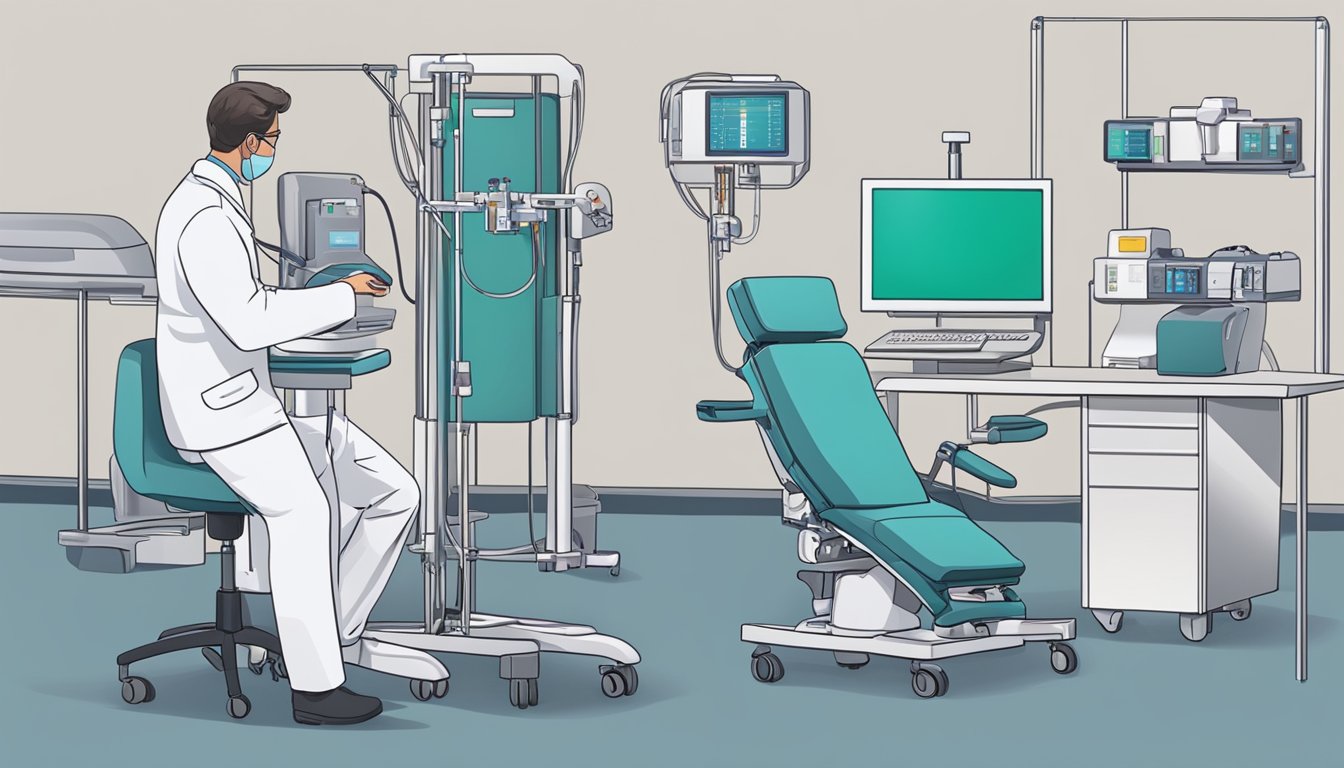
Heart screenings are an essential tool for detecting and preventing heart disease. They are recommended for individuals who are at high risk of developing heart disease or who have a family history of heart disease. Screenings can detect abnormalities or symptoms before they become serious health problems.
Importance of Early Detection
Early detection of heart disease is crucial for successful treatment. Screening tests can identify risk factors for heart disease, such as high blood pressure, high cholesterol, and diabetes. Individuals with these risk factors can then make lifestyle changes to reduce their risk of developing heart disease or manage the condition if it is already present.
Types of Heart Screening Tests
There are several types of heart screening tests, including blood tests, electrocardiograms (ECGs), echocardiograms, and coronary angiograms. Blood tests can detect high cholesterol levels and other risk factors for heart disease. ECGs measure the electrical activity of the heart and can detect abnormalities in heart rhythm. Echocardiograms use ultrasound technology to produce images of the heart and can detect structural abnormalities. Coronary angiograms involve the injection of a dye into the bloodstream to visualize the blood vessels of the heart and detect blockages.
Screening for Specific Heart Conditions
Screening tests can also be used to detect specific heart conditions, such as atrial fibrillation, heart valve disease, and heart failure. Symptoms of these conditions can include shortness of breath, chest pain, and fatigue. If these symptoms are present, individuals should seek medical attention and discuss the possibility of heart screening tests with their healthcare provider.
It is important to note that not all screening tests are necessary or helpful. Healthcare providers can help individuals determine which screening tests are appropriate based on their individual risk factors and medical history. Additionally, abnormal results from screening tests may require further testing or evaluation by a specialist.
It is important to take heart health seriously and to discuss any concerns or symptoms with a healthcare provider. Screening tests can be an important tool for detecting and preventing heart disease, but they should always be used in conjunction with other preventative measures, such as regular exercise, a healthy diet, and not smoking.
Risk Factors and Eligibility

Health screening for heart disease is an important step in maintaining a healthy heart. However, not everyone needs to undergo screening. Eligibility for heart screening is based on several risk factors that may increase the likelihood of developing heart disease.
Age and Heart Health
Age is an important factor in determining eligibility for heart screening. Men over the age of 45 and women over the age of 55 are at a higher risk of developing heart disease. However, younger individuals with a family history of heart disease or other risk factors may also be eligible for screening.
Family History and Genetic Predispositions
Family history plays a crucial role in determining eligibility for heart screening. Individuals with a family history of heart disease are at a higher risk of developing the condition themselves. Genetic predispositions to heart disease can also increase the likelihood of developing the condition. If an individual has a family history of heart disease or has a genetic predisposition to the condition, they may be eligible for heart screening.
Lifestyle and Environmental Considerations
Lifestyle and environmental factors can also increase the risk of developing heart disease. Smoking, high blood pressure, diabetes, and obesity are all risk factors that can increase the likelihood of developing heart disease. Individuals who smoke, have high blood pressure, diabetes, or are obese may be eligible for heart screening.
It is important to note that eligibility for heart screening is determined on a case-by-case basis. Individuals with pre-existing conditions or other risk factors may also be eligible for heart screening. It is recommended that individuals speak with their healthcare provider to determine their eligibility for heart screening.
It is important to remember that heart screening is not a substitute for regular visits to a healthcare provider. Screening can help detect potential heart problems early, but it is not a guarantee of good heart health. Individuals should continue to follow a healthy lifestyle, including regular exercise and a balanced diet, to maintain good heart health.
The Screening Process
Preparing for Your Appointment
Before attending a health screening appointment for heart disease, it is important to prepare accordingly. Patients should bring their medical history and any relevant medical records to the appointment. This will help the healthcare professional to better understand the patient’s medical background and identify any potential risk factors.
It is also recommended that patients fast for at least 8 hours before the appointment. This means avoiding food and drink, except water, for the duration of the fast. This is because fasting can help to ensure accurate blood test results.
What to Expect During Screening
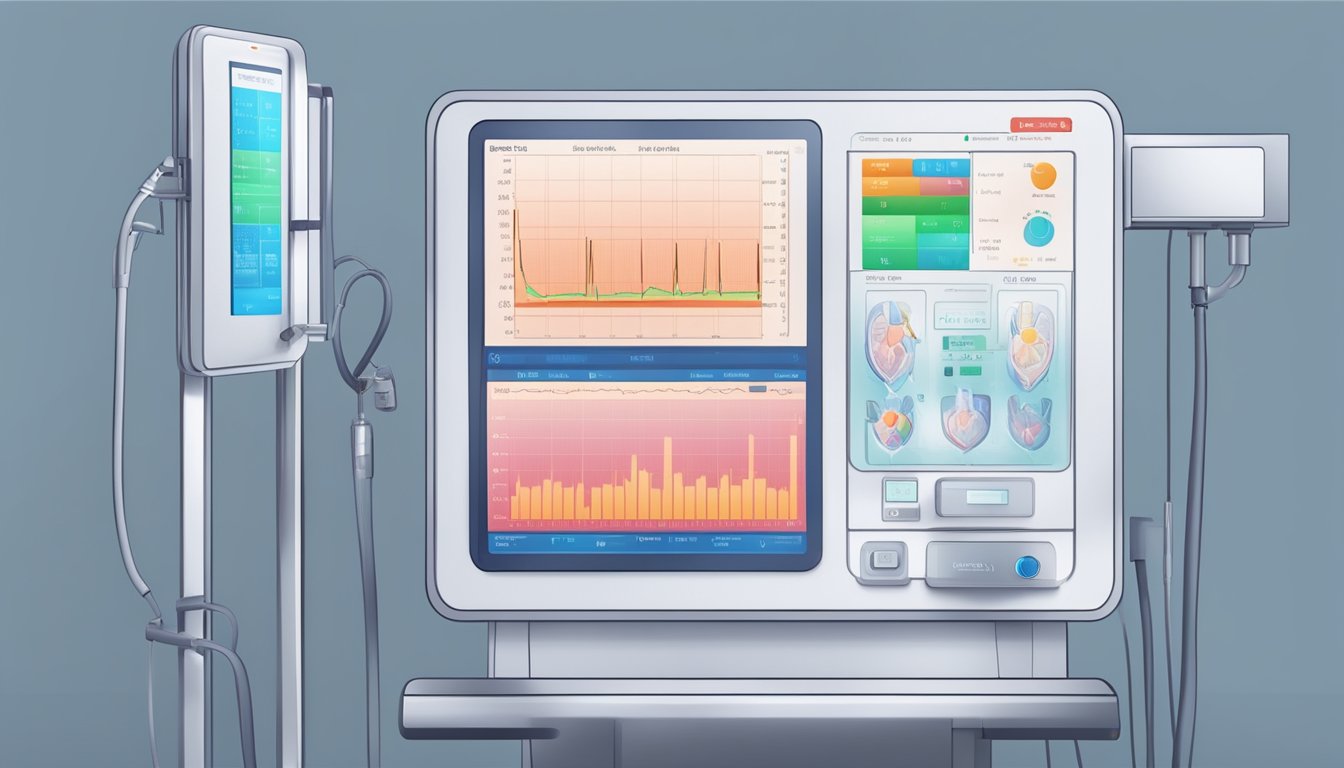
During the health screening appointment, the healthcare professional will conduct a physical examination and check the patient’s blood pressure and blood sugar levels. They may also conduct a lipid profile test, which measures the levels of cholesterol and triglycerides in the blood.
In some cases, the healthcare professional may also recommend a treadmill test. This test involves walking or running on a treadmill while the healthcare professional monitors the patient’s heart rate and blood pressure. This test can help to identify any potential heart problems.
It is important to note that health screening tests are not foolproof and may not detect all potential health problems. Patients should always consult with their healthcare professional if they have any concerns or symptoms.
Post-Screening Considerations

Interpreting Screening Results
After undergoing a heart screening, it is important to understand the results and what they mean for your heart health. The screening results will provide information on various factors such as blood pressure, cholesterol levels, and blood sugar levels. If the results show any abnormalities, it is recommended to consult with a cardiologist or a healthcare professional who specializes in heart health.
It is important to note that screening results are not always definitive and may require further testing or evaluation. False positives and false negatives can occur, and it is vital to discuss any concerns or questions with a healthcare professional.
Treatment and Management Options
Depending on the screening results, treatment and management options may vary. In some cases, lifestyle changes such as diet and physical activity may be recommended to improve heart health. For individuals with underlying conditions such as type 2 diabetes or blockage in blood vessels, further medical treatment may be required.
It is important to follow the recommended treatment and management options provided by a healthcare professional to ensure optimal heart health. In some cases, medication or surgery may be necessary to prevent further damage or infection.
It is important to note that heart diseases can be prevented or managed with proper screening, treatment, and management. A healthy diet, regular physical activity, and avoiding smoking can significantly reduce the risk of heart diseases. It is recommended to consult with a healthcare professional for personalized advice and recommendations.
Getting assessed in Singapore
In Singapore, cardiovascular assessment is available through both the public and private sectors. Which tests are appropriate depends on your symptoms, risk factors and history rather than on choosing the most extensive option available. A GP or polyclinic can arrange a referral to a cardiologist, or a private clinic can be approached directly.
If you want to know how this is assessed in practice, see screening for heart disease or general health screening, or review the preventive cardiology programme.
This sits alongside why regular cardiac check-ups matter.
Frequently Asked Questions

What tests are commonly performed during a cardiac health assessment?
During a cardiac health assessment, a number of tests may be performed to evaluate the health of one’s heart. These tests may include an electrocardiogram (ECG), echocardiogram, stress test, and blood tests to check for cholesterol and other risk factors. In some cases, a cardiac MRI or CT scan may also be recommended.
Which clinics offer comprehensive heart health evaluations in Singapore?
There are several clinics in Singapore that offer comprehensive heart health evaluations. These clinics may include private hospitals, public hospitals, and specialized heart clinics. Some of these clinics include the National Heart Centre Singapore, Mount Elizabeth Hospital, and Raffles Hospital.
What does a standard heart screening package entail?
A standard heart screening package typically includes a number of tests to evaluate one’s heart health. These tests may include an electrocardiogram (ECG), echocardiogram, stress test, and blood tests to check for cholesterol and other risk factors. In some cases, a cardiac MRI or CT scan may also be recommended. The specific tests included in a heart screening package may vary depending on the clinic or hospital offering the package.
How often should one undergo cardiovascular screening?
The frequency of cardiovascular screening may vary depending on one’s age, overall health, and family history of heart disease. Generally, it is recommended that individuals undergo cardiovascular screening every 3-5 years starting at age 20. However, individuals with a higher risk of heart disease may need to undergo screening more frequently.
Are there any free cardiac screening services available?
In Singapore, there are several free cardiac screening services available. These services may be offered by government organizations such as the Health Promotion Board or community organizations. However, it is important to note that these free services may not include all of the tests included in a comprehensive heart health evaluation.
What guidelines are followed for cardiovascular screenings?
In Singapore, cardiovascular screenings are typically conducted in accordance with guidelines established by the Ministry of Health. These guidelines may include recommendations for the specific tests to be performed, the frequency of screening, and the age at which screening should begin. It is important to consult with a healthcare professional to determine the most appropriate screening schedule based on one’s individual risk factors and health history.
Further reading
- National Heart Centre Singapore — Conditions & Treatments
- HealthHub — Cardiovascular Disease
- SingHealth — Conditions & Treatments
Disclaimer: This article is general information about cardiovascular health. It is not medical advice, diagnosis or treatment, and reading it does not create a doctor–patient relationship. Always seek the advice of your doctor or another qualified health professional with any questions you have about a medical condition, and never disregard or delay seeking medical advice because of something you have read here. If you think you may be having a medical emergency, call 995 or go to the nearest emergency department.