

Earlobe creases have long been associated with heart disease, with some studies suggesting that the presence of a diagonal earlobe crease (DELC), also known as Frank’s sign, can be a predictor of cardiovascular events. While the exact mechanism behind this association is not yet fully understood, several theories have been proposed, including a shared embryological origin between the earlobe and the heart or a potential link between earlobe creases and atherosclerosis.
Understanding Earlobe Creases Earlobe creases are deep wrinkles or grooves that extend from the bottom of the earlobe to the edge of the ear. They are a common feature of aging and are believed to be caused by a loss of elasticity in the skin due to a decrease in collagen production. While earlobe creases are generally harmless, they have been associated with a number of health conditions, including heart disease.
Clinical Relevance and Research The association between earlobe creases and heart disease was first reported in the 1970s, and since then, numerous studies have investigated this link. While some studies have found a significant association between earlobe creases and cardiovascular events, others have been inconclusive or have found no association. Despite this, many healthcare professionals continue to view the presence of a DELC as a potential marker of increased cardiovascular risk.
Key Takeaways
- Earlobe creases are deep wrinkles or grooves that extend from the bottom of the earlobe to the edge of the ear and are associated with a number of health conditions, including heart disease.
- While the exact mechanism behind the association between earlobe creases and heart disease is not yet fully understood, several theories have been proposed.
- While some studies have found a significant association between earlobe creases and cardiovascular events, others have been inconclusive or have found no association.
Understanding Earlobe Creases
Anatomy of the Earlobe
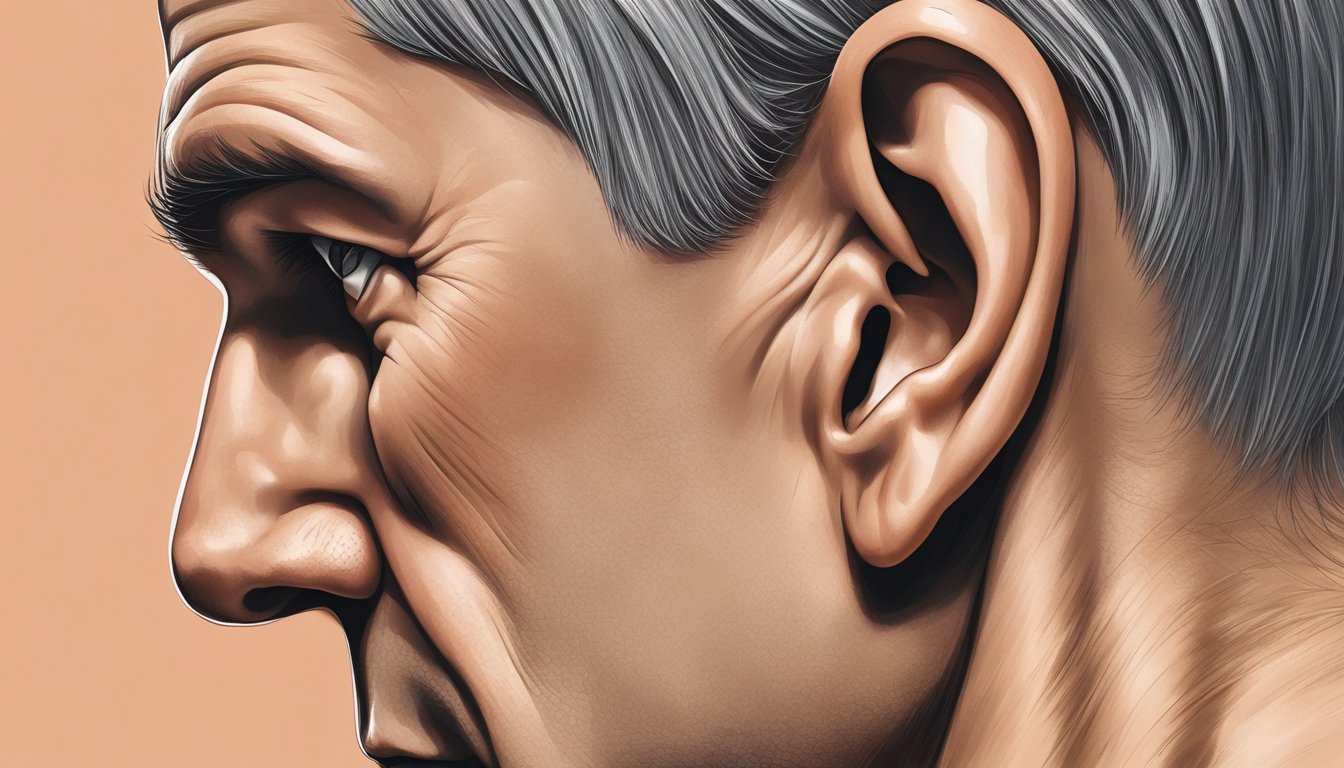
The earlobe, also known as the lobule of the ear, is the soft, fleshy lower part of the external ear. It is composed of skin, connective tissue, and adipose tissue. The earlobe has a rich blood supply, which makes it a useful site for blood sampling.
The Phenomenon of Diagonal Earlobe Creases
Diagonal earlobe creases (DELCs) are deep creases or wrinkles that extend diagonally from the tragus of the ear to the earlobe. DELCs are sometimes referred to as Frank’s sign, after the physician who first described the association between earlobe creases and heart disease.
Research has shown that DELCs are more common in people with heart disease than in those without. However, it is important to note that not all people with DELCs have heart disease, and not all people with heart disease have DELCs.
Historical Perspective: Frank’s Sign and Emperor Hadrian
Frank’s sign is named after Dr. Sanders T. Frank, who first described the association between earlobe creases and heart disease in 1973. However, the phenomenon of earlobe creases has been noted for centuries.
The Roman Emperor Hadrian (AD 76-138) is said to have had diagonal earlobe creases, and some historians believe that he died of heart disease. However, this cannot be confirmed, and the association between earlobe creases and heart disease was not formally recognized until the 20th century.
It is important to note that while DELCs may be a sign of heart disease, they are not a definitive diagnostic tool. If you are concerned about your heart health, it is important to consult a healthcare professional.
Clinical Relevance and Research

Statistical Association with Cardiovascular Diseases
The earlobe crease (ELC) has been reported as a dermatological sign that is potentially associated with coronary artery disease (CAD). The presence of ELC has been linked to an increased risk of CAD, with studies showing a sensitivity of 80% and specificity of 59% for diagnosing CAD. However, it is important to note that the ELC is not a definitive marker of CAD and other risk factors should also be considered.
Interpreting the Earlobe Crease as a Marker
The ELC is thought to be a result of decreased elasticity in the skin due to atherosclerosis, which is a major contributor to CAD. However, the exact mechanism behind the relationship between ELC and CAD is still unclear. It is important to interpret the ELC in conjunction with other risk factors and clinical symptoms of CAD.
Epidemiological Evidence
Several epidemiological studies have investigated the association between ELC and CAD. A prospective cohort study involving 1,000 participants found that the presence of ELC was associated with a significantly increased risk of CAD, even after adjusting for other risk factors such as age, sex, and smoking status. Another cross-sectional study involving 2,000 participants found that the presence of ELC was associated with an increased prevalence of CAD.
It is important to note that while the ELC may be a useful clinical marker for identifying individuals at risk of CAD, further research is needed to fully understand the relationship between ELC and CAD. Additionally, the ELC should not be used as the sole diagnostic tool for CAD and should be interpreted in conjunction with other clinical and laboratory findings.
Risk Factors and Comorbidities
Correlation with Traditional and Known Risk Factors
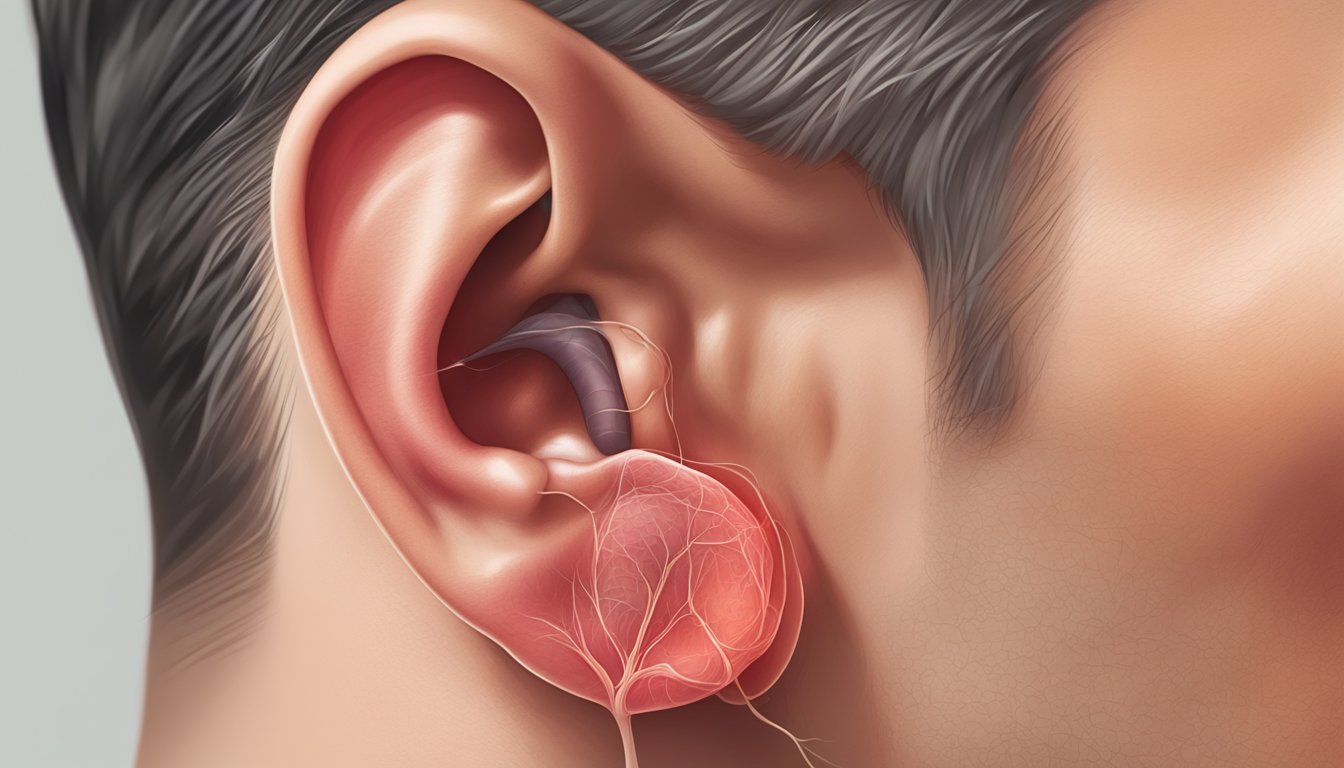
The earlobe crease (ELC) has been identified as a possible marker of coronary artery disease (CAD) and is associated with traditional and known risk factors such as age, hypertension, smoking, and dyslipidemia. Studies have shown that the presence of ELC is more common in individuals with CAD compared to those without CAD.
Association with Metabolic Syndrome and Diabetes
Metabolic syndrome and diabetes are also known risk factors for CAD. Several studies have shown that the presence of ELC is associated with metabolic syndrome and diabetes. In a study conducted on a Japanese population, the presence of ELC was found to be significantly associated with metabolic syndrome, even after adjusting for traditional risk factors such as age, sex, and body mass index (BMI).
Other Indicators of Vascular Health
In addition to the traditional and known risk factors, the presence of ELC has also been associated with other indicators of vascular health, such as atherosclerosis, endothelial dysfunction, and arterial stiffness. A study conducted on a Korean population found that the presence of ELC was significantly associated with increased carotid intima-media thickness, which is a marker of subclinical atherosclerosis.
It is important to note that the presence of ELC alone cannot be used as a definitive diagnostic tool for CAD or other vascular diseases. Further research is needed to establish the exact relationship between ELC and CAD, as well as to identify other potential risk factors and comorbidities associated with ELC.
It is recommended that individuals with traditional and known risk factors for CAD, as well as those with metabolic syndrome and diabetes, undergo regular screening and monitoring for cardiovascular disease, including ELC assessment. Those with ELC should consult with their healthcare provider to determine appropriate preventive measures and treatment options.
Implications for Diagnosis and Management

Incorporating Earlobe Creases into Clinical Assessment
The presence of earlobe creases, also known as Frank’s sign, has been associated with an increased risk of coronary artery disease (CAD). As such, healthcare professionals should consider incorporating earlobe creases into their clinical assessment of patients presenting with symptoms of CAD. While earlobe creases alone are not diagnostic of CAD, they can be used as a marker of increased risk, especially in patients with other risk factors such as hypertension, diabetes, and a family history of CAD.
Impact on Patient Counselling and Management Strategies
The identification of earlobe creases in a patient can have significant implications for patient counselling and management strategies. Patients with earlobe creases should be advised to adopt a healthy lifestyle, including regular exercise, a balanced diet, and smoking cessation, to reduce their risk of CAD. Additionally, patients with earlobe creases and other risk factors for CAD may benefit from more aggressive management strategies, such as medication and invasive procedures.
Future Directions in Medical Research
While the association between earlobe creases and CAD has been well established, the underlying mechanisms are still unclear. Further research is needed to determine the exact pathophysiological basis of this association and to identify other physical signs that may be useful in the diagnosis and management of CAD. In addition, future studies should investigate the utility of incorporating earlobe creases into existing risk assessment tools to improve the accuracy of CAD risk prediction.
In conclusion, the identification of earlobe creases in a patient can provide valuable information for the diagnosis and management of CAD. Healthcare professionals should consider incorporating earlobe creases into their clinical assessment of patients presenting with symptoms of CAD, and patients with earlobe creases should be advised to adopt a healthy lifestyle and may benefit from more aggressive management strategies. Further research is needed to fully understand the implications of earlobe creases in the diagnosis and management of CAD.
Getting assessed in Singapore
In Singapore, cardiovascular assessment is available through both the public and private sectors. Which tests are appropriate depends on your symptoms, risk factors and history rather than on choosing the most extensive option available. A GP or polyclinic can arrange a referral to a cardiologist, or a private clinic can be approached directly.
If you want to know how this is assessed in practice, see screening for heart disease or general health screening, or review the preventive cardiology programme.
This sits alongside advanced diagnostic tools.
Frequently Asked Questions

Is there a correlation between earlobe creases and cardiac disease?
Studies have shown that there is a correlation between earlobe creases and cardiac disease. Although not all individuals with earlobe creases develop heart disease, the presence of a diagonal earlobe crease (DELC), also known as Frank’s sign, may indicate an increased risk of developing heart disease.
What does the presence of Frank’s sign on the earlobe suggest about heart health?
The presence of Frank’s sign on the earlobe suggests that an individual may have an increased risk of developing heart disease. However, it is important to note that the presence of Frank’s sign alone is not a definitive indicator of heart disease. Other factors, such as family history, lifestyle factors, and other medical conditions, may also contribute to an individual’s risk of developing heart disease.
Are earlobe creases a reliable indicator for heart disease diagnosis?
While earlobe creases may indicate an increased risk of developing heart disease, they are not a reliable indicator for heart disease diagnosis. It is important to consult with a healthcare professional for an accurate diagnosis of heart disease.
What actions should one take upon noticing a crease in their earlobe?
If an individual notices a crease in their earlobe, they should consult with a healthcare professional. The healthcare professional may recommend further testing and evaluation to assess the individual’s risk of developing heart disease.
How can earlobe examination contribute to early detection of cardiac conditions?
Earlobe examination may contribute to early detection of cardiac conditions by identifying individuals who may be at an increased risk of developing heart disease. However, it is important to note that earlobe examination alone is not sufficient for the diagnosis of heart disease.
What facial markers besides earlobe creases might signify underlying heart disease?
In addition to earlobe creases, other facial markers that may signify underlying heart disease include xanthelasma (yellowish deposits of cholesterol under the skin), arcus senilis (a white or gray ring around the cornea), and a hump on the back of the neck. However, it is important to note that the presence of these facial markers alone is not a definitive indicator of heart disease. An accurate diagnosis of heart disease requires a comprehensive evaluation by a healthcare professional.
Further reading
- National Heart Centre Singapore — Conditions & Treatments
- HealthHub — Cardiovascular Disease
- SingHealth — Conditions & Treatments
Disclaimer: This article is general information about cardiovascular health. It is not medical advice, diagnosis or treatment, and reading it does not create a doctor–patient relationship. Always seek the advice of your doctor or another qualified health professional with any questions you have about a medical condition, and never disregard or delay seeking medical advice because of something you have read here. If you think you may be having a medical emergency, call 995 or go to the nearest emergency department.