
Vitamin E is a fat-soluble nutrient and a potent antioxidant that helps protect the body’s cells from damage caused by free radicals. It plays a crucial role in maintaining cardiovascular health by preventing the oxidation of LDL (bad) cholesterol and reducing inflammation in the blood vessels. Vitamin E is available in dietary sources such as nuts, seeds, vegetable oils, and leafy green vegetables.
Studies have suggested that vitamin E may reduce the risk of developing heart disease by preventing the formation of blood clots, improving blood vessel function, and reducing inflammation in the body. However, the evidence is mixed, and some studies have shown no significant benefit of vitamin E supplementation on heart health. Therefore, it is essential to consult a healthcare professional before starting vitamin E supplements to ensure that it is safe and effective for individual use.
In summary, vitamin E is an essential nutrient that plays a vital role in maintaining cardiovascular health. While some studies have suggested that vitamin E may reduce the risk of heart disease, the evidence is mixed. Therefore, it is crucial to consult a healthcare professional before starting vitamin E supplements.
Key Takeaways
- Vitamin E is a fat-soluble nutrient and a potent antioxidant that helps protect the body’s cells from damage caused by free radicals.
- Studies have suggested that vitamin E may reduce the risk of developing heart disease, but the evidence is mixed.
- It is essential to consult a healthcare professional before starting vitamin E supplements to ensure that it is safe and effective for individual use.
The Role of Vitamin E in Cardiovascular Health

Vitamin E is a fat-soluble vitamin and an important antioxidant that plays a crucial role in protecting cells from oxidative stress. It is also known for its potential benefits in maintaining heart health. This section will explore the role of vitamin E in cardiovascular health, including its antioxidant properties and impact on blood pressure and cholesterol levels.
Antioxidant Properties and Heart Disease
Oxidative stress is a process that occurs when there is an imbalance between free radicals and antioxidants in the body. Free radicals are unstable molecules that can damage cells and contribute to the development of many chronic diseases, including heart disease. Antioxidants, such as vitamin E, neutralize free radicals and protect cells from damage.
Studies have suggested that vitamin E may help reduce the risk of atherosclerosis, a condition in which plaque builds up in the arteries and can lead to heart disease. This is because vitamin E can help prevent the oxidation of low-density lipoprotein (LDL) cholesterol, which is a major contributor to the development of atherosclerosis.
Impact on Blood Pressure and Cholesterol Levels
High blood pressure and high cholesterol levels are two major risk factors for heart disease. Research has suggested that vitamin E may help improve both of these factors.
One study found that supplementation with vitamin E for 16 weeks significantly reduced blood pressure in individuals with hypertension. Another study found that vitamin E supplementation improved endothelial function, which is important for maintaining healthy blood vessels.
In terms of cholesterol levels, vitamin E has been shown to reduce the oxidation of LDL cholesterol, which can help prevent the formation of plaque in the arteries. Additionally, some studies have suggested that vitamin E supplementation may help increase levels of high-density lipoprotein (HDL) cholesterol, which is often referred to as “good” cholesterol.
Overall, while more research is needed to fully understand the role of vitamin E in cardiovascular health, current evidence suggests that it may have potential benefits in protecting against heart disease. However, it is important to note that vitamin E supplementation should not be used as a substitute for other proven methods of maintaining heart health, such as a healthy diet and regular exercise. As with any supplement, individuals should speak to their healthcare provider before taking vitamin E to ensure it is safe and appropriate for them.
Vitamin E and Disease Prevention
Vitamin E is a fat-soluble vitamin that plays an important role in maintaining good health. It is a potent antioxidant that helps protect cells from damage caused by free radicals, which are unstable molecules that can harm cells and contribute to the development of chronic diseases.
Reducing the Risk of Cardiovascular Disease
Cardiovascular disease (CVD) is a leading cause of death worldwide. Observational studies have suggested that vitamin E may help reduce the risk of CVD by preventing the oxidation of low-density lipoprotein (LDL) cholesterol, which is a major risk factor for heart disease. However, the results of clinical trials have been mixed, with some studies showing no benefit of vitamin E therapy on cardiovascular outcomes.
In a meta-analysis of 19 randomized controlled trials, it was found that vitamin E supplementation did not significantly reduce the risk of major cardiovascular events or death from any cause. However, the analysis did suggest that vitamin E supplementation may be beneficial in certain subgroups of patients, such as those with diabetes mellitus or those with a history of CVD.
Vitamin E’s Influence on Diabetes and Stroke
Diabetes mellitus is a chronic condition characterized by high levels of glucose in the blood. It is a major risk factor for CVD and stroke. Some studies have suggested that vitamin E supplementation may help improve glucose control in patients with diabetes, although the evidence is not conclusive.
Stroke is a serious neurological condition that can cause long-term disability and death. Observational studies have suggested that vitamin E may help reduce the risk of stroke by preventing the oxidation of LDL cholesterol and improving blood flow to the brain. However, the results of clinical trials have been mixed, with some studies showing no benefit of vitamin E therapy on stroke outcomes.
Overall, while some studies have suggested that vitamin E may have a role in the primary prevention of CVD and stroke, the evidence is not conclusive. Vitamin E therapy should not be used as a substitute for proven therapies for these conditions. Patients should consult their healthcare providers before starting any new therapies, including vitamin E supplementation.
Nutritional Sources and Supplementation
Dietary Sources of Vitamin E
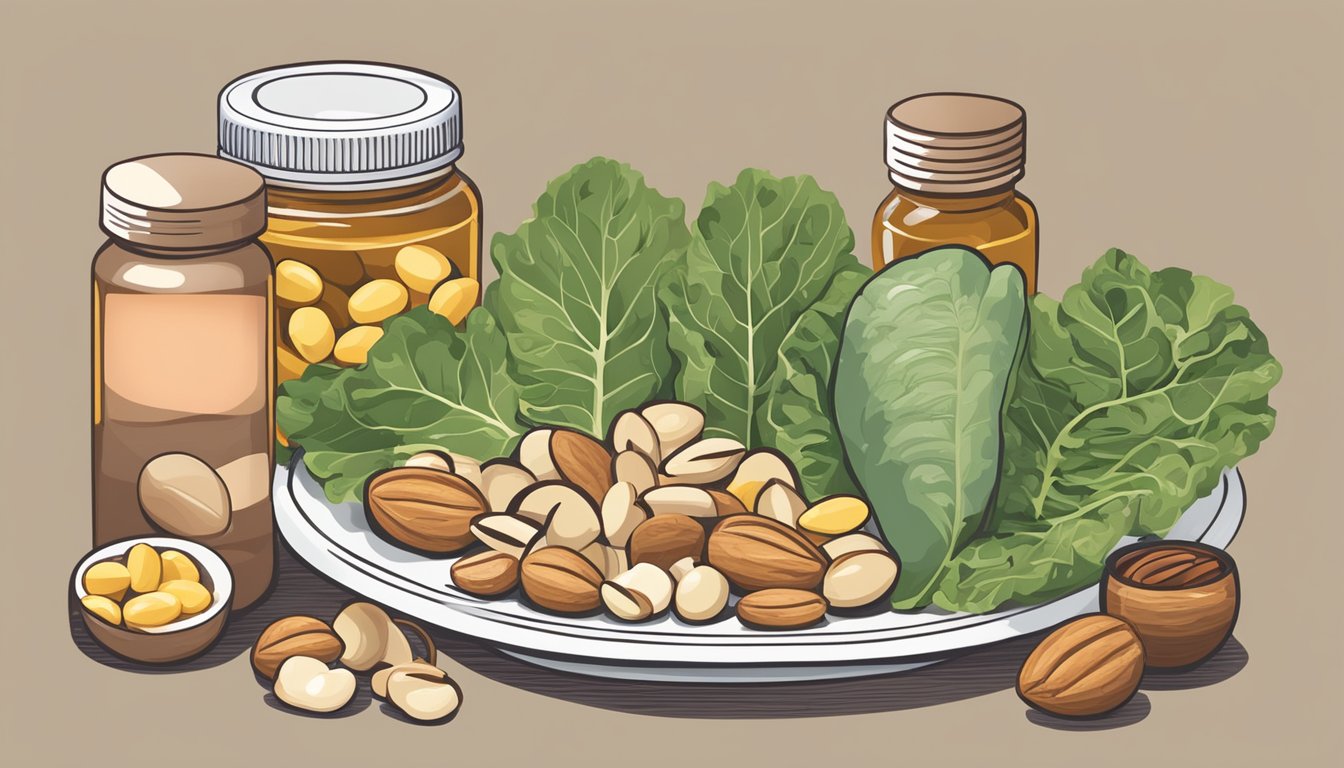
Vitamin E is a fat-soluble vitamin that is found in a variety of foods. The most common dietary sources of vitamin E include nuts, seeds, and vegetables. Some of the best sources of vitamin E include almonds, hazelnuts, sunflower seeds, spinach, and broccoli.
It is important to note that vitamin E is a group of eight different compounds, including four tocopherols and four tocotrienols. Alpha-tocopherol is the most common and biologically active form of vitamin E found in the human body. However, other forms of vitamin E, such as gamma-tocopherol, may also have important health benefits.
Supplements and Therapeutic Use
While it is possible to get enough vitamin E from the diet alone, some people may benefit from taking dietary supplements. High dose vitamin E supplements have been used in therapeutic settings to treat a variety of conditions, including cardiovascular disease.
The Cambridge Heart Antioxidant Study (CHAOS) found that vitamin E supplementation (400-800 IU/d of RRR-alpha-tocopherol) in patients with angiographically proven coronary atherosclerosis reduced the risk of combined cardiovascular death and nonfatal myocardial infarction by 47% after a mean of 17 months.
It is important to note that high dose vitamin E supplements should only be taken under the guidance of a healthcare professional. While vitamin E is generally considered safe, high doses can increase the risk of bleeding and may interact with certain medications.
In addition to alpha-tocopherol, other forms of vitamin E, such as tocotrienols, may have unique health benefits. However, more research is needed to fully understand the potential therapeutic uses of these compounds.
Overall, a diet rich in nuts, seeds, and vegetables can provide adequate amounts of vitamin E for most people. However, those with certain medical conditions may benefit from vitamin E supplementation under the guidance of a healthcare professional.
Safety and Side Effects
Interactions with Medications
Vitamin E supplements may interact with certain medications, particularly anticoagulants such as warfarin. This can increase the risk of bleeding. Therefore, individuals taking anticoagulants should consult their doctor before taking vitamin E supplements.
Vitamin E supplements can also interact with other medications such as statins, which are used to lower cholesterol levels. This can cause adverse effects such as muscle pain and weakness. Therefore, individuals taking statins should consult their doctor before taking vitamin E supplements.
Adverse Effects of Overconsumption
Vitamin E is generally considered safe when consumed in recommended amounts. However, overconsumption of vitamin E supplements can cause adverse effects such as rash, nausea, and diarrhoea.
In addition, vitamin E supplements may increase the risk of bleeding, particularly in individuals with vitamin E deficiency or those taking anticoagulants. Therefore, it is important to consume vitamin E supplements in recommended amounts and to consult a doctor before taking them.
Moreover, individuals undergoing surgery or angioplasty should stop taking vitamin E supplements at least two weeks before the procedure, as it may increase the risk of bleeding.
In conclusion, while vitamin E is generally safe when consumed in recommended amounts, individuals should be cautious when taking vitamin E supplements and consult their doctor before doing so, particularly if they have a history of bleeding or are taking medications that may interact with vitamin E.
Getting assessed in Singapore
In Singapore, cardiology is provided in both the public and private sectors. Public heart services are concentrated at the National Heart Centre Singapore and the cardiology departments of the restructured hospitals, while private cardiologists practise from medical centres attached to private hospitals. A GP or polyclinic can arrange a referral, or a private clinic can be contacted directly.
Readers looking into this next usually want to know about consultation and assessment of suspected heart conditions or a cardiac screening assessment; the clinic directly is also listed.
There is a fuller discussion of nutrition and heart health on this site.
Frequently Asked Questions

What is the impact of vitamin E on cardiovascular health?
Vitamin E is a powerful antioxidant that can help protect the body against oxidative stress and inflammation, both of which are believed to play a role in the development of cardiovascular disease. Some studies have suggested that vitamin E may help improve blood flow and reduce the risk of blood clots, which can lead to heart attacks and strokes.
Can vitamin E supplementation reduce the risk of heart disease?
While some studies have suggested that vitamin E supplementation may help reduce the risk of heart disease, the evidence is not conclusive. Some studies have even suggested that high doses of vitamin E may increase the risk of heart disease in certain individuals. More research is needed to determine the optimal dose of vitamin E for cardiovascular health.
Are there any benefits of taking vitamin E for individuals with heart palpitations?
There is some evidence to suggest that vitamin E may help reduce the frequency and severity of heart palpitations, although more research is needed to confirm these findings. Individuals with heart palpitations should consult their doctor before taking vitamin E or any other supplement.
How might vitamin E influence arterial plaque accumulation?
Vitamin E may help reduce the accumulation of arterial plaque by preventing the oxidation of LDL cholesterol, which is a key contributor to plaque formation. However, more research is needed to determine the optimal dose of vitamin E for this purpose.
Does vitamin E intake affect hypertension management?
While some studies have suggested that vitamin E supplementation may help reduce blood pressure in individuals with hypertension, the evidence is not conclusive. Individuals with hypertension should consult their doctor before taking vitamin E or any other supplement.
What are the implications of vitamin E on cardiovascular mortality rates?
While some studies have suggested that vitamin E supplementation may help reduce the risk of cardiovascular mortality, the evidence is not conclusive. More research is needed to determine the optimal dose of vitamin E for this purpose. Individuals with cardiovascular disease should consult their doctor before taking vitamin E or any other supplement.
Further reading
- HealthHub — Cardiovascular Disease
- National Heart Centre Singapore — Conditions & Treatments
- Health Promotion Board — Healthy Living
Disclaimer: This article is general information about cardiovascular health. It is not medical advice, diagnosis or treatment, and reading it does not create a doctor–patient relationship. Always seek the advice of your doctor or another qualified health professional with any questions you have about a medical condition, and never disregard or delay seeking medical advice because of something you have read here. If you think you may be having a medical emergency, call 995 or go to the nearest emergency department.