

Heart attacks are one of the leading causes of death worldwide, with millions of people suffering from this condition every year. Despite its prevalence, many people are unaware of the early signs of a heart attack, which can appear up to a month before the actual event. Recognising these symptoms early can be crucial in preventing a heart attack or minimising its impact.
Early symptoms of a heart attack can be subtle and easily overlooked, but they can also be unique to each individual. For instance, some people may experience chest pain, while others may feel shortness of breath or unusual fatigue. Women, in particular, may experience symptoms that are different from those of men, such as nausea, back pain, or jaw pain. Understanding these early warning signs can help people take preventative measures and seek medical attention when necessary.
In this article, we will explore the six signs of a heart attack that can appear up to a month before the actual event. We will also discuss the risk factors associated with heart attacks and the preventative measures that people can take to reduce their risk. Finally, we will answer some frequently asked questions about heart attacks and provide tips on when to seek medical attention.
Key Takeaways
- Recognising early signs of a heart attack is crucial in preventing a heart attack or minimising its impact.
- Symptoms of a heart attack can be unique to each individual and can be different for women and men.
- Understanding risk factors and preventative measures can help reduce the risk of heart attacks.
Recognising Early Signs of a Heart Attack
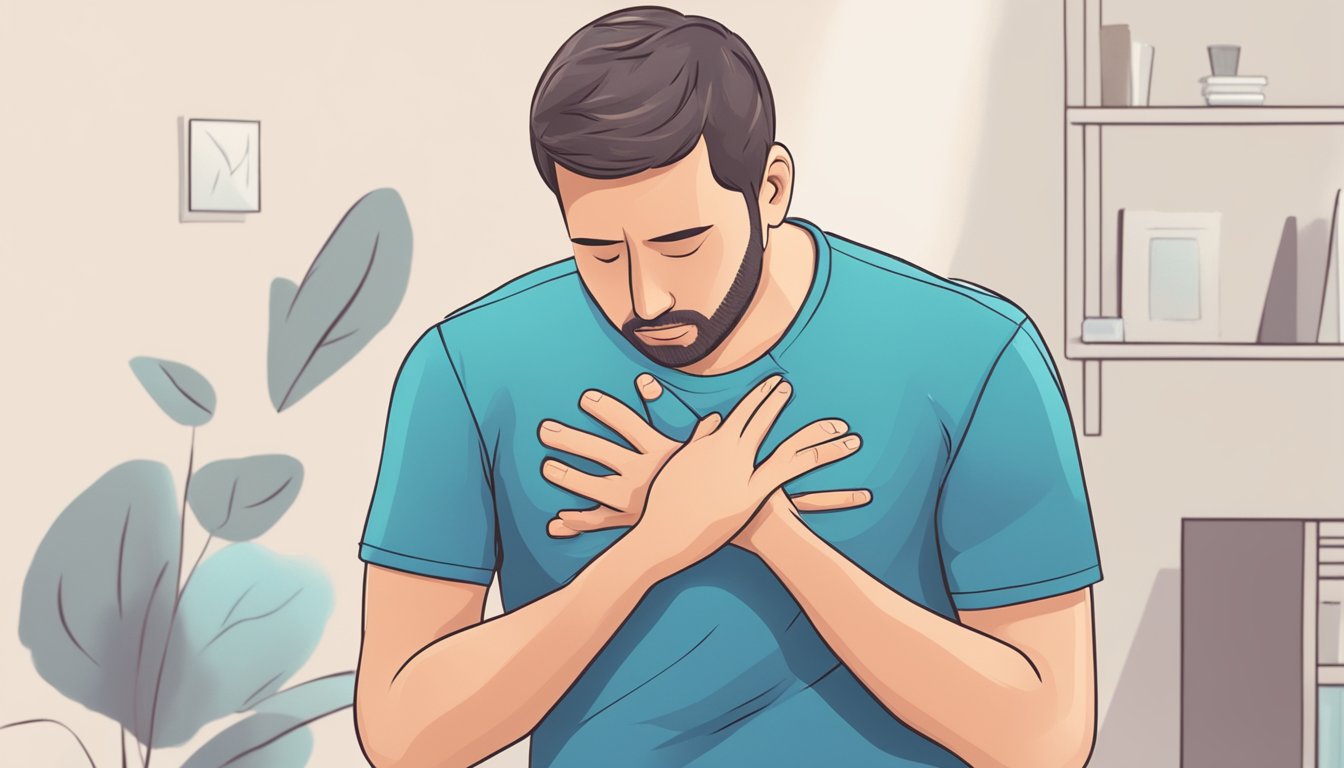
Heart attacks can have a devastating impact on a person’s life, and it is important to recognise the early signs of a heart attack to seek medical attention as soon as possible. The following subsections discuss some of the early signs of a heart attack.
Chest Discomfort and Pain
One of the most common early signs of a heart attack is chest pain or discomfort. This can range from a mild discomfort to a severe pain that feels like pressure, squeezing, fullness, or tightness in the chest. The pain may come and go, or it may last for several minutes. In some cases, the pain may radiate to the arms, neck, jaw, or back.
Breathing Difficulties and Shortness of Breath
Another early sign of a heart attack is breathing difficulties and shortness of breath. This can occur even when a person is at rest or performing simple tasks. The person may feel like they are unable to catch their breath, and they may experience a tightness in the chest or a feeling of suffocation.
Unexplained Fatigue and Weakness
Unexplained fatigue and weakness are also early signs of a heart attack. A person may feel unusually tired and weak, even when they have not exerted themselves. This can be accompanied by a feeling of lightheadedness or dizziness.
It is important to note that the early signs of a heart attack can be subtle and may not always be accompanied by chest pain. Therefore, it is important to pay attention to any changes in the body and seek medical attention if any of the above symptoms are experienced. It is also important to note that not everyone experiences the same symptoms, and some people may not experience any symptoms at all.
Symptoms Unique to Women and Men
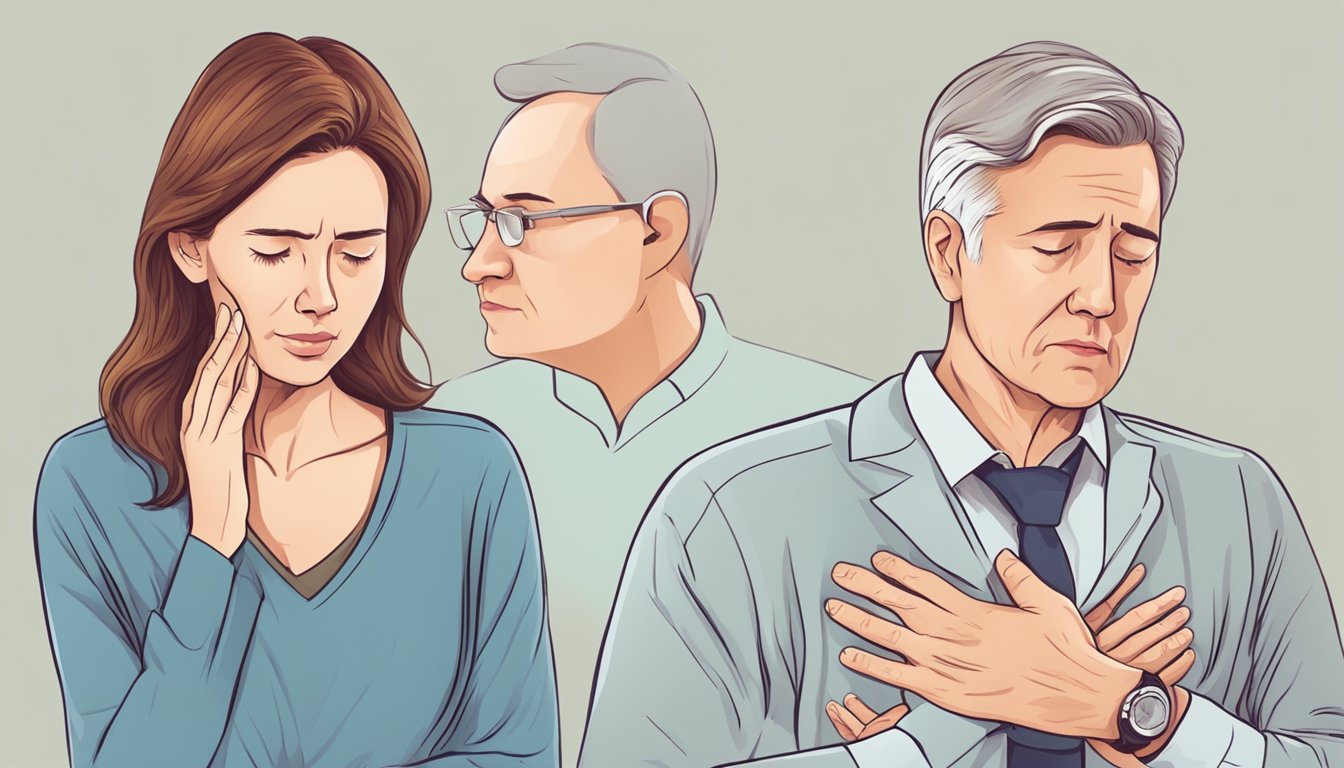
Gender-Specific Symptoms in Women
While chest pain is the most common symptom of a heart attack in both men and women, women may experience other symptoms that are less associated with heart attacks. These symptoms include shortness of breath, nausea, vomiting, and back or jaw pain.
Women may also experience unusual fatigue, sleep problems, and chest discomfort. In some cases, women may not experience chest pain at all. Instead, they may feel pressure, tightness, or a squeezing sensation in their chest.
It is important for women to be aware of these gender-specific symptoms and seek medical attention immediately if they experience any of them.
Gender-Specific Symptoms in Men
Men may experience chest pain or discomfort, usually in the center or left side of the chest. The pain may last more than a couple of minutes, or it may come and go. Men may also experience shortness of breath, fatigue, and chest discomfort.
In some cases, men may experience pain or discomfort in their arms, neck, back, jaw, or stomach. This pain or discomfort may be accompanied by sweating, nausea, or light-headedness.
It is important for men to be aware of these gender-specific symptoms and seek medical attention immediately if they experience any of them.
It is important to note that while these symptoms may be indicative of a heart attack, they may also be caused by other medical conditions. It is important to seek medical attention to determine the underlying cause of the symptoms.
Risk Factors and Preventative Measures
Understanding Risk Factors
Heart attacks can be caused by a variety of factors. Some risk factors are out of a person’s control, such as age, gender, and family history. However, there are several risk factors that can be managed to help prevent a heart attack.
High blood pressure and high cholesterol are two of the most common risk factors for heart attacks. Smoking, obesity, and diabetes can also increase a person’s risk. It is important to note that having just one of these risk factors can increase a person’s chances of having a heart attack.
Lifestyle Changes for Prevention
Making lifestyle changes can help reduce the risk of having a heart attack. One of the most important changes a person can make is to quit smoking. Smoking damages the blood vessels and increases the risk of heart disease.
Maintaining a healthy weight and eating a healthy diet can also reduce the risk of a heart attack. A diet low in saturated fats and high in fruits, vegetables, and whole grains can help keep cholesterol levels in check.
Exercise is another important factor in preventing heart attacks. Regular physical activity can help lower blood pressure and cholesterol levels, as well as improve overall cardiovascular health.
It is important to note that even with lifestyle changes, some people may still be at risk for a heart attack. It is important to work with a healthcare provider to determine the best course of action for managing risk factors.
When to Seek Medical Attention
Recognising the warning signs of a heart attack is crucial to seeking timely medical attention. If you or someone you know experiences any of the symptoms discussed in the previous section, it is important to seek medical assistance immediately.
Emergency Response to Heart Attack Signs
If the symptoms are severe or occur suddenly, call 999 or your local emergency number immediately. Emergency medical services can provide urgent treatment and transport to the hospital for further care.
It is important to note that even if the symptoms subside, it is still crucial to seek medical attention. A person may still be experiencing a heart attack, and waiting too long to seek medical attention can lead to serious complications or even death.
Long-Term Medical Care
After receiving emergency treatment for a heart attack, long-term medical care is necessary to ensure full recovery. A healthcare provider will work with the patient to develop a treatment plan that may include medication, lifestyle changes, and regular follow-up appointments.
It is important to attend all follow-up appointments and adhere to the treatment plan to prevent future heart attacks. If a person experiences any new or recurring symptoms, they should contact their healthcare provider immediately.
In conclusion, recognising the warning signs of a heart attack and seeking timely medical attention is crucial for a positive outcome. If you or someone you know experiences any of the symptoms discussed, call for emergency medical services immediately. After receiving emergency treatment, long-term medical care is necessary for full recovery and prevention of future heart attacks.
Getting assessed in Singapore
If symptoms are severe or come on suddenly in Singapore, emergency care is the right route rather than an outpatient appointment: call 995 or go to the nearest emergency department. For symptoms that are recurrent but not acute, a GP or polyclinic can arrange a cardiology referral, or a private clinic can be contacted directly.
For the practical side of this, a consultation for suspected heart conditions and coronary angiography and stenting are described in detail, alongside the full range of cardiac services.
Frequently Asked Questions
What are the early warning symptoms of a heart attack in women?
The early warning symptoms of a heart attack in women may include chest pain or discomfort, which may spread to the arms, neck, back, jaw, or stomach. Women may also experience shortness of breath, nausea, vomiting, lightheadedness, or sweating. It is important to note that women may experience different symptoms than men and that these symptoms may be subtle and easily overlooked.
What are the indications of an impending heart attack in men?
The indications of an impending heart attack in men may include chest pain or discomfort, which may spread to the arms, neck, jaw, or stomach. Men may also experience shortness of breath, nausea, vomiting, lightheadedness, or sweating. It is important to note that these symptoms may be subtle and easily overlooked, and that men may experience different symptoms than women.
Can one experience a heart attack without realizing it immediately?
Yes, it is possible to experience a heart attack without realizing it immediately. Some people may experience mild symptoms or no symptoms at all. This is known as a silent heart attack. It is important to seek medical attention if you experience any unusual symptoms, even if they are mild.
Is it possible to predict the occurrence of a heart attack weeks in advance?
It is possible to predict the occurrence of a heart attack weeks in advance by monitoring risk factors such as high blood pressure, high cholesterol, diabetes, and obesity. However, it is important to note that not all heart attacks can be predicted, and that some people may experience a heart attack without any warning signs.
What are the differences between pre-heart attack symptoms and those of a stroke?
Pre-heart attack symptoms may include chest pain or discomfort, shortness of breath, nausea, vomiting, lightheadedness, or sweating. Symptoms of a stroke may include sudden weakness or numbness of the face, arm, or leg, especially on one side of the body, difficulty speaking or understanding speech, sudden vision changes, or severe headache. It is important to seek medical attention immediately if you experience any of these symptoms.
What actions should one avoid if experiencing a heart attack?
If experiencing a heart attack, one should avoid any physical activity or exertion, as this can worsen the condition. It is important to seek medical attention immediately and follow the advice of healthcare professionals. It is also important to avoid smoking, as this can increase the risk of heart attack and other health problems.
Further reading
- HealthHub — Chest Pain
- HealthHub — Cardiovascular Disease
- National Heart Centre Singapore — Conditions & Treatments
Disclaimer: This article is general information about cardiovascular health. It is not medical advice, diagnosis or treatment, and reading it does not create a doctor–patient relationship. Always seek the advice of your doctor or another qualified health professional with any questions you have about a medical condition, and never disregard or delay seeking medical advice because of something you have read here. If you think you may be having a medical emergency, call 995 or go to the nearest emergency department.