

Heart pain is a common symptom that can indicate a variety of underlying conditions. While it is often associated with heart attacks, heart pain can also be caused by other factors such as indigestion, anxiety, or a pulled muscle. Understanding the causes and symptoms of heart pain can help individuals seek the appropriate medical attention and prevent more serious complications.
Symptoms of heart pain can vary widely depending on the underlying cause. Chest pain or pressure is a common symptom of heart pain, but it can also be felt in the arms, neck, back, or jaw. Other symptoms may include shortness of breath, sweating, nausea, or lightheadedness. It is important to note that not all individuals with heart pain will experience all of these symptoms, and some may not experience any symptoms at all.
Seeking medical attention is crucial if an individual experiences heart pain, as it can be a sign of a serious condition. A doctor can diagnose the underlying cause of the pain and provide appropriate treatment. In some cases, heart pain may require emergency medical attention. Individuals who experience sudden, severe chest pain, difficulty breathing, or loss of consciousness should seek medical attention immediately.
Key Takeaways
- Heart pain can be caused by a variety of factors and may present with different symptoms.
- Seeking medical attention is crucial if an individual experiences heart pain.
- Not all heart pain indicates a heart attack, but it is important to take any symptoms seriously and seek medical attention if necessary.
Understanding Heart Pain

Heart pain, also known as angina, is a common symptom of heart disease. It can be caused by a variety of factors, including high blood pressure, high cholesterol, and coronary artery disease. Understanding the causes and symptoms of heart pain can help individuals take steps to prevent and treat heart disease.
Common Causes
Heart pain is often caused by poor blood flow to the heart. This can be due to a buildup of plaque on the inner walls of the arteries that carry blood to the heart. Other causes of heart pain include inflammation of the heart muscle, known as pericarditis, and heart attack.
High blood pressure and high cholesterol are also common causes of heart pain. Individuals with these conditions are at an increased risk of developing heart disease, which can lead to heart pain.
Symptoms and Indicators
The symptoms of heart pain can vary depending on the underlying cause. Common symptoms include chest pain or discomfort, shortness of breath, and fatigue. In some cases, heart pain can also cause lightheadedness or dizziness.
Individuals who experience chest pain or discomfort should seek medical attention immediately, as it can be a sign of a heart attack. Other indicators of a heart attack include pain or discomfort in other areas of the body, such as the arms, back, neck, or jaw, as well as nausea and sweating.
It is important to note that not all cases of heart pain are a sign of a heart attack. However, individuals should still seek medical attention if they experience chest pain or discomfort, as it can be a sign of other serious conditions.
In conclusion, understanding the causes and symptoms of heart pain can help individuals take steps to prevent and treat heart disease. It is important to seek medical attention if you experience chest pain or discomfort, as it can be a sign of a serious condition.
Seeking Medical Attention
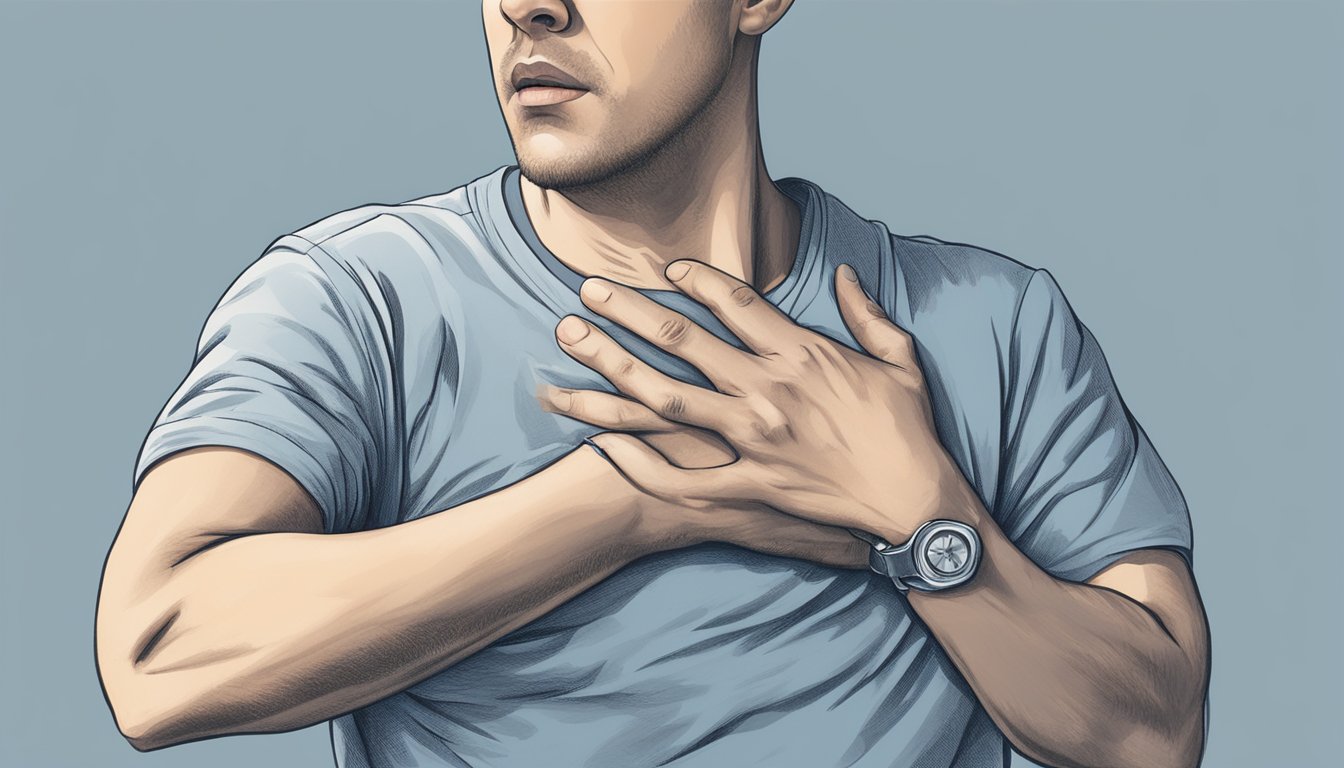
When experiencing chest pain, it is important to seek medical attention immediately. The following subsections provide guidance on when to call 911 and the diagnosis procedures that may be performed.
When to Call 911
If the chest pain is severe and accompanied by shortness of breath, dizziness, sweating, or nausea, it may be a life-threatening emergency. In such cases, it is essential to call 911 and seek immediate medical help. Chest pain radiating to the arm, jaw, neck, or back, and chest pain associated with fainting or loss of consciousness also require immediate medical attention.
Diagnosis Procedures
The doctor may perform several diagnosis procedures to determine the cause of chest pain. An electrocardiogram (ECG) is a common test that measures the electrical activity of the heart. It can help diagnose a heart attack or other heart problems. Blood tests may also be performed to check for certain enzymes that are released into the bloodstream during a heart attack.
If the doctor suspects a heart problem, further tests such as a stress test or angiogram may be recommended. In some cases, hospital admission may be necessary for further observation and treatment.
It is important to note that chest pain can have many causes, some of which are not related to the heart. Therefore, seeking medical attention is crucial to ensure proper diagnosis and treatment. This article is for informational purposes only and is not a substitute for professional medical advice. If you are experiencing chest pain, please consult a doctor.
Risk Factors and Prevention

Heart pain can be caused by a variety of factors, including lifestyle, genetics, and underlying medical conditions. Understanding these factors can help individuals take steps to reduce their risk of developing heart disease and experiencing heart pain.
Lifestyle and Conditions
Several lifestyle factors can increase an individual’s risk of developing heart disease and heart pain. These include smoking, obesity, diabetes, high cholesterol, and a sedentary lifestyle. Smoking is a major risk factor for heart disease, as it can damage the lining of the arteries and lead to the buildup of plaque. Obesity and a lack of physical activity can also contribute to the development of heart disease, as they can lead to high blood pressure, high cholesterol, and diabetes.
Individuals can reduce their risk of heart disease and heart pain by making lifestyle changes, such as quitting smoking, maintaining a healthy weight, exercising regularly, and eating a healthy diet. Regular exercise can help lower blood pressure, improve cholesterol levels, and reduce the risk of diabetes. A healthy diet that is low in saturated and trans fats, cholesterol, and salt can also help reduce the risk of heart disease.
Family History and Genetics
Family history and genetics can also play a role in an individual’s risk of developing heart disease and heart pain. Individuals with a family history of heart disease are at a higher risk of developing the condition themselves. Additionally, certain genetic factors can increase an individual’s risk of heart disease, such as high levels of LDL cholesterol or a family history of early heart disease.
While individuals cannot change their genetics, they can take steps to reduce their risk of heart disease and heart pain. Regular check-ups with a healthcare provider can help identify any underlying medical conditions that may contribute to heart disease. Additionally, individuals with a family history of heart disease may benefit from more frequent check-ups and monitoring of their heart health.
It is important to note that while lifestyle changes and medical interventions can help reduce the risk of heart disease and heart pain, they cannot guarantee complete prevention. Individuals should always consult with their healthcare provider to determine the best course of action for their individual needs and risk factors.
Associated Conditions and Differential Diagnosis
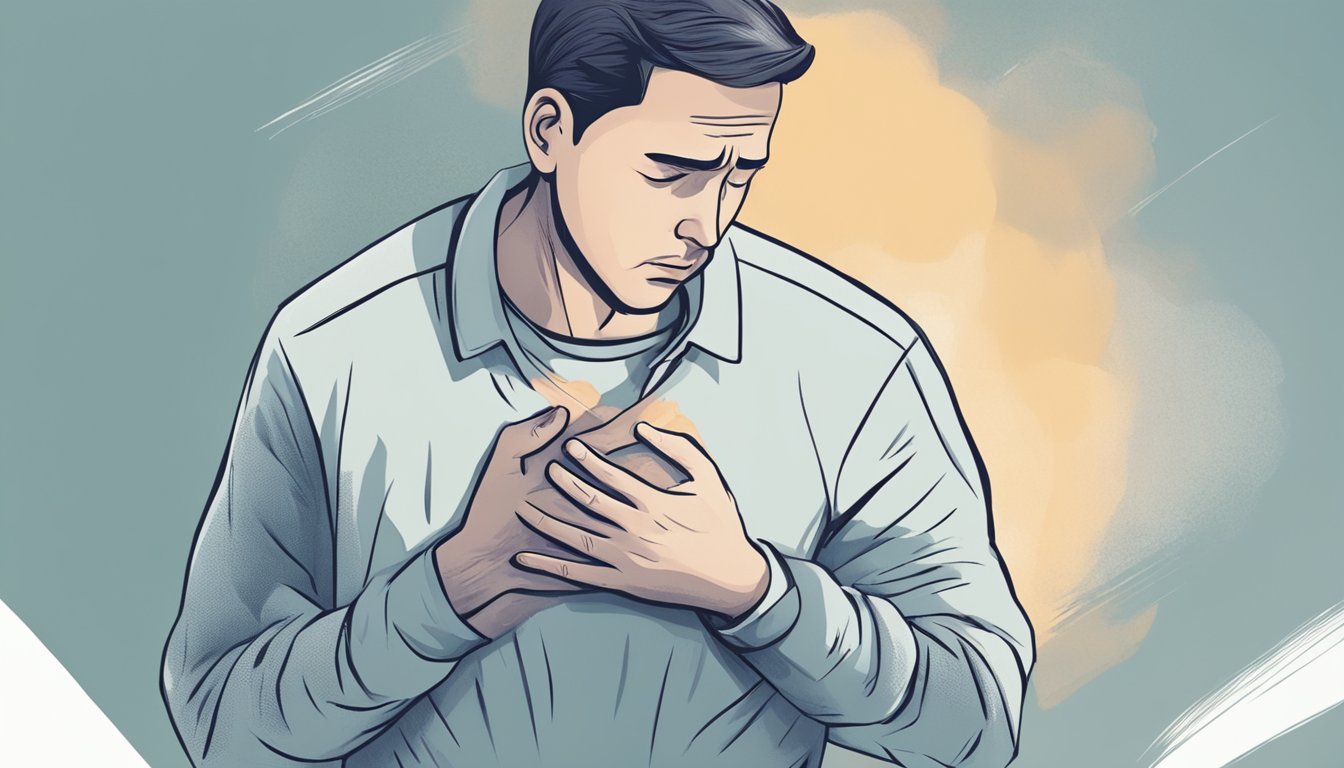
Chest pain can be a symptom of several different conditions, some of which are life-threatening. Therefore, it is essential to rule out serious pathology before considering more benign causes. The differential diagnosis for chest pain includes both cardiac and non-cardiac causes.
Non-Cardiac Sources of Chest Pain
Non-cardiac causes of chest pain include gastrointestinal, musculoskeletal, and pulmonary conditions. Gastrointestinal causes of chest pain include acid reflux, esophageal spasm, and peptic ulcer disease. Musculoskeletal causes of chest pain include costochondritis, rib fractures, and muscle strain. Pulmonary causes of chest pain include pulmonary embolism, pleurisy, and pneumonia.
Pulmonary embolism is a potentially life-threatening condition that occurs when a blood clot travels to the lungs. Pleurisy is an inflammation of the lining of the lungs and chest wall, which can cause sharp chest pain that worsens with breathing. Pneumonia is an infection of the lungs that can cause chest pain, coughing, and difficulty breathing.
Related Cardiac Conditions
Related cardiac conditions that can cause chest pain include acute myocardial infarction, aortic dissection, and angina. Acute myocardial infarction, also known as a heart attack, occurs when the blood supply to part of the heart is blocked. Aortic dissection is a rare but life-threatening condition that occurs when the inner layer of the aorta tears. Angina is a type of chest pain that occurs when the heart muscle does not get enough blood and oxygen.
It is important to note that the above list of conditions is not exhaustive, and other conditions can also cause chest pain. Therefore, anyone experiencing chest pain should seek medical attention promptly to determine the underlying cause and receive appropriate treatment.
Getting assessed in Singapore
If symptoms are severe or come on suddenly in Singapore, emergency care is the right route rather than an outpatient appointment: call 995 or go to the nearest emergency department. For symptoms that are recurrent but not acute, a GP or polyclinic can arrange a cardiology referral, or a private clinic can be contacted directly.
If you want to know how this is assessed in practice, see what a cardiology consultation involves or a treadmill stress test, or review the preventive cardiology programme.
Frequently Asked Questions
What are the typical symptoms associated with pain in the chest?
Chest pain is a common symptom that can be caused by various medical conditions. The typical symptoms associated with chest pain include a feeling of pressure, tightness, or heaviness in the chest area. Pain can also radiate to the arms, neck, jaw, shoulders, or back. Some people may experience shortness of breath, nausea, sweating, or dizziness.
Which conditions are commonly mistaken for cardiac-related chest discomfort?
Chest pain can be caused by many conditions, and not all of them are related to the heart. Some conditions that can be mistaken for cardiac-related chest discomfort include acid reflux, muscle strain, anxiety, pneumonia, and gallbladder disease. It is important to seek medical attention if you experience chest pain to determine the underlying cause.
What might cause intermittent chest pain that appears and disappears?
Intermittent chest pain that appears and disappears can be caused by various medical conditions. Some of the most common causes include gastroesophageal reflux disease (GERD), heartburn, or angina. It is important to consult with a healthcare professional to determine the underlying cause of the pain.
How should one alleviate discomfort in the chest area?
The treatment for chest pain depends on the underlying cause. If the chest pain is caused by a heart attack, immediate medical attention is required. If the pain is caused by a less serious condition, such as GERD or muscle strain, over-the-counter pain relievers or medications may be recommended. It is important to follow the advice of a healthcare professional when treating chest pain.
What could be the reasons for persistent, unexplained pain in the chest over several years?
Persistent, unexplained pain in the chest over several years can be caused by various medical conditions. Some of the most common causes include angina, coronary artery disease, or aortic dissection. It is important to seek medical attention if you have persistent chest pain to determine the underlying cause.
In females, what are the primary causes of pain located on the left side of the chest?
The primary causes of pain located on the left side of the chest in females include angina, heart attack, or pericarditis. It is important to seek medical attention if you experience chest pain to determine the underlying cause.
Further reading
- HealthHub — Chest Pain
- HealthHub — Cardiovascular Disease
- National Heart Centre Singapore — Conditions & Treatments
Disclaimer: This article is general information about cardiovascular health. It is not medical advice, diagnosis or treatment, and reading it does not create a doctor–patient relationship. Always seek the advice of your doctor or another qualified health professional with any questions you have about a medical condition, and never disregard or delay seeking medical advice because of something you have read here. If you think you may be having a medical emergency, call 995 or go to the nearest emergency department.