

Low heart rate, also known as bradycardia, is a condition where the heart beats slower than normal, typically less than 60 beats per minute. Many people with low heart rate do not experience any symptoms, and it is often considered a normal variation. However, in some cases, low heart rate can be a sign of an underlying health condition.
Understanding low heart rate is important for those who may be experiencing symptoms or have been diagnosed with the condition. Causes of low heart rate can vary, and may include factors such as age, medication use, and medical conditions like hypothyroidism. Diagnosis of low heart rate typically involves a physical exam and various tests, such as an electrocardiogram (ECG) or a Holter monitor test.
For those with low heart rate, treatment options may include medication, lifestyle changes, or in some cases, a pacemaker. It is important to work closely with a healthcare provider to determine the best course of action. With proper management, many people with low heart rate are able to live healthy and active lives.
Key Takeaways
- Low heart rate, or bradycardia, is a condition where the heart beats slower than normal.
- Causes of low heart rate can vary and may include age, medication use, and medical conditions like hypothyroidism.
- Treatment options for low heart rate may include medication, lifestyle changes, or a pacemaker, and it is important to work closely with a healthcare provider to determine the best course of action.
Understanding Low Heart Rate
Definition and Normal Ranges
A low heart rate, also known as bradycardia, is a condition where the heart beats fewer than 60 times per minute. This condition can be caused by a variety of factors, including age, medication, and underlying health conditions. For example, athletes and individuals who engage in regular exercise may have a lower resting heart rate than the average person due to their cardiovascular fitness.
The normal range for resting heart rate is between 60 and 100 beats per minute. However, a resting heart rate below 60 beats per minute may not necessarily indicate a problem. In fact, some people, particularly athletes, may have a resting heart rate as low as 40 beats per minute, which is considered normal for them.
Significance of Resting Heart Rate
Resting heart rate is an important indicator of overall cardiovascular health. A higher resting heart rate may indicate an increased risk of heart disease, while a lower resting heart rate may indicate better cardiovascular fitness. It is important to note that a low resting heart rate is not always a cause for concern, particularly in individuals who are physically active.
The electrical system of the heart regulates the heartbeat, and a low heart rate can be caused by a disruption in this system. Certain medications, such as beta-blockers, can also cause a low heart rate. In some cases, a low heart rate can be a symptom of an underlying health condition, such as hypothyroidism or an electrolyte imbalance.
It is important to consult a healthcare professional if you are concerned about your heart rate or have any symptoms of an underlying health condition. A healthcare professional can perform tests to determine the cause of a low heart rate and develop an appropriate treatment plan if necessary.
Causes and Risk Factors

Low heart rate, also known as bradycardia, can be caused by a variety of factors. In general, a low heart rate is not a cause for concern unless it is accompanied by other symptoms. Below are some of the most common causes and risk factors associated with low heart rate.
Age-Related Changes
As people age, their heart rate may naturally slow down. This is due to changes in the heart’s electrical system and the natural ageing process. In general, a resting heart rate of 60 to 100 beats per minute is considered normal for adults. However, as people get older, their heart rate may fall below this range.
Medical Conditions
Certain medical conditions can also cause low heart rate. These include:
- Hypothyroidism: When the thyroid gland does not produce enough thyroid hormone, it can cause a slow heart rate.
- High blood pressure: Over time, high blood pressure can damage the heart and lead to a slow heart rate.
- Obstructive sleep apnea: This condition can cause pauses in breathing during sleep, which can lead to a slow heart rate.
- Electrolyte imbalance: An imbalance of electrolytes in the body, such as potassium or calcium, can affect the heart’s electrical system and cause a slow heart rate.
- Congenital heart defects: Some people are born with heart defects that can cause a slow heart rate.
- Rheumatic fever: This condition can damage the heart valves and lead to a slow heart rate.
Lifestyle and Other Factors
Certain lifestyle factors and medications can also cause low heart rate. These include:
- Medications: Certain medications, such as beta-blockers and calcium channel blockers, can slow the heart rate.
- Athletes: People who engage in regular physical activity, especially endurance athletes, may have a lower resting heart rate due to their increased cardiovascular fitness.
- Stress: Stress and anxiety can affect the heart’s electrical system and cause a slow heart rate.
- Malnutrition: A lack of nutrients in the diet can affect the heart’s electrical system and cause a slow heart rate.
It is important to note that not all cases of low heart rate require treatment. If a slow heart rate is accompanied by other symptoms, such as dizziness or fainting, it may be a sign of a more serious condition and should be evaluated by a healthcare professional.
Symptoms and Diagnosis

Recognising Symptoms
Low heart rate, also known as bradycardia, may or may not cause symptoms. Some people with bradycardia may experience symptoms such as dizziness, confusion, fainting, or chest pain. Others may not experience any symptoms at all. In some cases, low heart rate can lead to shortness of breath, especially during exercise.
If you experience any of these symptoms, it is important to seek medical attention immediately. While low heart rate may not always be a sign of a serious condition, it is important to rule out any underlying health issues that may be causing the symptoms.
Diagnostic Tests
To diagnose low heart rate, a doctor will usually start by performing a physical exam and taking a medical history. They may also order blood tests to check for any underlying health conditions that may be causing the low heart rate.
An electrocardiogram (ECG) may also be used to diagnose low heart rate. This test measures the electrical activity of the heart and can help identify any abnormalities in heart rhythm.
In some cases, a 24-hour monitor or holter monitor may be used to diagnose low heart rate. These devices are worn for a period of time and record the heart’s activity over that time period. This can help identify any irregularities in heart rhythm that may be causing the low heart rate.
It is important to note that low heart rate may not always be a sign of a serious condition. However, if you are experiencing any symptoms or are concerned about your heart rate, it is important to seek medical attention. A doctor can help determine the underlying cause of the low heart rate and recommend appropriate treatment if necessary.
Treatment and Management
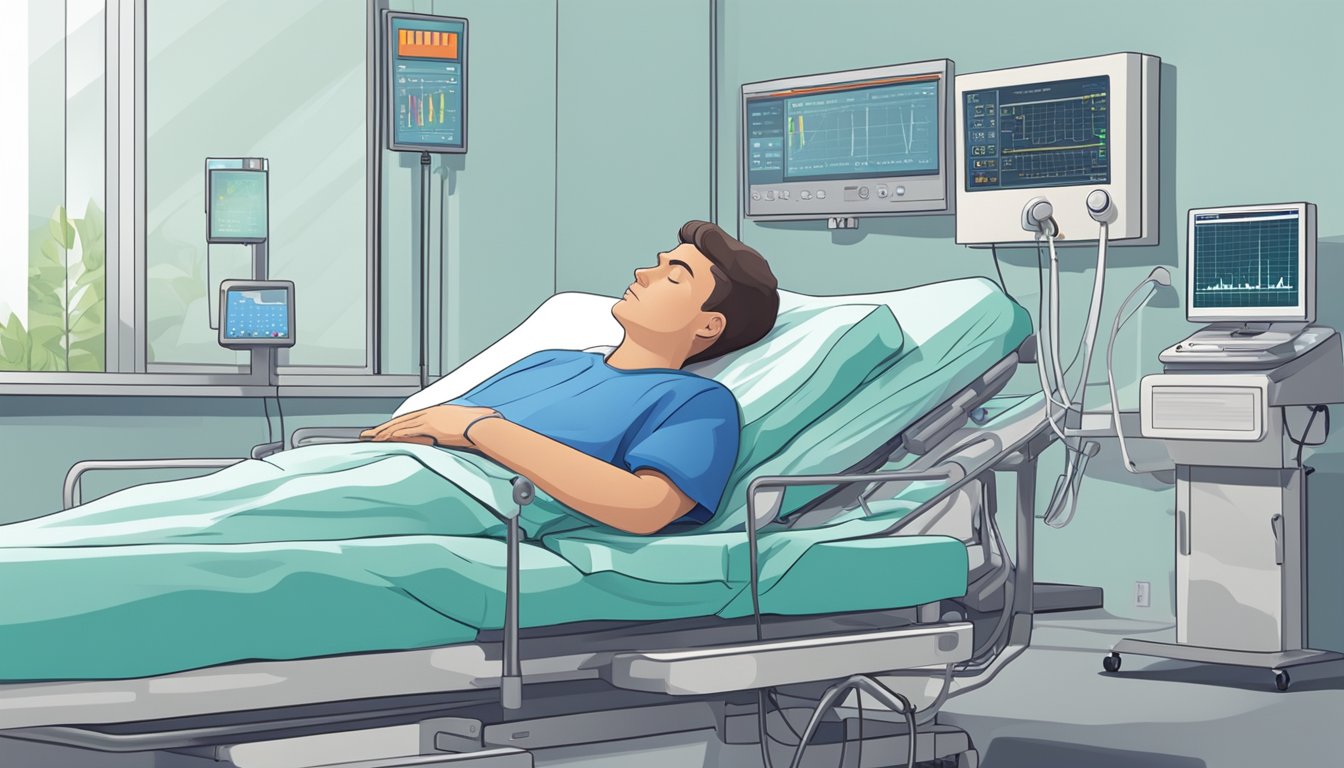
Bradycardia, or a low heart rate, can be managed through medical interventions and lifestyle adjustments. The treatment plan will depend on the severity of the symptoms and the underlying cause of the condition. It is important to consult with a healthcare provider to determine the best course of action.
Medical Interventions
In cases where bradycardia is severe or causing symptoms, medical interventions may be necessary. This can include the use of medications, such as beta-blockers, to regulate heart rate. In some cases, implantation of a pacemaker may be necessary to help the heart maintain a steady rhythm. Heart surgery may also be an option for some patients.
Lifestyle Adjustments and Monitoring
In addition to medical interventions, lifestyle adjustments can also be helpful in managing bradycardia. Patients should be encouraged to engage in regular exercise, as this can help improve heart health and regulate heart rate. Blood pressure management is also important, as high blood pressure can contribute to the development of bradycardia.
Patients with bradycardia should be monitored regularly by a healthcare provider to ensure that their heart rate is within a safe range. It is important to follow all treatment recommendations and to report any new or worsening symptoms to a healthcare provider.
It is important to note that the information provided here is for educational purposes only and should not be used as a substitute for medical advice. Patients should always consult with a healthcare provider for guidance on the best course of treatment for their individual needs.
Getting assessed in Singapore
In Singapore, cardiovascular assessment is available through both the public and private sectors. Which tests are appropriate depends on your symptoms, risk factors and history rather than on choosing the most extensive option available. A GP or polyclinic can arrange a referral to a cardiologist, or a private clinic can be approached directly.
Related pages on this site explain ECG testing and a 24-hour Holter ECG assessment. You can also see all cardiac services.
Frequently Asked Questions
What constitutes a dangerously low pulse rate?
A dangerously low pulse rate is generally considered to be below 60 beats per minute. However, the exact threshold for a dangerously low pulse rate can vary depending on the individual and their overall health. In some cases, a resting pulse rate of 50 beats per minute or lower may indicate an underlying health issue that requires medical attention.
What are the potential causes of bradycardia?
Bradycardia, or a low pulse rate, can be caused by a variety of factors. Some common causes include certain medications, underlying medical conditions such as hypothyroidism or heart disease, and a disruption in the electrical signals that regulate the heart’s rhythm. In some cases, bradycardia may also be a side effect of certain medical procedures, such as heart surgery.
How does a resting pulse of 50 beats per minute affect individuals who are not athletes?
A resting pulse rate of 50 beats per minute may be considered normal for some individuals, particularly athletes or those who are otherwise physically fit. However, for individuals who are not athletes, a resting pulse rate of 50 beats per minute or lower may indicate an underlying health issue. In some cases, a low pulse rate can cause symptoms such as fatigue, dizziness, or fainting.
Could a heart rate of 40 beats per minute indicate a serious health issue?
A heart rate of 40 beats per minute is generally considered to be very low, and may indicate an underlying health issue. However, the exact cause of a low pulse rate can vary depending on the individual and their overall health. In some cases, a heart rate of 40 beats per minute may be a normal variation for some individuals, particularly athletes or those who are otherwise physically fit. It is important to speak with a healthcare provider if you are concerned about your pulse rate.
What symptoms might be associated with a reduced pulse rate?
Symptoms of a reduced pulse rate, or bradycardia, can vary depending on the individual and the underlying cause of the condition. Some common symptoms may include fatigue, dizziness, fainting, shortness of breath, or chest pain. In some cases, bradycardia may not cause any noticeable symptoms.
What interventions are available to address bradycardia?
The appropriate treatment for bradycardia will depend on the underlying cause of the condition. In some cases, medications may be used to regulate the heart’s rhythm. In other cases, a pacemaker may be implanted to help regulate the heart’s electrical signals. It is important to speak with a healthcare provider to determine the best course of treatment for your individual needs.
Also on this site
Further reading
- HealthHub — Cardiovascular Disease
- Health Promotion Board — Healthy Living
- American Heart Association — Health Topics
Disclaimer: This article is general information about cardiovascular health. It is not medical advice, diagnosis or treatment, and reading it does not create a doctor–patient relationship. Always seek the advice of your doctor or another qualified health professional with any questions you have about a medical condition, and never disregard or delay seeking medical advice because of something you have read here. If you think you may be having a medical emergency, call 995 or go to the nearest emergency department.