

Fetal heart rate is an essential indicator of fetal health during pregnancy. It is a measure of the number of times the fetal heart beats per minute (BPM). Ultrasound is the most common way to measure fetal heart rate, and it can be detected as early as 6 weeks of pregnancy. The normal fetal heart rate at 7 weeks is between 90 and 110 BPM.
Understanding fetal heart rate at 7 weeks is crucial for monitoring fetal health and identifying potential problems early on. During the first trimester of pregnancy, the fetal heart rate increases by approximately three beats per minute per day. By 9 weeks of pregnancy, the fetal heart rate typically ranges between 140 and 170 BPM. After 9 weeks, the fetal heart rate begins to decrease gradually until it reaches normal levels at around 15 weeks.
Monitoring techniques and equipment for fetal heart rate measurement have evolved over the years, with ultrasound being the most commonly used method. However, there are other methods, including fetal electrocardiography and fetal phonocardiography, which can also be used to measure fetal heart rate. It is important to note that fetal heart rate can vary depending on various factors, including maternal age, fetal activity, and gestational age.
Key Takeaways
- Fetal heart rate is an essential indicator of fetal health during pregnancy and can be detected as early as 6 weeks of pregnancy.
- The normal fetal heart rate at 7 weeks is between 90 and 110 BPM, and it increases by approximately three beats per minute per day during the first trimester.
- Ultrasound is the most common way to measure fetal heart rate, but other methods, including fetal electrocardiography and fetal phonocardiography, are also available.
Understanding Fetal Heart Rate at 7 Weeks
Significance of Heart Rate at Early Gestation
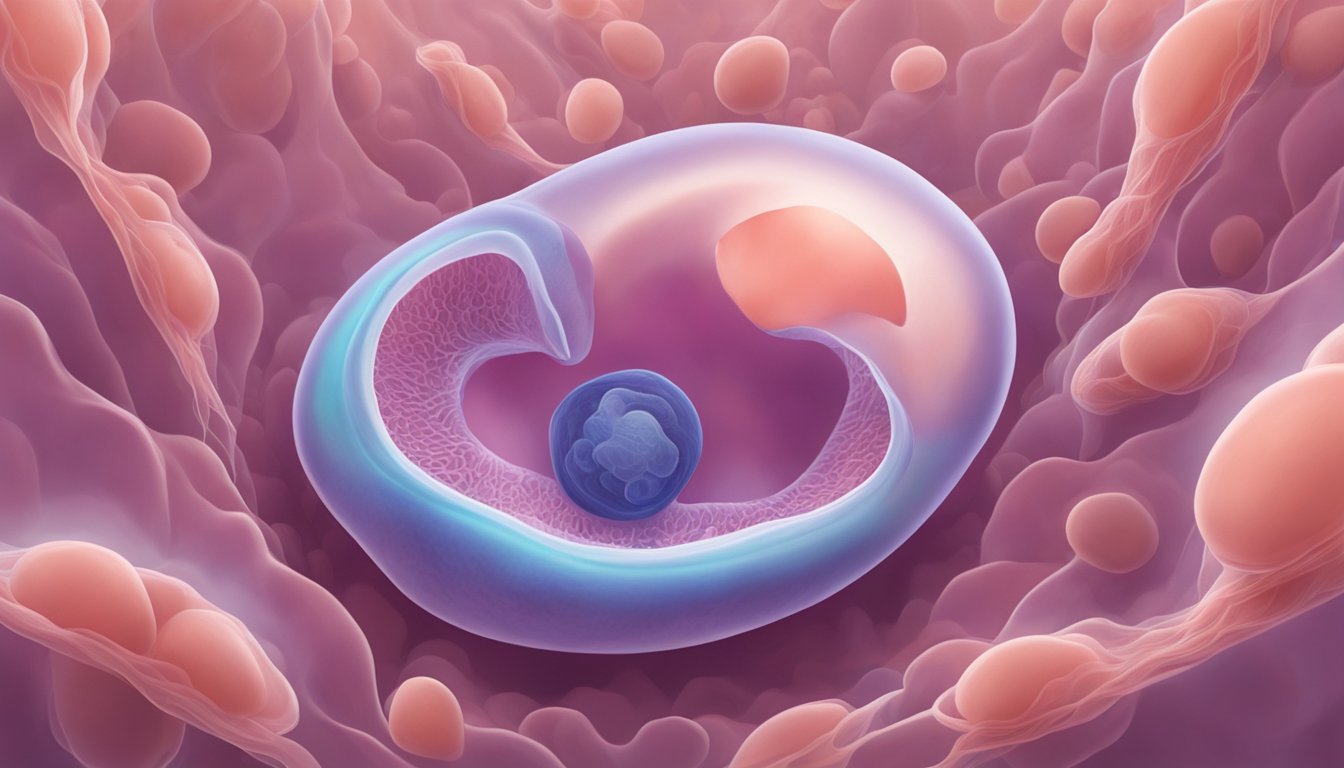
Fetal heart rate is an essential indicator of fetal well-being and development. During early gestation, the embryonic heart starts to develop around the fifth week of pregnancy and can be detected through an ultrasound. At 7 weeks, the fetal heart rate is relatively slow, around 90-110 beats per minute (BPM), and it is important to monitor the heart rate to ensure proper development.
A rapid fetal heart rate is termed a fetal tachycardia and is usually defined as a heart rate greater than 160-180 BPM. On the other hand, a fetal heart rate below 120 BPM can be a cause for concern. A fetal heart rate around 170 BPM may be classified as borderline fetal tachycardia. A rapid and irregular fetal heart rate is usually termed a fetal tachyarrhythmia.
Methods of Detection
Transvaginal ultrasound is a common method used to detect embryonic heart activity and fetal heart rate at 7 weeks. This method involves inserting a transducer probe into the vagina to obtain an image of the developing embryo and detect the heart rate. Doppler ultrasound is another method that uses sound waves to detect the fetal heart rate. This method involves placing a handheld device on the mother’s abdomen to detect the sound waves reflected back from the fetal heart.
It is important to note that while fetal heart rate is an essential indicator of fetal well-being, it is not the only factor to consider. Other factors such as fetal movement, amniotic fluid levels, and fetal growth should also be monitored to ensure proper fetal development.
In conclusion, understanding fetal heart rate at 7 weeks is crucial for monitoring fetal well-being and development. Transvaginal ultrasound and Doppler ultrasound are common methods used to detect embryonic heart activity and fetal heart rate. It is important to consult with a healthcare professional for proper monitoring and evaluation of fetal well-being.
Monitoring Techniques and Equipment
Doppler Ultrasound Use
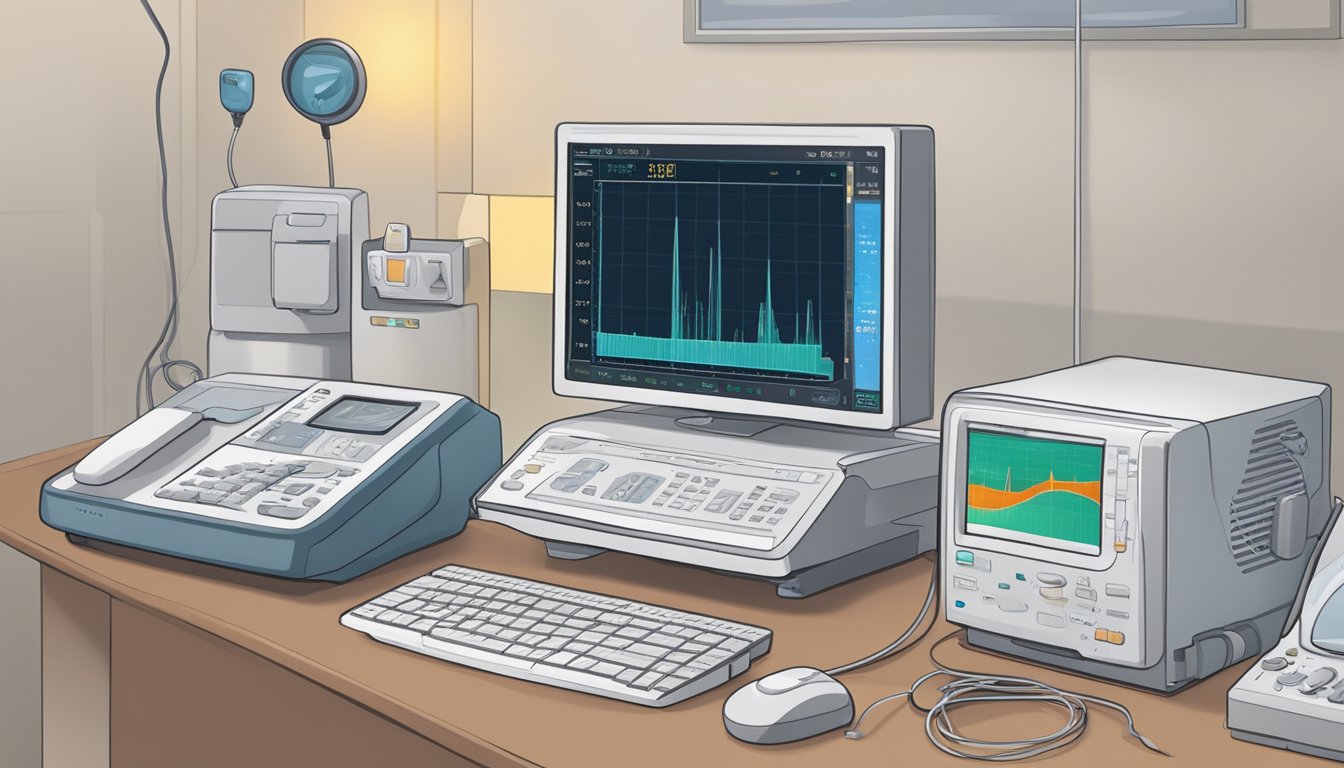
Doppler ultrasound is a non-invasive diagnostic tool that uses high-frequency sound waves to measure the fetal heart rate. It is a safe and effective way to monitor fetal heart rate during pregnancy. The Doppler ultrasound device consists of a handheld transducer, which is placed on the mother’s abdomen, and a computer screen that displays the fetal heart rate. The device works by emitting sound waves that bounce off the fetal heart and return to the transducer. The transducer then converts the sound waves into an audible heartbeat, which can be heard by the healthcare provider.
During the 7th week of pregnancy, the fetal heart rate is around 120-160 beats per minute. The Doppler ultrasound device can accurately measure the fetal heart rate and detect any abnormalities. The procedure is painless and takes only a few minutes to complete. The healthcare provider will apply a small amount of gel to the mother’s abdomen to enhance the sound waves and improve the accuracy of the results.
Transvaginal Ultrasound Details
Transvaginal ultrasound is another technique used to monitor fetal heart rate during early pregnancy. This technique involves inserting a small transducer into the vagina, which provides a closer view of the fetus and allows for more accurate measurements. The transvaginal ultrasound device works in a similar way to the Doppler ultrasound device, but the transducer is inserted into the vagina instead of being placed on the mother’s abdomen.
The transvaginal ultrasound technique is usually used during the first trimester of pregnancy, and it can detect the fetal heartbeat as early as 6 weeks of gestation. During the 7th week of pregnancy, the fetal heart rate is around 120-160 beats per minute. The transvaginal ultrasound device can accurately measure the fetal heart rate and detect any abnormalities.
It is important to note that both the Doppler ultrasound and transvaginal ultrasound techniques are safe and non-invasive ways to monitor fetal heart rate during pregnancy. However, it is always important to consult with a healthcare provider before undergoing any medical procedures.
Normal vs Abnormal Fetal Heart Rates
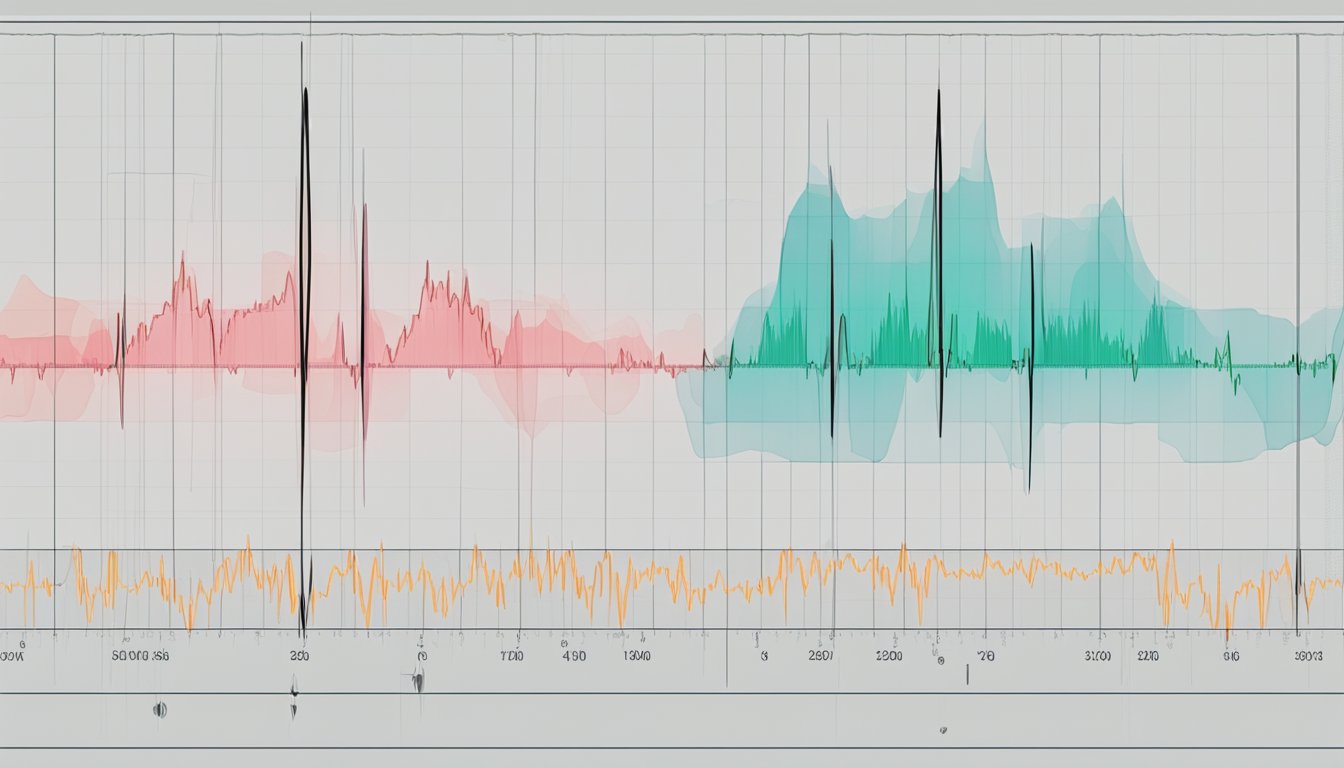
At 7 weeks, it is important to monitor fetal heart rate to ensure that the baby is developing properly. Fetal heart rate can be an indicator of potential complications, so it is important to understand what is considered normal and abnormal.
Average Fetal Heart Rate Metrics
According to Verywell Health, the fetal heart rate starts slow between 90 and 110 BPM during weeks 5 to 7, and speeds up to an average of 140 to 170 BPM by week 9. By week 12, the rate slows down a bit. After 13 weeks gestation, it begins a rapid deceleration to the normal fetal heart rate for mid-pregnancy, between 110 to 160 BPM.
Indicators of Potential Complications
Abnormal fetal heart rate can be an indicator of potential complications, such as fetal distress. Bradycardia, or a heart rate below 90 BPM, can be a sign of fetal distress and may require further monitoring or intervention. Tachycardia, or a heart rate above 160 BPM, can also be a sign of fetal distress or other complications.
It is important to note that skipped or ectopic beats are the most common rhythm disturbance, and are often benign and resolve spontaneously. However, in low-risk populations, they are not associated with an increased risk of structural fetal heart disease.
If there are any concerns about fetal heart rate, it is important to consult a healthcare professional for further evaluation and monitoring. This information is for educational purposes only and should not replace medical advice.
Clinical Significance and Follow-up
Implications of Heart Rate Findings
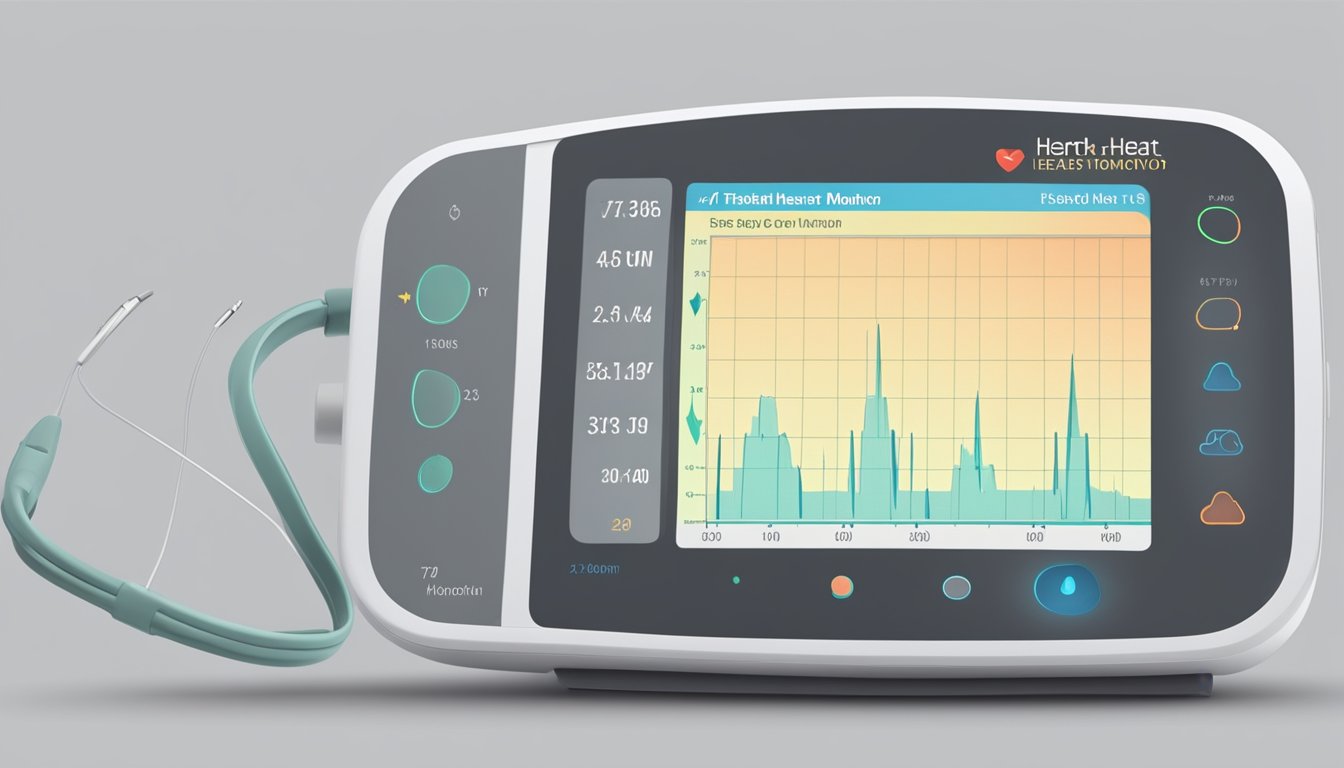
At 7 weeks of gestation, a baby’s heart rate is typically between 90 and 110 beats per minute (BPM). A heart rate within this range is considered normal for this stage of fetal development. However, a heart rate outside of this range may indicate a potential issue with fetal development.
If a healthcare provider detects an abnormal fetal heart rate during a prenatal visit, they may recommend further testing or monitoring to determine the cause. In some cases, an abnormal heart rate may be a sign of a high-risk pregnancy, and additional follow-up may be necessary.
It is important to note that a single abnormal heart rate reading does not necessarily indicate a problem with fetal development. However, it is crucial to schedule follow-up appointments to monitor the baby’s heart rate and ensure that fetal development is progressing as expected.
Scheduling Subsequent Prenatal Visits
If a healthcare provider detects an abnormal fetal heart rate at 7 weeks of gestation, they may recommend scheduling additional prenatal visits to monitor fetal development. The frequency of these visits may vary depending on the specific circumstances of the pregnancy.
In some cases, a healthcare provider may recommend more frequent visits to closely monitor the baby’s heart rate and ensure that fetal development is progressing as expected. Additionally, a healthcare provider may recommend additional testing or monitoring to determine the cause of an abnormal heart rate reading.
It is important for expectant mothers to follow their healthcare provider’s recommendations for prenatal care and attend all scheduled appointments. Regular prenatal visits are crucial for monitoring fetal development, identifying potential issues, and ensuring a healthy pregnancy.
Overall, an abnormal fetal heart rate reading at 7 weeks of gestation may be a cause for concern, but it is important to remember that a single reading does not necessarily indicate a problem with fetal development. By scheduling follow-up appointments and closely monitoring fetal development, healthcare providers can ensure the best possible outcome for both mother and baby.
Getting assessed in Singapore
In Singapore, cardiovascular assessment is available through both the public and private sectors. Which tests are appropriate depends on your symptoms, risk factors and history rather than on choosing the most extensive option available. A GP or polyclinic can arrange a referral to a cardiologist, or a private clinic can be approached directly.
Related pages on this site explain ECG testing and a 24-hour Holter ECG assessment. You can also see all cardiac services.
Frequently Asked Questions
What constitutes a normal fetal heartbeat at seven weeks gestation?
At seven weeks gestation, a normal fetal heartbeat ranges between 90 to 110 beats per minute (BPM). It is important to note that the fetal heartbeat can vary by up to 25 BPM, and this is considered normal.
Is there a correlation between fetal heartbeat and gender prediction at seven weeks?
There is no scientific evidence to support the idea that fetal heartbeat can be used to determine the gender of a baby at seven weeks gestation or any other stage of pregnancy.
What are the implications of a high fetal heart rate at seven weeks?
A high fetal heart rate at seven weeks may indicate a possibility of fetal tachycardia, which is a condition where the fetal heart rate is over 160 BPM. This may be a sign of an underlying medical condition, and it is important to consult a healthcare provider for further evaluation.
What should one expect if the fetal heart rate is considered low at seven weeks?
A low fetal heart rate at seven weeks may indicate a possible miscarriage or an ectopic pregnancy. However, it is important to note that a low fetal heart rate can also be normal at this stage of pregnancy, and further evaluation is necessary to determine the cause.
At what stage in pregnancy does the fetal heartbeat typically become detectable?
The fetal heartbeat typically becomes detectable at around six weeks gestation. However, in some cases, it may not be detectable until seven or eight weeks gestation.
How does the fetal heart rate progress throughout the first trimester?
The fetal heart rate increases as the pregnancy progresses. At seven weeks gestation, the fetal heart rate ranges between 90 to 110 BPM. By the end of the first trimester, the fetal heart rate typically ranges between 120 to 160 BPM. However, it is important to note that the fetal heart rate can vary by up to 25 BPM, and this is considered normal.
It is important to consult a healthcare provider if there are any concerns regarding the fetal heart rate or any other aspect of pregnancy. This information is provided for educational purposes only and is not a substitute for medical advice.
Further reading
- HealthHub — Cardiovascular Disease
- Health Promotion Board — Healthy Living
- American Heart Association — Health Topics
Disclaimer: This article is general information about cardiovascular health. It is not medical advice, diagnosis or treatment, and reading it does not create a doctor–patient relationship. Always seek the advice of your doctor or another qualified health professional with any questions you have about a medical condition, and never disregard or delay seeking medical advice because of something you have read here. If you think you may be having a medical emergency, call 995 or go to the nearest emergency department.