

Normal fetal heart rate is an essential aspect of fetal development. It is an indication of the health of the fetus and can be used to monitor the progress of pregnancy. Fetal heart rate is the number of times the heart beats per minute (BPM) and is measured using a fetal doppler or ultrasound.
Understanding fetal heart rate is crucial for parents-to-be and healthcare providers. A normal fetal heart rate usually ranges from 120 to 160 BPM in the in utero period. It is measurable sonographically from around 6 weeks, and the normal range varies during gestation, increasing to around 170 BPM at 10 weeks and decreasing from then to around 130 BPM at term. Understanding the normal range is vital in detecting any deviations from the norm that may require further investigation or management.
Key Takeaways
- Normal fetal heart rate ranges from 120 to 160 BPM in the in utero period.
- Fetal heart rate is measured using a fetal doppler or ultrasound.
- Understanding the normal range is vital in detecting any deviations from the norm that may require further investigation or management.
Understanding Fetal Heart Rate
Defining Normal Fetal Heart Rate
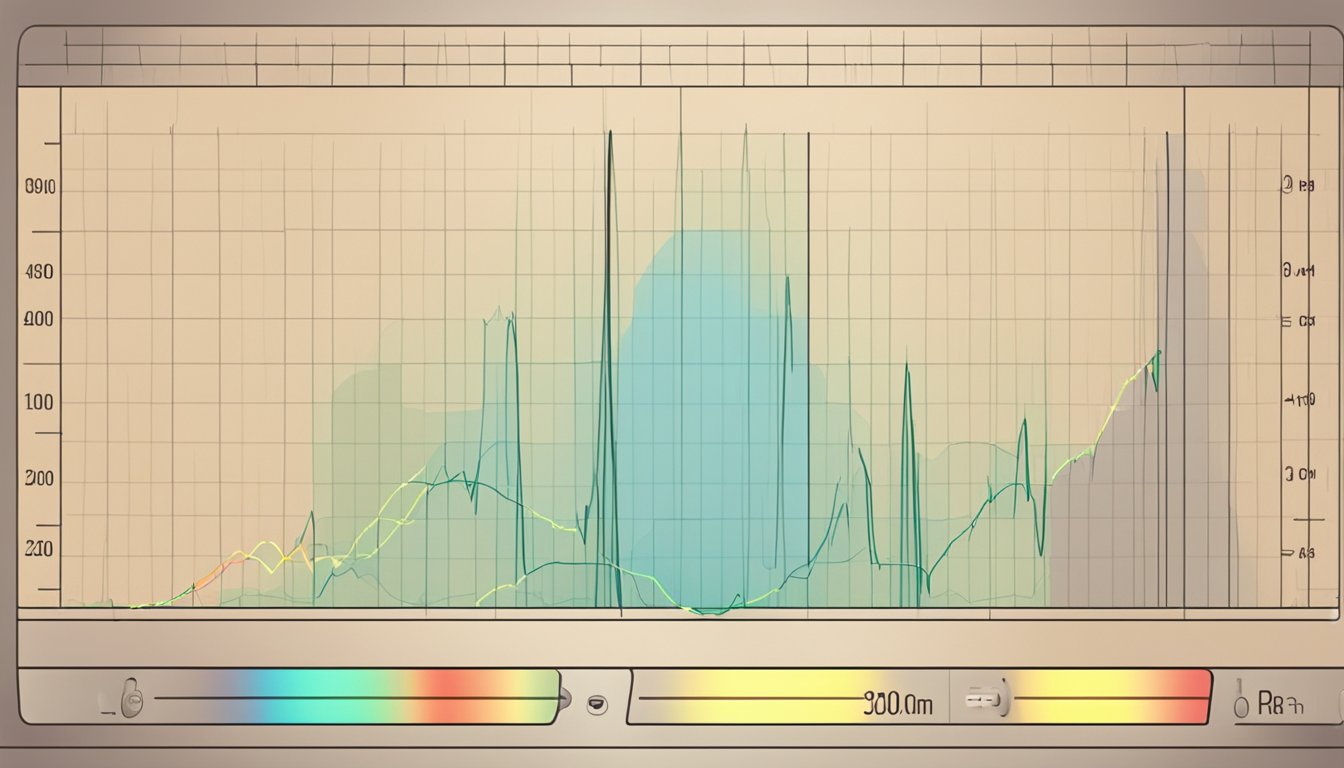
Fetal heart rate refers to the number of times the fetal heart beats per minute (BPM). It is an important indicator of the health of the fetus. The normal fetal heart rate usually ranges from 110 to 160 BPM. However, it is important to note that the fetal heart rate may vary within this range and still be considered normal.
Importance of Monitoring Fetal Heart Rate
Monitoring fetal heart rate is essential during pregnancy as it can help detect any potential problems with the fetus. It can also help determine the best course of action to ensure the health of the fetus. Fetal heart rate can be monitored using a fetal doppler or an electronic fetal monitor.
Gestational Age and Fetal Heart Rate
The fetal heart rate varies depending on the gestational age of the fetus. During the early stages of pregnancy, the fetal heart rate is typically around 110 BPM. However, by the ninth week of pregnancy, the fetal heart rate may speed up to 140 to 170 BPM. After this period, the fetal heart rate slows down to around 110 to 160 BPM until term.
It is important to note that the fetal heart rate may vary depending on various factors such as the activity level of the fetus, maternal health, and medication use. Therefore, it is important to consult a healthcare provider if there are any concerns about the fetal heart rate.
Overall, understanding fetal heart rate is essential for ensuring the health of the fetus. Monitoring fetal heart rate during pregnancy can help detect any potential problems and ensure the best course of action is taken to ensure the health of the fetus.
Methods of Monitoring Fetal Heart Rate
Non-Invasive Techniques
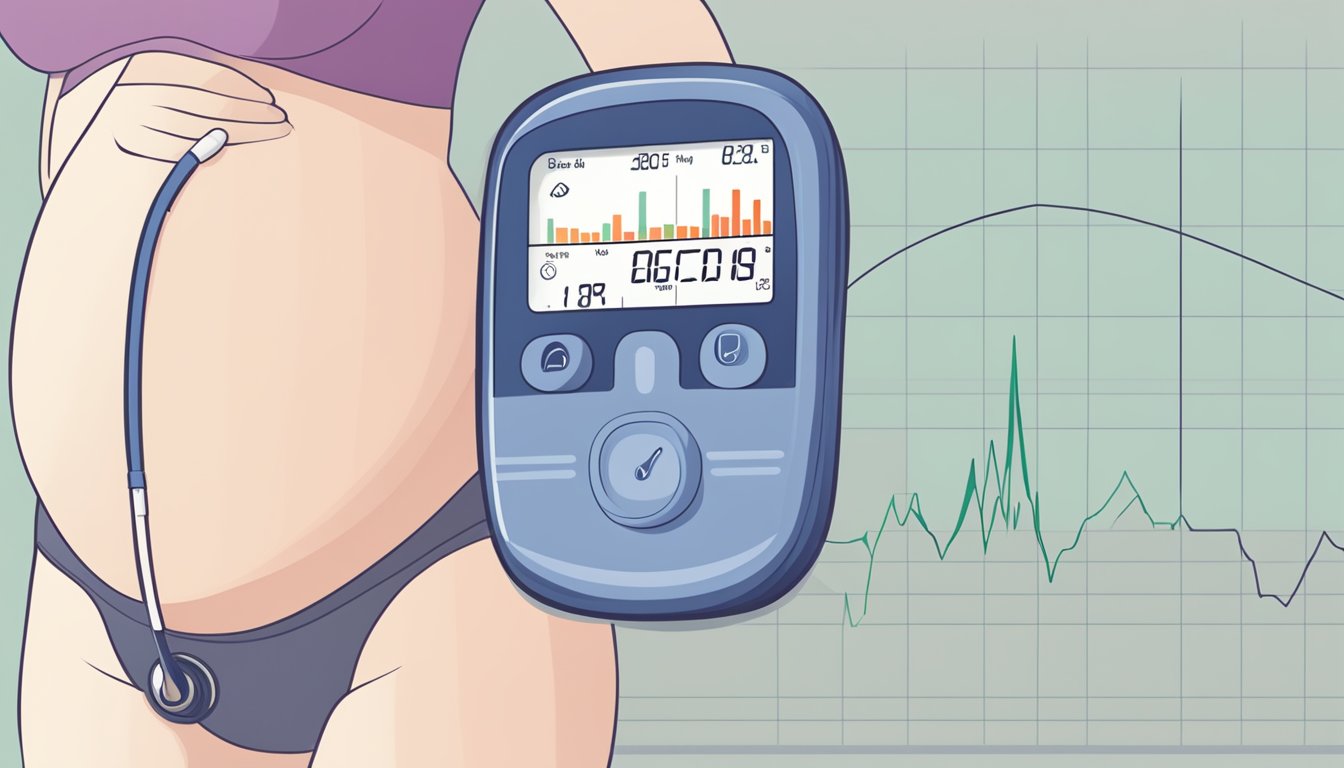
Non-invasive techniques for monitoring fetal heart rate (FHR) include ultrasound and external monitoring. Ultrasound is a safe and non-invasive way to monitor FHR. It uses high-frequency sound waves to create an image of the fetus and its heartbeat. External monitoring involves placing two sensors on the mother’s abdomen. The first sensor records the fetal heart rate, while the second records uterine contractions.
Invasive Techniques
Invasive techniques for monitoring FHR include internal monitoring. This involves inserting a small electrode through the cervix and into the uterus to directly measure the fetal heart rate. This technique is usually only used in high-risk pregnancies or when external monitoring is inadequate.
Intermittent vs Continuous Monitoring
Intermittent monitoring involves checking the fetal heart rate at specific intervals, usually every 30 minutes to an hour. This method is commonly used during labour and delivery. Continuous monitoring involves monitoring the fetal heart rate throughout labour and delivery. This method is usually reserved for high-risk pregnancies or when there are concerns about the baby’s well-being.
It is important to note that electronic fetal monitoring (EFM) is the most common method of monitoring fetal heart rate during labour. EFM uses a combination of external and internal monitoring to provide a continuous record of the fetal heart rate and uterine contractions.
Non-stress tests (NST) are another non-invasive method of monitoring fetal heart rate. NST involves placing two sensors on the mother’s abdomen to record the fetal heart rate and uterine contractions. The test is called a “non-stress” test because it does not put any stress on the fetus. The test is usually performed in the third trimester of pregnancy to check the baby’s well-being.
It is important to discuss the different methods of monitoring fetal heart rate with a healthcare provider to determine the best method for each individual pregnancy.
Interpreting Fetal Heart Rate Patterns
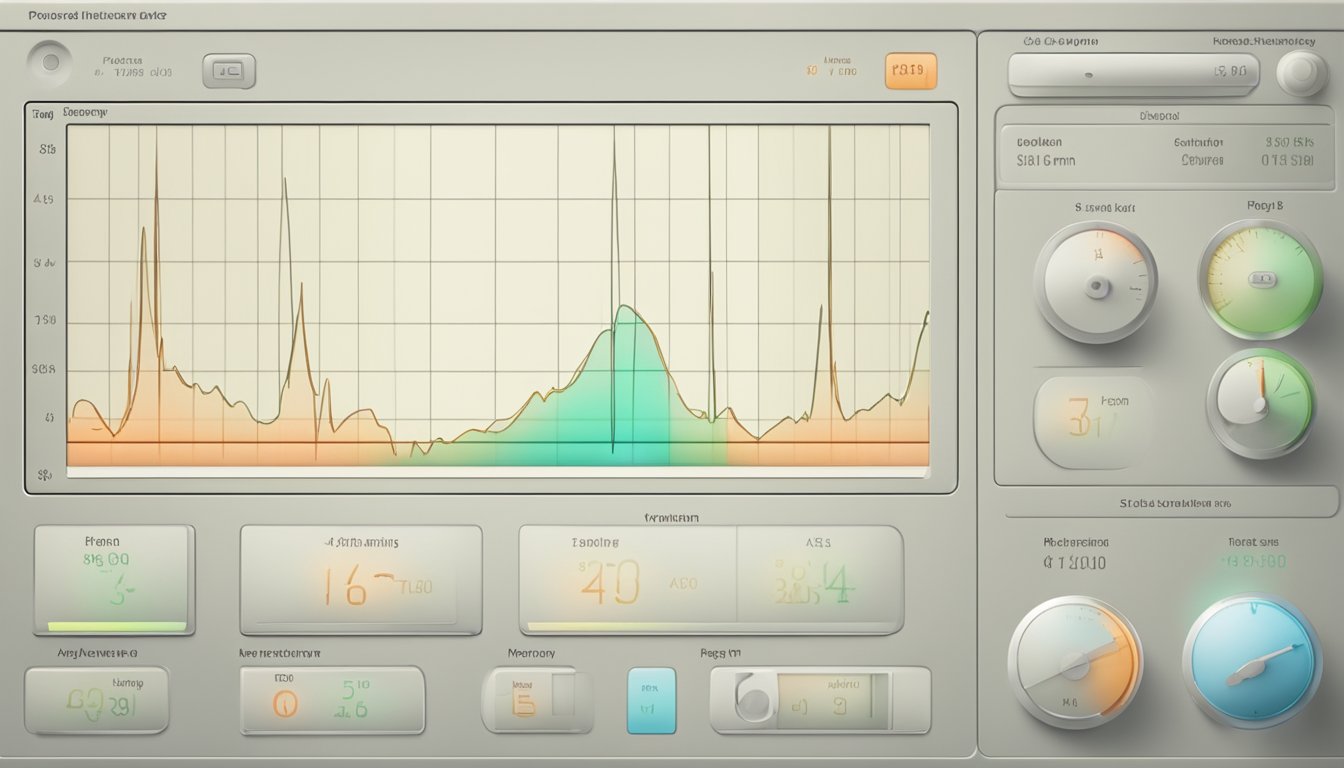
Interpreting fetal heart rate patterns is an important aspect of fetal monitoring during pregnancy. Fetal heart rate (FHR) refers to the number of times a fetus’s heart beats per minute. A normal FHR can range from 110 to 160 beats per minute (BPM).
Baseline Rate and Variability
The baseline rate is the average FHR over a 10-minute period, excluding accelerations and decelerations. The normal FHR baseline should range between 110 BPM to 160 BPM. The baseline rate can help determine the overall health of the fetus. FHR variability refers to the fluctuations in the baseline rate. Normal FHR variability is a sign of a healthy fetus and should range between 6 and 25 BPM.
Significance of Accelerations and Decelerations
Accelerations are temporary increases in the FHR and are a sign of fetal well-being. They can be caused by fetal movement or contractions. Decelerations, on the other hand, are temporary decreases in the FHR. Early decelerations are a normal response to fetal head compression during labour. Late decelerations, however, are a sign of fetal distress and can indicate insufficient oxygen supply to the fetus. Variable decelerations can be caused by umbilical cord compression and can also indicate fetal distress.
Identifying Abnormal Patterns
Abnormal FHR patterns can indicate fetal distress and require further evaluation. Bradycardia, which is a slow FHR of less than 110 BPM, can be caused by fetal hypoxia, maternal hypotension, or fetal heart block. Tachycardia, which is a fast FHR of more than 160 BPM, can be caused by fetal anemia, maternal fever, or fetal distress. Fetal bradycardia and tachycardia are both abnormal patterns and require immediate medical attention.
It is important to note that fetal heart rate patterns should be interpreted in the context of the overall clinical picture. Any concerns or abnormalities should be discussed with a healthcare professional.
Clinical Implications and Management

Role of Healthcare Providers
In the management of fetal heart rate, healthcare providers play a crucial role in ensuring the safety of the unborn child. Nurses, midwives, and physicians are responsible for interpreting and managing electronic fetal heart rate tracings during intrapartum fetal heart rate monitoring. Proper interpretation of the fetal heart rate pattern helps healthcare providers detect any abnormalities that may indicate infection, hypoxia, or uterine contractions.
Guidelines and Consensus
Guidelines and consensus on fetal heart rate monitoring have been developed to guide healthcare providers in the management of normal and abnormal fetal heart rates. The guidelines present general methods and techniques of practice that are currently acceptable based on current research and used by recognized authorities. The guidelines have been reviewed periodically and updated to ensure that healthcare providers have access to the most current information on fetal heart rate monitoring.
Managing Abnormal Fetal Heart Rates
Abnormal fetal heart rates require prompt attention and management to prevent adverse outcomes. Abnormal fetal heart rates may be caused by infection, hypoxia, or uterine contractions. To manage abnormal fetal heart rates, healthcare providers may use a variety of techniques including nonstress tests, electronic monitors, and computer screens. In cases where the fetal heart rate is persistently abnormal, healthcare providers may recommend intrapartum fetal heart rate monitoring to closely monitor the fetal heart rate pattern.
It is important to note that fetal heart rate monitoring is not a perfect science and that false alarms can occur. Healthcare providers should use their clinical judgment when interpreting fetal heart rate patterns and should not rely solely on electronic monitoring. In cases where fetal distress is suspected, healthcare providers should take appropriate action to ensure the safety of the unborn child.
It is important to seek medical advice from a qualified healthcare provider if you have any concerns about fetal heart rate monitoring or the health of your unborn child.
Getting assessed in Singapore
In Singapore, cardiovascular assessment is available through both the public and private sectors. Which tests are appropriate depends on your symptoms, risk factors and history rather than on choosing the most extensive option available. A GP or polyclinic can arrange a referral to a cardiologist, or a private clinic can be approached directly.
If this is relevant to your own situation, you can read what is involved in an ECG or a 24-hour Holter ECG assessment, or browse the cardiac services list.
Frequently Asked Questions
What is the typical range for fetal heart rate at various stages of pregnancy?
A normal fetal heart rate can range from 110 to 160 beats per minute (BPM). In the early stages of pregnancy, it is typically around 110 BPM. Fetal heart rate may speed up to 140 to 170 BPM around the ninth week and slow to around 110 to 160 BPM thereafter.
How does fetal heart rate differ between genders?
There is no significant difference in fetal heart rate between genders. The normal range for both male and female fetuses is the same.
What are the indications of a high fetal heart rate?
A high fetal heart rate, also known as tachycardia, may indicate fetal distress or an underlying medical condition. It can be caused by maternal fever, infection, or fetal anemia. If the fetal heart rate is consistently above 160 BPM, it is important to seek medical attention.
At what gestational age can a fetal heartbeat first be detected?
A fetal heartbeat can usually be detected by ultrasound around six weeks of gestation. However, it may not be visible until seven or eight weeks in some cases.
What factors can influence changes in fetal heart rate?
The fetal heart rate can be affected by various factors, including maternal activity, maternal stress, medications, and fetal sleep cycles. It is important to note that fetal heart rate can also naturally fluctuate within a normal range.
How is fetal well-being assessed through heart rate monitoring?
Fetal heart rate monitoring is an important tool for assessing fetal well-being during pregnancy. It can detect changes in fetal heart rate that may indicate fetal distress or an underlying medical condition. The frequency and duration of monitoring may vary depending on the individual case. It is important to consult with a healthcare provider regarding the appropriate monitoring plan for each pregnancy.
It is important to note that this information is intended for educational purposes only and should not replace medical advice from a healthcare professional. If you have any concerns or questions about fetal heart rate, please consult with your healthcare provider.
Further reading
- HealthHub — Cardiovascular Disease
- Health Promotion Board — Healthy Living
- American Heart Association — Health Topics
Disclaimer: This article is general information about cardiovascular health. It is not medical advice, diagnosis or treatment, and reading it does not create a doctor–patient relationship. Always seek the advice of your doctor or another qualified health professional with any questions you have about a medical condition, and never disregard or delay seeking medical advice because of something you have read here. If you think you may be having a medical emergency, call 995 or go to the nearest emergency department.