

Hydralazine heart rate: Hydralazine is a prescription medication that is used to treat high blood pressure (hypertension) and heart failure. The drug works by relaxing the blood vessels, which in turn lowers blood pressure.
Hydralazine is a prescription medication that is used to treat high blood pressure (hypertension) and heart failure. The drug works by relaxing the blood vessels, which in turn lowers blood pressure. Hydralazine is known to cause an increase in heart rate, which can lead to angina symptoms. It is not generally considered a preferred agent for blood pressure-lowering, but it may be used in combination with other recommended treatments in people whose blood pressure is difficult to control.
Pharmacologically, hydralazine belongs to a family of medicines called vasodilators. It is primarily used to treat hypertension and hypertensive urgency/emergency. It has also been utilized in the treatment of eclampsia along with heart failure with reduced ejection fraction (HFrEF) when in combination with isosorbide dinitrate. The drug is available in tablet form, and the dosage will depend on the individual’s condition and response to treatment.
Clinical usage of hydralazine requires careful consideration of the potential side effects and adverse reactions. Common side effects include headache, loss of appetite, nausea, vomiting, diarrhea, fast heart rate, and chest pain. Patients should not stop taking hydralazine suddenly, as doing so may lead to uncontrolled blood pressure. It is important for patients to discuss any concerns or questions about hydralazine with their healthcare provider.
Key Takeaways
- Hydralazine is a vasodilator medication used to treat hypertension and heart failure.
- The drug can cause an increase in heart rate and is not considered a preferred agent for blood pressure-lowering.
- Patients should be aware of potential side effects and adverse reactions and should not stop taking hydralazine suddenly without consulting their healthcare provider.
Pharmacology of Hydralazine
Mechanism of Action
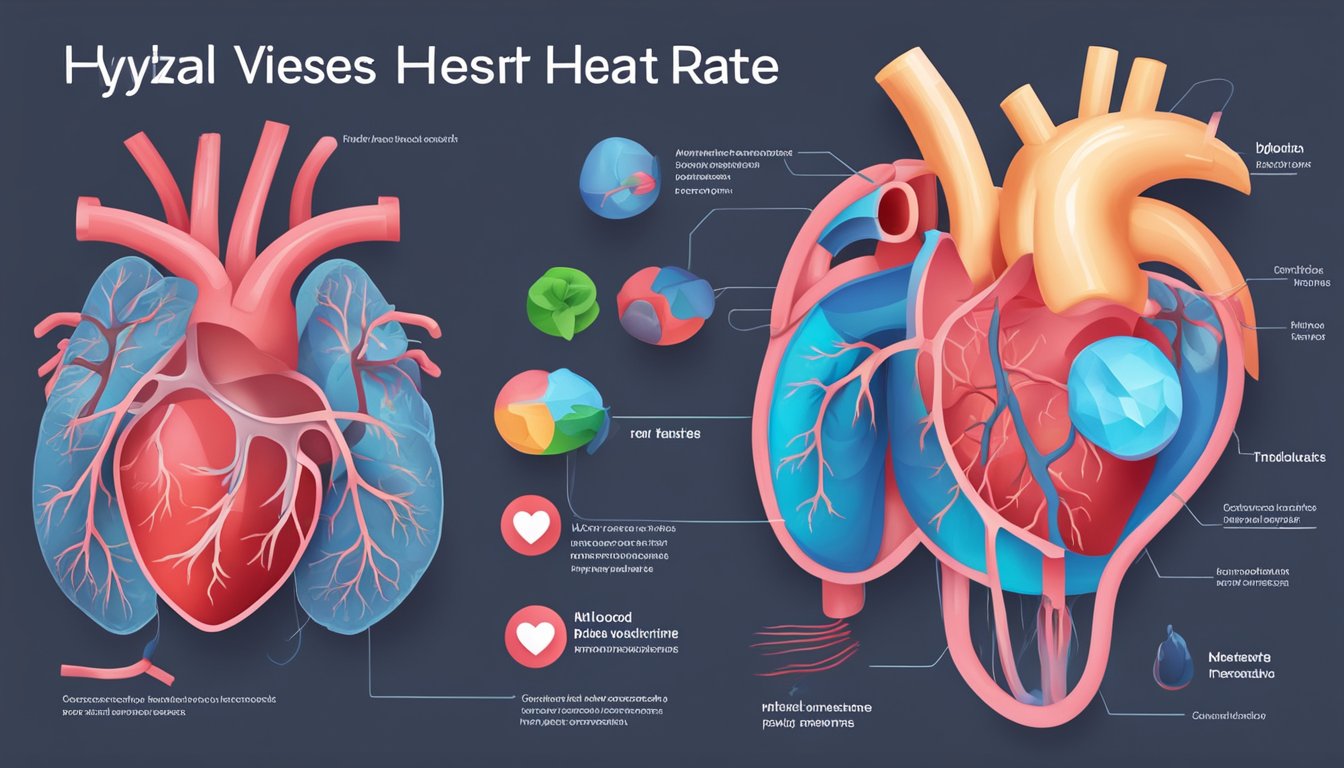
Hydralazine is a vasodilator that works by relaxing the smooth muscles of the blood vessels, leading to an increase in their diameter. This results in a reduction in blood pressure, as the heart does not have to work as hard to pump blood through the dilated vessels. The mechanism of action of hydralazine involves the release of nitric oxide, which activates guanylate cyclase and increases the production of cyclic guanosine monophosphate (cGMP). cGMP causes relaxation of the smooth muscles of the blood vessels, leading to vasodilation.
Effects on Heart Rate and Blood Pressure
Hydralazine has a direct effect on the heart rate, leading to an increase in its rate. This effect is due to the reflex response of the body to the vasodilation caused by hydralazine. When the blood vessels dilate, the body senses a drop in blood pressure and responds by increasing the heart rate to maintain the blood flow. This reflex response is more pronounced in patients with pre-existing hypertension.
Hydralazine also has an effect on the blood pressure, leading to a reduction in its level. The reduction in blood pressure is due to the vasodilation caused by hydralazine. The vasodilation leads to a reduction in the resistance to blood flow, resulting in a decrease in blood pressure.
It is important to note that hydralazine should be used with caution in patients with pre-existing heart conditions, as the increase in heart rate can exacerbate their condition. Additionally, hydralazine should be used with caution in patients with liver or kidney disease, as it can cause an accumulation of the drug in the body, leading to toxicity.
Overall, hydralazine is an effective vasodilator that can be used to treat hypertension and heart failure. However, its use should be carefully monitored and adjusted to avoid adverse effects.
Clinical Usage
Hydralazine is a medication used in the treatment of high blood pressure and heart failure. It works by relaxing the blood vessels, allowing blood to flow more easily through them. This results in a decrease in blood pressure and an increase in cardiac output.
Indications for Hydralazine
Hydralazine is indicated for the treatment of hypertension, including hypertension associated with renal disease and malignant hypertension. It is also used in the treatment of heart failure, particularly in patients who cannot tolerate beta-blockers and ACE inhibitors or ARBs.
Dosage and Administration
Hydralazine is available in tablet form and is typically taken two to four times a day, depending on the individual patient’s needs. The dosage of hydralazine should be individualised based on the patient’s blood pressure response. The starting dose is usually 10mg four times daily. The dose can be increased gradually to a maximum of 200mg per day.
Contraindications and Cautions
Hydralazine should not be used in patients with a history of hypersensitivity to the drug or with coronary artery disease. It should be used with caution in patients with a history of lupus erythematosus, as it may exacerbate the disease. Hydralazine can cause tachycardia, and should be used with caution in patients with a history of arrhythmias. It should also be used with caution in patients with renal impairment, as it is primarily excreted by the kidneys.
Hydralazine should only be used under the supervision of a doctor or pharmacist. Patients should follow the prescribed dosage and report any side effects or changes in blood pressure to their healthcare provider. It is important to note that hydralazine should not be stopped abruptly, as this can cause rebound hypertension.
Side Effects and Adverse Reactions
Hydralazine is a medication that is used to treat high blood pressure. However, like any medication, it comes with a risk of side effects and adverse reactions. In this section, we will discuss the common side effects and serious adverse effects of hydralazine.
Common Side Effects
The most common side effects of hydralazine include headache, nausea, vomiting, and dizziness. These side effects are usually mild and go away on their own. Patients who experience these side effects should inform their healthcare provider.
Serious Adverse Effects
Although rare, hydralazine can cause serious adverse effects. Patients should seek medical attention immediately if they experience any of the following:
- Rash
- Allergic reactions
- Heart attack
- Stroke
Hydralazine can cause an allergic reaction in some patients. Symptoms of an allergic reaction include rash, itching, swelling, dizziness, and difficulty breathing. Patients who experience any of these symptoms should seek medical attention immediately.
Hydralazine can also cause a heart attack or stroke in some patients. Patients who experience chest pain, shortness of breath, or weakness on one side of the body should seek medical attention immediately.
It is important to note that this is not a complete list of side effects and adverse reactions. Patients should discuss any concerns or questions with their healthcare provider. Patients should also inform their healthcare provider of any other medications they are taking, as some medications can interact with hydralazine.
In conclusion, hydralazine can cause both common and serious side effects and adverse reactions. Patients should inform their healthcare provider if they experience any side effects or adverse reactions. Patients should also seek medical attention immediately if they experience any serious adverse effects.
Patient Considerations

Interactions with Other Medications
Hydralazine may interact with other medications, including beta-blockers, calcium channel blockers, and diuretics, which can lead to an increased risk of hypotension. Therefore, it is important to inform the prescribing physician of any other medications being taken before starting hydralazine.
Lifestyle and Dietary Considerations
Hydralazine may cause dizziness or lightheadedness, which can be exacerbated by alcohol consumption. Therefore, patients should avoid or limit alcohol intake while taking hydralazine. Additionally, a balanced diet is recommended to maintain overall cardiovascular health.
Special Populations
Hydralazine should be used with caution in patients with liver or kidney disease, as it is primarily metabolized by the liver and excreted by the kidneys. Dose adjustments may be necessary in these patients.
Hydralazine should also be used with caution in pregnant or breastfeeding women, as there is limited data on its safety in these populations. It is important to discuss the risks and benefits of hydralazine with a healthcare provider before use.
Hydralazine may also be contraindicated in patients with systemic lupus erythematosus, as it has been associated with drug-induced lupus erythematosus. Patients with a history of this condition should inform their healthcare provider before starting hydralazine.
It is important to note that this information is not exhaustive and that patients should always consult with a healthcare provider before starting any new medication.
Getting assessed in Singapore
In Singapore, cardiovascular assessment is available through both the public and private sectors. Which tests are appropriate depends on your symptoms, risk factors and history rather than on choosing the most extensive option available. A GP or polyclinic can arrange a referral to a cardiologist, or a private clinic can be approached directly.
Readers looking into this next usually want to know about an ECG or 24-hour Holter ECG monitoring; the clinic directly is also listed.
Frequently Asked Questions
What are the effects of hydralazine on cardiac rhythm?
Hydralazine is known to increase heart rate, which can lead to tachycardia. However, it is not known to cause arrhythmias or other disturbances to cardiac rhythm. Patients with pre-existing heart conditions should be monitored closely while taking hydralazine.
Is it safe to administer hydralazine in the presence of bradycardia?
Hydralazine should be used with caution in patients with bradycardia, as it can further decrease heart rate. In some cases, it may be necessary to withhold hydralazine or use an alternative therapy.
How does hydralazine influence systolic and diastolic blood pressure?
Hydralazine is a vasodilator that works by relaxing the smooth muscles in the blood vessels, which leads to a decrease in blood pressure. It is more effective at reducing diastolic blood pressure compared to systolic blood pressure.
What are the common side effects associated with hydralazine therapy?
Common side effects of hydralazine include headache, dizziness, flushing, and palpitations. More serious side effects can include dangerously low blood pressure, heart attack, and lupus-like symptoms. Patients taking hydralazine should be monitored closely for adverse effects.
Under what circumstances should one withhold hydralazine due to blood pressure readings?
Hydralazine should be withheld if the patient’s blood pressure drops too low. In general, a systolic blood pressure of less than 90 mmHg or a diastolic blood pressure of less than 60 mmHg is considered too low. Patients with pre-existing heart conditions should be monitored closely while taking hydralazine.
What is the pharmacological mechanism by which hydralazine acts upon the cardiovascular system?
Hydralazine is a direct-acting vasodilator that works by relaxing the smooth muscles in the blood vessels, which leads to a decrease in blood pressure. It is thought to act by increasing the production of nitric oxide, which is a potent vasodilator. Hydralazine also increases heart rate and the volume of blood pumped with each heartbeat, which can improve overall heart performance.
Further reading
- HealthHub — Cardiovascular Disease
- Health Promotion Board — Healthy Living
- American Heart Association — Health Topics
Disclaimer: This article is general information about cardiovascular health. It is not medical advice, diagnosis or treatment, and reading it does not create a doctor–patient relationship. Always seek the advice of your doctor or another qualified health professional with any questions you have about a medical condition, and never disregard or delay seeking medical advice because of something you have read here. If you think you may be having a medical emergency, call 995 or go to the nearest emergency department.