

A leaky heart valve, also known as valve regurgitation, is a condition where one or more of the heart’s valves do not close tightly, allowing blood to flow backward. This can cause a range of symptoms, including fatigue, shortness of breath, and heart palpitations.
Understanding Leaky Heart Valves is important, as it is a common form of heart valve disease that can lead to serious complications if left untreated. The severity of the condition depends on how much blood is leaking backward and which valve is affected. Treatment options vary depending on the severity of the condition and may include medication, lifestyle changes, or surgery.
Symptoms of a leaky heart valve can be subtle at first and may not be noticed until the condition has progressed. It is essential to seek medical attention if you experience any of the symptoms associated with valve regurgitation. Early diagnosis and treatment can help prevent complications and improve your quality of life.
Key Takeaways
- Leaky heart valve is a condition where one or more of the heart’s valves do not close tightly, causing blood to flow backward.
- Symptoms of a leaky heart valve can be subtle, and early diagnosis and treatment are essential to prevent complications.
- Treatment options for a leaky heart valve depend on the severity of the condition and may include medication, lifestyle changes, or surgery.
Understanding Leaky Heart Valves
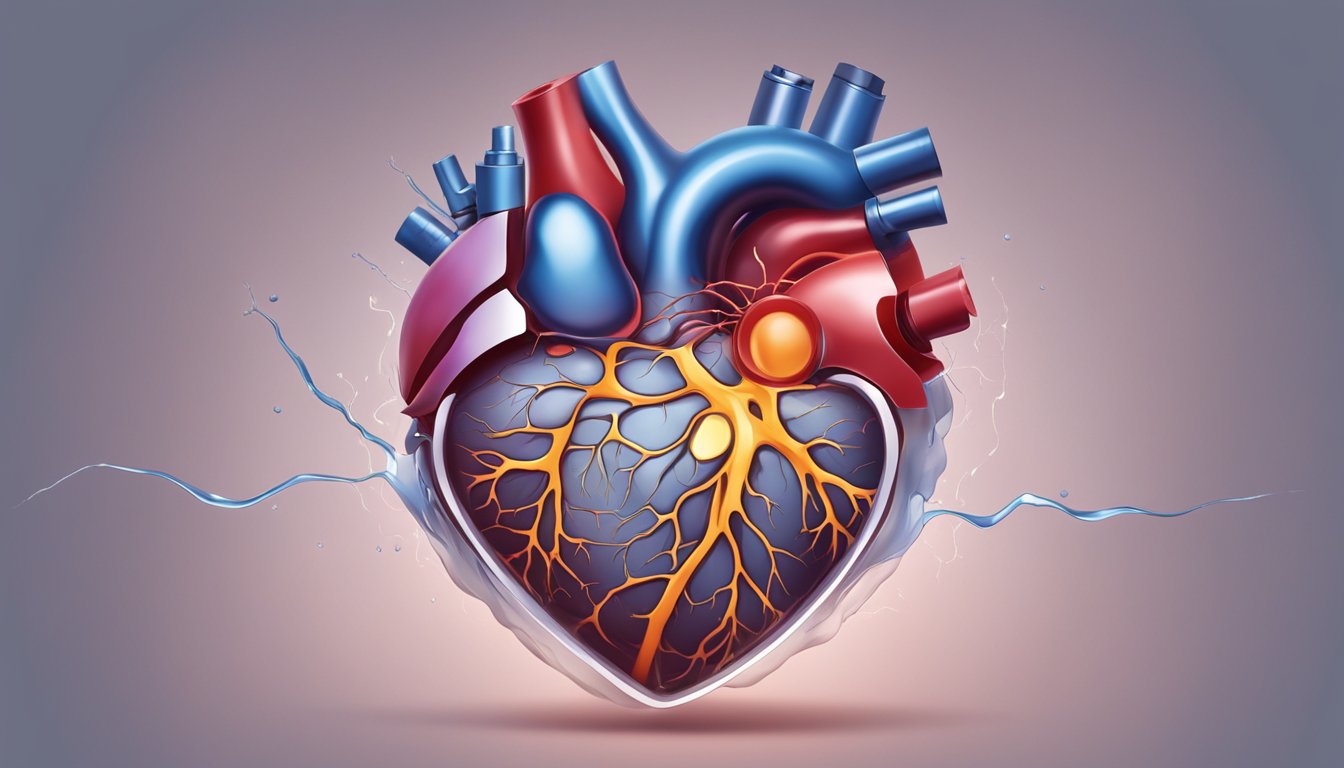
Leaky heart valves, also known as valve regurgitation, is a common condition that occurs when one or more of the heart valves do not close properly, leading to the backward flow of blood through the valve. The condition can be mild and may not require treatment, or it can be severe and require surgery to repair or replace the valve.
Anatomy of Heart Valves
The heart has four valves that keep the blood flowing in the right direction. These valves are the aortic valve, mitral valve, pulmonary valve, and tricuspid valve. Each valve has flaps, called leaflets or cusps, that open and close during each heartbeat to allow blood to flow through the heart. The aortic valve controls blood flow from the heart to the rest of the body, while the mitral valve controls blood flow between the heart’s two left chambers. The pulmonary valve controls blood flow from the heart to the lungs, and the tricuspid valve controls blood flow between the heart’s two right chambers.
Causes of Valve Regurgitation
Leaky heart valves can be caused by a variety of factors, including congenital heart defects, rheumatic fever, Marfan syndrome, and bicuspid aortic valve. In some cases, the cause of valve regurgitation is unknown. The most common causes of valve regurgitation are mitral regurgitation and aortic regurgitation. Mitral regurgitation occurs when the mitral valve does not close properly, allowing blood to flow back into the left atrium. Aortic regurgitation occurs when the aortic valve does not close properly, allowing blood to flow back into the left ventricle.
Symptoms and Diagnosis
Many people with leaky heart valves may not experience any symptoms. However, some people may experience symptoms such as shortness of breath, fatigue, palpitations, or a heart murmur. To diagnose a leaky heart valve, a doctor may perform an echocardiogram, electrocardiogram, chest X-ray, CT scan, or cardiac catheterization. These tests can help determine the severity of the valve regurgitation and whether treatment is necessary.
It is important to note that this article is not intended to replace medical advice. If you are experiencing any symptoms or have concerns about your heart health, it is important to consult a medical professional.
Treatment and Management

Medical Interventions
Treatment options for a leaky heart valve depend on the severity of the condition and the symptoms experienced by the patient. Medications, surgery, and catheter procedures are all possible treatments.
Medication may be prescribed to manage symptoms such as fluid buildup and prevent or manage complications. Diuretics may be used to reduce fluid buildup, while blood thinners may be prescribed to reduce the risk of blood clots.
In some cases, surgery may be necessary to repair or replace the damaged valve. Valve repair surgery is typically preferred over valve replacement surgery, as it preserves the patient’s own tissue. Valve replacement surgery may be necessary if the valve damage is severe or if repair is not possible.
Catheter procedures may also be used to treat a leaky heart valve. Valvuloplasty involves using a catheter to insert a balloon into the valve and inflate it to widen the opening. This procedure may be used to treat valve stenosis, which is a narrowing of the valve opening.
Lifestyle Adjustments
In addition to medical interventions, lifestyle adjustments can also help manage a leaky heart valve. Maintaining a healthy weight, exercising regularly, and following a healthy diet can all help reduce the risk of complications.
Smoking should be avoided, as it can increase the risk of heart attack and other complications. Patients with a leaky heart valve should also be careful to avoid infections, as endocarditis can be a serious complication.
Regular checkups with a healthcare professional can help monitor the condition and ensure that appropriate treatment is being provided. Patients may also need to take antibiotics before certain dental or medical procedures to reduce the risk of infection.
It is important to note that treatment options for a leaky heart valve may vary depending on the individual case, and patients should consult with a healthcare professional to determine the most appropriate course of action.
Complications and Prognosis
Potential Complications
A leaky heart valve can lead to several complications if left untreated. The heart has to work harder to pump blood efficiently, which can cause strain on the heart and lead to heart failure. The American Heart Association states that heart valve disease can cause an irregular heartbeat, fainting, and fatigue.
Blood clots can also form in the heart due to the inefficient blood flow, which can lead to a stroke or other health problems. Infections can also occur due to the strain on the heart, especially in individuals with weakened immune systems.
Swelling can occur in the legs, ankles, and feet due to fluid retention caused by the leaky valve. This swelling can also lead to strain on the heart and increase the risk of heart failure.
Living with a Leaky Valve
Individuals with a leaky heart valve can live a normal life with proper management and treatment. It is important to monitor and manage any symptoms, such as lightheadedness, dizziness, or a rapid heartbeat, and seek medical attention if they persist.
Risk factors for developing a leaky heart valve include high blood pressure, infections, and cardiomyopathy. Regular check-ups with a healthcare team can help manage these risk factors and prevent complications.
Treatment options for a leaky heart valve include medication, surgical repair, or valve replacement. The decision for treatment is based on the severity of the leak and the individual’s health status.
In some cases, a leaky heart valve may not cause symptoms or complications and may not require treatment. However, it is important to monitor the condition and manage any potential risks.
It is important to note that the prognosis for individuals with a leaky heart valve varies based on the severity of the leak and the individual’s overall health. Proper management and treatment can improve the prognosis and prevent complications.
Getting assessed in Singapore
In Singapore, cardiology is provided in both the public and private sectors. Public heart services are concentrated at the National Heart Centre Singapore and the cardiology departments of the restructured hospitals, while private cardiologists practise from medical centres attached to private hospitals. A GP or polyclinic can arrange a referral, or a private clinic can be contacted directly.
If this is relevant to your own situation, you can read what is involved in an echocardiogram or TAVI, or browse the cardiac services list.
Frequently Asked Questions

What are the primary causes of a valvular insufficiency?
Valvular insufficiency, also known as a leaky heart valve, can be caused by a variety of factors. The most common causes include age-related wear and tear, congenital heart defects, infections, and diseases such as rheumatic fever. Other factors that can contribute to the development of a leaky valve include high blood pressure, heart attacks, and certain medications.
What signs might indicate the presence of a valvular leakage?
The symptoms of a leaky heart valve can vary depending on the severity of the condition. In some cases, there may be no noticeable symptoms, while in others, symptoms may include fatigue, shortness of breath, chest pain, and swelling in the legs and feet. If you are experiencing any of these symptoms, it is important to speak with a healthcare professional to determine the underlying cause.
Which exercises are recommended for individuals with a valvular regurgitation?
Individuals with a leaky heart valve should speak with their healthcare provider before beginning any new exercise regimen. In general, low-impact exercises such as walking, cycling, and swimming are recommended. High-intensity exercises such as running and weightlifting may be more challenging and should be approached with caution.
What are the current treatment options for a regurgitant valve?
The treatment options for a leaky heart valve depend on the severity of the condition. In mild cases, no treatment may be necessary, and the condition may be monitored through regular check-ups with a healthcare provider. In more severe cases, medications such as diuretics and blood thinners may be prescribed to manage symptoms. In some cases, surgical intervention may be necessary to repair or replace the damaged valve.
What is the prognosis for individuals diagnosed with valvular heart disease?
The prognosis for individuals with valvular heart disease depends on the severity of the condition and the underlying cause. With appropriate treatment and management, many individuals with a leaky heart valve are able to lead normal, healthy lives. However, in some cases, the condition may progress and lead to more severe complications.
Is it possible to rectify valvular regurgitation without surgical intervention?
In some cases, valvular regurgitation may be managed without surgical intervention. This may involve medications to manage symptoms and regular monitoring by a healthcare provider. However, in more severe cases, surgical intervention may be necessary to repair or replace the damaged valve. It is important to speak with a healthcare provider to determine the best course of treatment for your individual case.
Related on this site
Further reading
- National Heart Centre Singapore — Conditions & Treatments
- SingHealth — Conditions & Treatments
- HealthHub — Cardiovascular Disease
Disclaimer: This article is general information about cardiovascular health. It is not medical advice, diagnosis or treatment, and reading it does not create a doctor–patient relationship. Always seek the advice of your doctor or another qualified health professional with any questions you have about a medical condition, and never disregard or delay seeking medical advice because of something you have read here. If you think you may be having a medical emergency, call 995 or go to the nearest emergency department.