

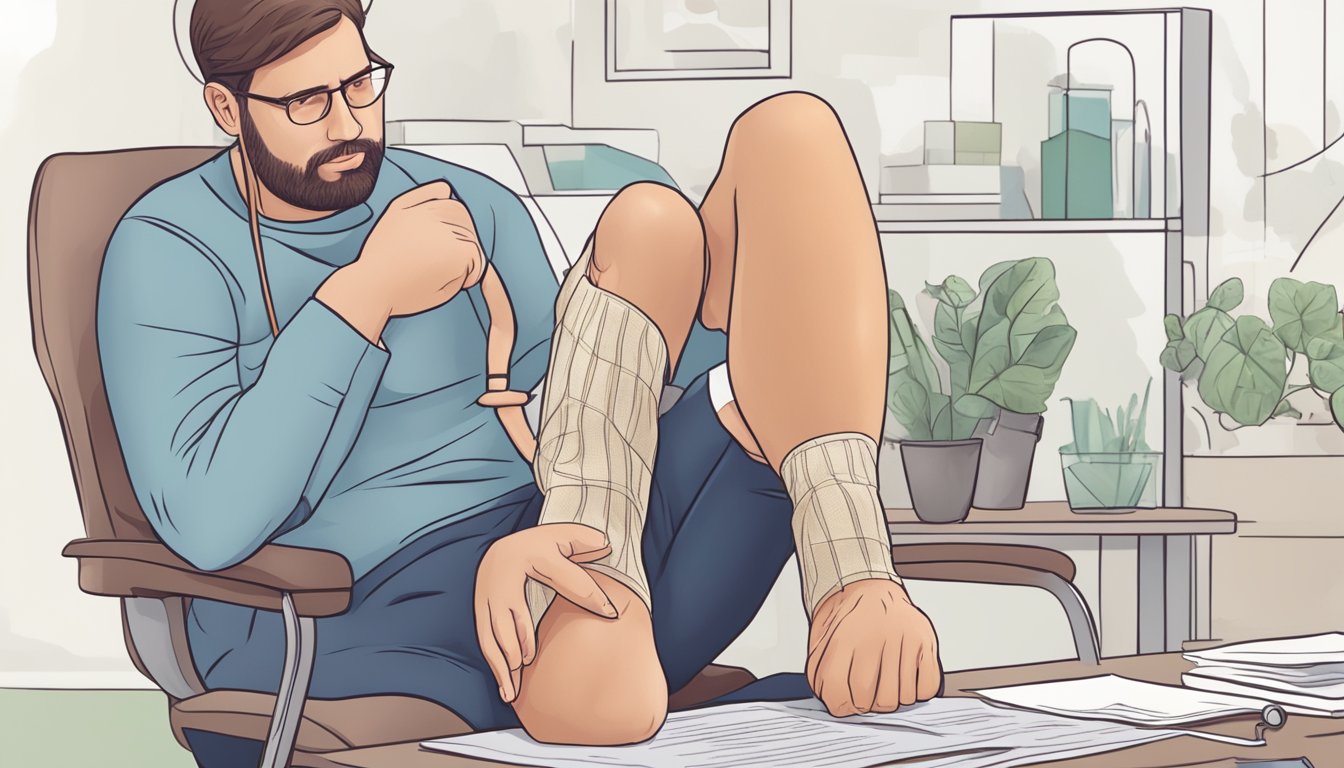
Leg pain is a common symptom of congestive heart failure (CHF). CHF is a condition that occurs when the heart cannot pump enough blood to meet the body’s needs. Leg pain in CHF can be caused by a variety of factors, including fluid buildup, poor circulation, and nerve damage.
One of the most common causes of leg pain in CHF is fluid buildup. When the heart is unable to pump blood effectively, fluid can accumulate in the legs, causing swelling and discomfort. This can lead to pain, stiffness, and cramping in the legs. In some cases, the skin may also become red and warm to the touch.
Another cause of leg pain in CHF is poor circulation. When the heart is not functioning properly, blood flow to the legs can be reduced, leading to a lack of oxygen and nutrients to the muscles. This can cause pain, numbness, and tingling in the legs. In severe cases, the skin may become discoloured and begin to break down.
Key Takeaways
- Leg pain is a common symptom of congestive heart failure.
- Leg pain in CHF can be caused by fluid buildup, poor circulation, and nerve damage.
- Treatment for leg pain in CHF may include medication, lifestyle changes, and physical therapy.
Understanding Congestive Heart Failure
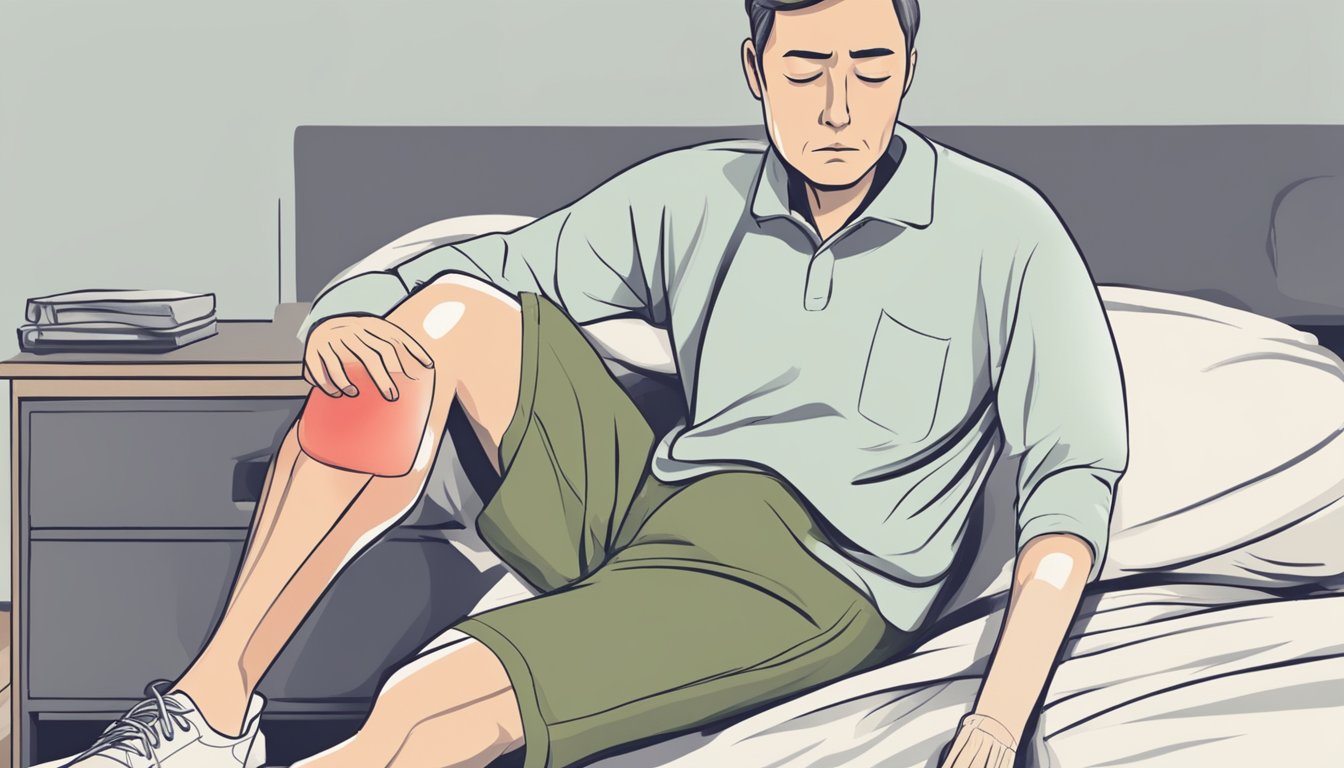
Congestive heart failure (CHF) is a chronic condition that occurs when the heart muscle is too weak or when another health problem prevents it from circulating blood efficiently. In CHF, the heart cannot pump enough blood to meet the body’s needs, leading to a buildup of fluid in the lungs and other parts of the body.
Pathophysiology and Symptoms
CHF is a complex clinical syndrome characterized by inefficient myocardial performance, resulting in compromised blood supply to the body. CHF results from any disorder that impairs ventricular filling or ejection of blood to the systemic circulation. Some of the common symptoms of CHF include shortness of breath, fatigue, coughing, wheezing, swelling in the feet, ankles, or legs, and difficulty sleeping.
Risk Factors and Causes
Several factors can increase the risk of developing CHF, including coronary artery disease, high blood pressure, diabetes, obesity, family history, congenital heart defects, and certain medications. Other causes of CHF include heart valve disease, myocarditis, and arrhythmias.
Diagnosing Heart Failure
Diagnosis of CHF involves a thorough physical examination, blood tests, electrocardiogram (ECG), echocardiogram, stress tests, and MRI. Blood tests can help detect any underlying conditions that may be causing CHF, such as anaemia or thyroid disease. ECG and echocardiogram can help detect any abnormalities in the heart’s electrical activity and structure. Stress tests can help evaluate the heart’s response to physical activity, and MRI can provide detailed images of the heart’s structure and function.
It is important to note that the symptoms of CHF can vary depending on the severity of the condition. If you experience any of the symptoms mentioned above, it is essential to seek medical attention promptly. This article is for informational purposes only and should not be used as a substitute for professional medical advice.
Leg Pain in Congestive Heart Failure
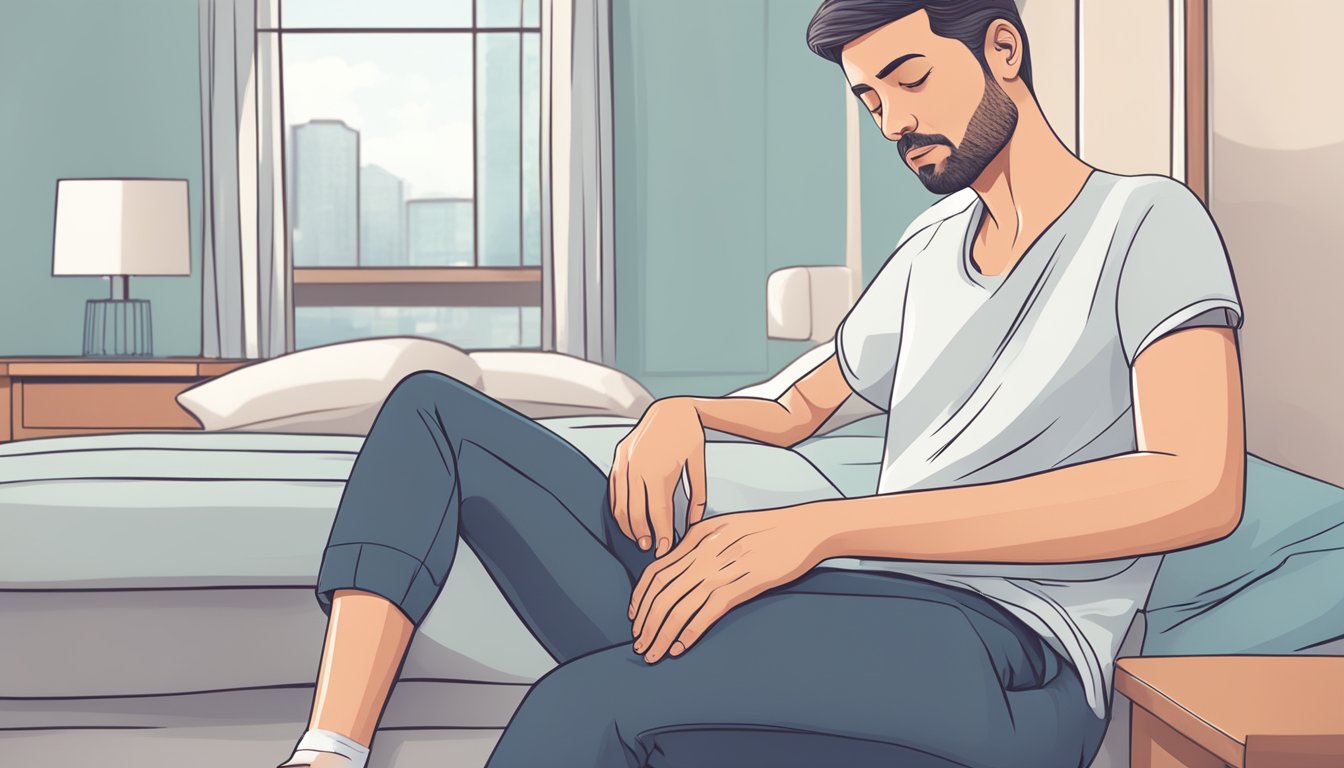
Leg pain is a common symptom experienced by people with congestive heart failure (CHF). CHF is a condition where the heart is unable to pump enough blood to meet the body’s needs. This can lead to fluid retention and swelling in the legs, which can cause pain and discomfort.
Causes of Leg Pain
Leg pain in CHF can have several causes, including poor blood flow, peripheral artery disease, venous thromboembolism, nerve damage, and claudication. Poor blood flow can occur due to the heart’s inability to pump blood effectively, leading to reduced oxygen supply to the muscles in the legs. Peripheral artery disease and venous thromboembolism can also cause leg pain and swelling by obstructing blood flow.
Nerve damage can occur due to the accumulation of fluid in the legs, leading to compression of the nerves. This can cause numbness, tingling, and pain in the legs. Claudication is another common cause of leg pain in CHF. It occurs due to the narrowing of the arteries in the legs, leading to reduced blood flow and pain during physical activity.
Assessment and Diagnosis
Assessment and diagnosis of leg pain in CHF involve a thorough physical examination and medical history. The doctor may check for swelling, redness, and tenderness in the legs. They may also check for signs of fluid retention, such as weight gain and abdominal swelling.
Tests such as Doppler ultrasound, CT scan, and MRI may be used to evaluate blood flow and detect any obstructions. Blood tests may also be done to check for underlying medical conditions that may be contributing to leg pain.
It is essential to seek medical attention if you experience leg pain, especially if it is severe or accompanied by other symptoms such as shortness of breath or chest pain. Early diagnosis and treatment can help prevent complications and improve quality of life.
Treatment and Management
Congestive heart failure is a chronic condition that requires ongoing management. Treatment options include medical treatments, lifestyle modifications, and advanced therapies.
Medical Treatments
Medical treatments for congestive heart failure include medications such as diuretics, beta-blockers, angiotensin receptor blockers, statins, and blood thinners. These medications can help to reduce blood pressure and improve heart function. In some cases, surgery may be necessary to open blocked arteries or to place a device to help the heart work better.
Lifestyle Modifications
Lifestyle modifications are an important part of managing congestive heart failure. Patients are advised to follow a heart-healthy diet, engage in regular physical activity, quit smoking, and limit alcohol use. Weight gain can be a sign of fluid buildup, so it is important to monitor weight regularly. Patients should also monitor their blood pressure regularly and take any prescribed medications as directed.
Advanced Therapies
Advanced therapies for congestive heart failure include heart transplant, device implantation, and mechanical circulatory support. These therapies are typically reserved for patients with advanced heart failure who have not responded to other treatments. Hospice care may also be considered for patients with end-stage heart failure.
It is important for patients with congestive heart failure to work closely with their healthcare provider to develop a personalized treatment plan. Patients should also be aware of the signs and symptoms of worsening heart failure, such as shortness of breath, fatigue, and swelling, and seek medical attention promptly if these symptoms occur.
Monitoring and Long-Term Care
Follow-Up and Rehabilitation
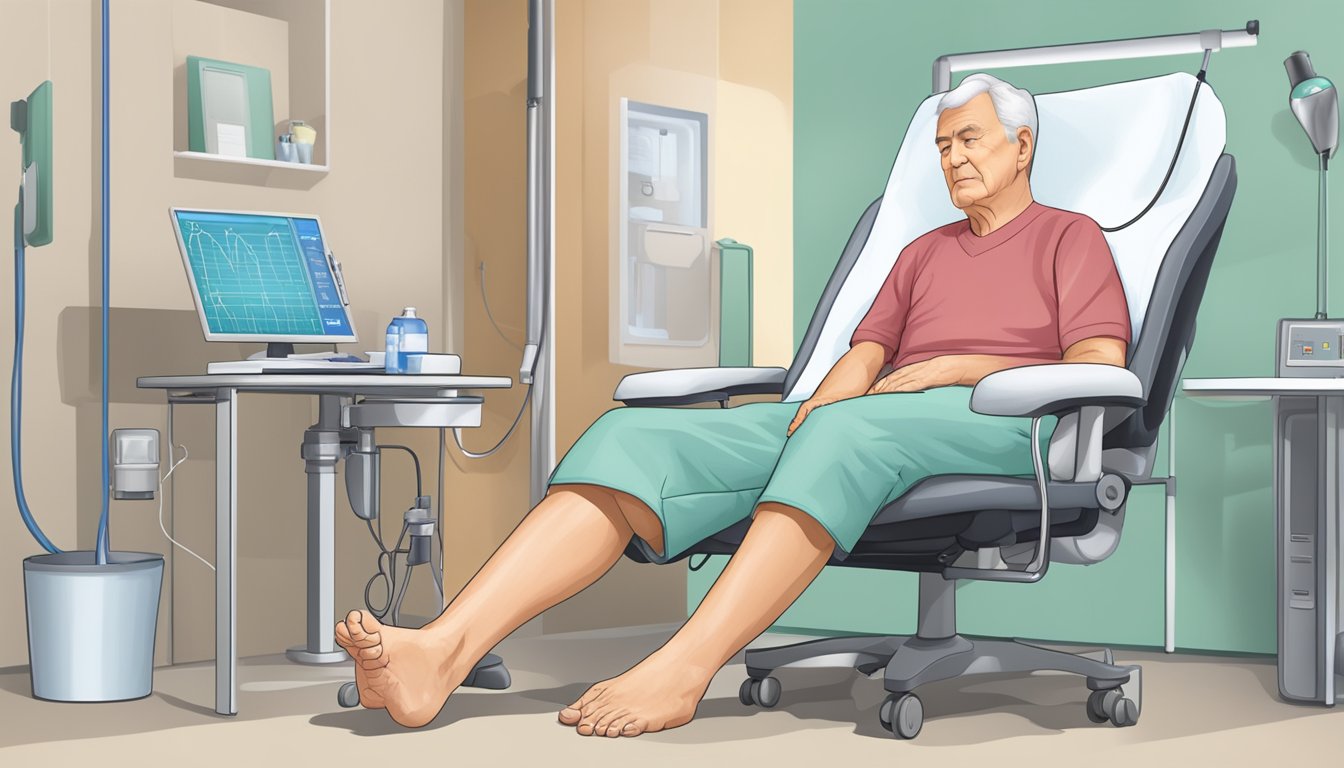
Patients with leg pain due to congestive heart failure require long-term care and monitoring to manage their symptoms and prevent complications. The primary care provider will schedule regular follow-up appointments to assess the patient’s condition and adjust medications as needed.
In addition to medications, rehabilitation and lifestyle modifications are essential components of long-term care for patients with congestive heart failure. Rehabilitation programs are designed to improve heart health, blood vessels, and lung function, and to reduce the risk of complications. Patients may also receive education on stress management, vaccinations, and other preventive measures.
Preventing Complications
Patients with congestive heart failure are at increased risk of developing complications such as chest pain, shortness of breath, fatigue, wheezing, nausea, weakness, and cough. Regular monitoring can help detect these complications early and prevent them from becoming more severe.
To reduce the risk of complications, patients should follow a healthy lifestyle, including a balanced diet, regular exercise, and stress management. It is also important to manage any underlying risk factors such as high blood pressure, diabetes, and obesity.
In conclusion, patients with leg pain due to congestive heart failure require long-term care and monitoring to manage their symptoms and prevent complications. Regular follow-up appointments, rehabilitation, lifestyle modifications, and early detection of complications are essential components of long-term care. Patients should also take steps to manage any underlying risk factors and follow a healthy lifestyle to reduce the risk of complications.
Getting assessed in Singapore
In Singapore, ongoing cardiovascular management is shared between primary care and cardiology. Many people have blood pressure, cholesterol and diabetes reviewed by a GP or polyclinic, with specialist input where a cardiac problem is suspected or already diagnosed. Referral can be arranged through primary care, or a private clinic can be contacted directly.
If you want to know how this is assessed in practice, see an echocardiogram scan or consultation and assessment of suspected heart conditions, or review the preventive cardiology programme.
Frequently Asked Questions
Is nocturnal cramping in the legs associated with cardiac conditions?
Nocturnal cramping in the legs is a common symptom of peripheral artery disease, which is a condition that occurs when there is a buildup of plaque in the arteries that supply blood to the legs. However, it is not typically associated with cardiac conditions such as congestive heart failure. If you experience leg cramps at night, it is important to consult your doctor to determine the underlying cause.
Could discomfort in the left leg indicate an impending myocardial infarction?
Discomfort in the left leg is not typically associated with an impending myocardial infarction, also known as a heart attack. However, it is important to note that heart attack symptoms can vary from person to person. If you experience any unusual symptoms, such as chest pain, shortness of breath, or sudden weakness or numbness in the arms or legs, seek medical attention immediately.
What characteristics define leg pain that is linked to cardiovascular diseases?
Leg pain that is linked to cardiovascular diseases is typically characterized by a sensation of heaviness or cramping in the legs, particularly during physical activity. This is often caused by reduced blood flow to the legs due to atherosclerosis, which is a buildup of plaque in the arteries. Other symptoms may include swelling in the legs, changes in skin color or texture, and the development of sores or ulcers.
Are palpitations and leg discomfort indicative of cardiac issues?
Palpitations, or a sensation of rapid or irregular heartbeat, can be indicative of cardiac issues such as congestive heart failure. However, leg discomfort alone is not typically associated with cardiac issues. If you experience palpitations or any other unusual symptoms, it is important to consult your doctor to determine the underlying cause.
Under what circumstances should one be concerned about leg pain as a symptom of heart problems?
If you experience leg pain that is accompanied by other symptoms such as shortness of breath, chest pain, or swelling in the legs, it may be a sign of heart problems such as congestive heart failure. It is important to consult your doctor to determine the underlying cause of your symptoms.
At what point does lower limb oedema become a concern in the context of cardiac insufficiency?
Lower limb oedema, or swelling in the legs, can be a sign of cardiac insufficiency, which occurs when the heart is unable to pump enough blood to meet the body’s needs. If you experience lower limb oedema, particularly if it is accompanied by other symptoms such as shortness of breath or chest pain, it is important to consult your doctor to determine the underlying cause of your symptoms.
Further reading
- HealthHub — Understanding Heart Failure
- National Heart Centre Singapore — Conditions & Treatments
- SingHealth — Conditions & Treatments
Disclaimer: This article is general information about cardiovascular health. It is not medical advice, diagnosis or treatment, and reading it does not create a doctor–patient relationship. Always seek the advice of your doctor or another qualified health professional with any questions you have about a medical condition, and never disregard or delay seeking medical advice because of something you have read here. If you think you may be having a medical emergency, call 995 or go to the nearest emergency department.