

Atherosclerotic heart disease, also known as coronary artery disease, is a condition that affects the arteries supplying blood to the heart. It is a type of atherosclerosis, a disease in which plaque builds up inside the arteries, causing them to narrow and harden over time. This can lead to reduced blood flow to the heart, which can cause chest pain (angina), shortness of breath, and other symptoms. In severe cases, atherosclerotic heart disease can lead to a heart attack or sudden cardiac arrest.
The pathophysiology of atherosclerosis involves the accumulation of cholesterol, fats, and other substances in the walls of the arteries, leading to the formation of plaque. Over time, the plaque can grow and harden, causing the arteries to narrow and become less flexible. Risk factors for atherosclerotic heart disease include high blood pressure, high cholesterol, smoking, diabetes, obesity, and a family history of heart disease. Prevention strategies include a healthy diet, regular exercise, not smoking, and managing other health conditions.
Diagnosis of atherosclerotic heart disease typically involves a physical exam, medical history, and various tests, such as an electrocardiogram (ECG), stress test, echocardiogram, and coronary angiography. Treatment options may include lifestyle changes, medications, and surgical procedures, such as angioplasty or bypass surgery. It is important to work closely with a healthcare provider to manage the condition and reduce the risk of complications.
Key Takeaways
- Atherosclerotic heart disease is a type of atherosclerosis that affects the arteries supplying blood to the heart.
- Risk factors for atherosclerotic heart disease include high blood pressure, high cholesterol, smoking, diabetes, obesity, and a family history of heart disease.
- Diagnosis and treatment of atherosclerotic heart disease may involve various tests and procedures, as well as lifestyle changes and medications.
Pathophysiology of Atherosclerosis
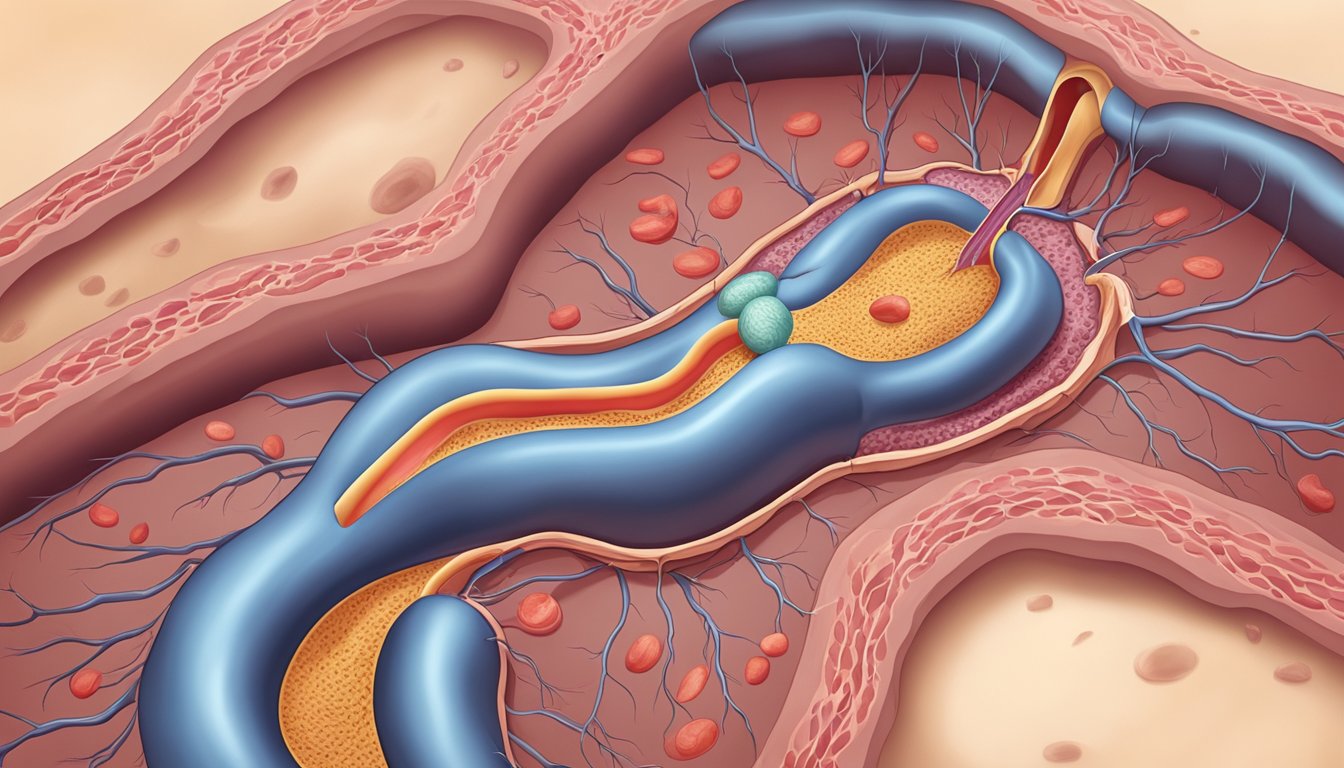
Atherosclerosis is a progressive disease that affects the arteries, causing them to narrow and harden. It is the leading cause of heart disease and stroke worldwide. The development of atherosclerosis is a complex process that involves multiple factors, including cholesterol, arterial damage, and inflammation.
Development of Plaque
The development of plaque is a crucial step in the pathophysiology of atherosclerosis. Plaque is a buildup of cholesterol, fats, and other substances in the walls of arteries. Plaque buildup can cause the arteries to narrow, reducing blood flow to vital organs such as the heart and brain.
Plaque formation begins with damage to the endothelium, the innermost layer of the artery wall. This damage can be caused by high blood pressure, smoking, or high levels of cholesterol in the blood. Once the endothelium is damaged, white blood cells and lipids, including LDL cholesterol, begin to accumulate in the arterial wall. Over time, these substances form a fatty streak, which can eventually develop into a plaque.
Role of Cholesterol
Cholesterol is a major contributor to the development of atherosclerosis. LDL cholesterol, also known as “bad” cholesterol, is a primary component of plaque. High levels of LDL cholesterol in the blood can cause the accumulation of this substance in the arterial wall, leading to the formation of plaque.
HDL cholesterol, or “good” cholesterol, plays a protective role in the development of atherosclerosis. HDL cholesterol helps to remove excess cholesterol from the blood, reducing the risk of plaque formation.
Arterial Damage and Inflammation
Arterial damage and inflammation are key factors in the pathophysiology of atherosclerosis. When the endothelium is damaged, it triggers an inflammatory response, causing white blood cells and other substances to accumulate in the arterial wall.
This inflammation can cause the arterial wall to thicken and harden, leading to the formation of plaque. Inflammation can also cause the plaque to become unstable, increasing the risk of rupture and blood clot formation.
In conclusion, atherosclerosis is a complex disease that involves multiple factors, including cholesterol, plaque buildup, and inflammation. Understanding the pathophysiology of atherosclerosis is essential for the prevention and treatment of this condition. It is important to maintain healthy cholesterol levels, avoid smoking, and manage other risk factors to reduce the risk of developing atherosclerosis.
Clinical Manifestations
Symptoms of Atherosclerotic Heart Disease
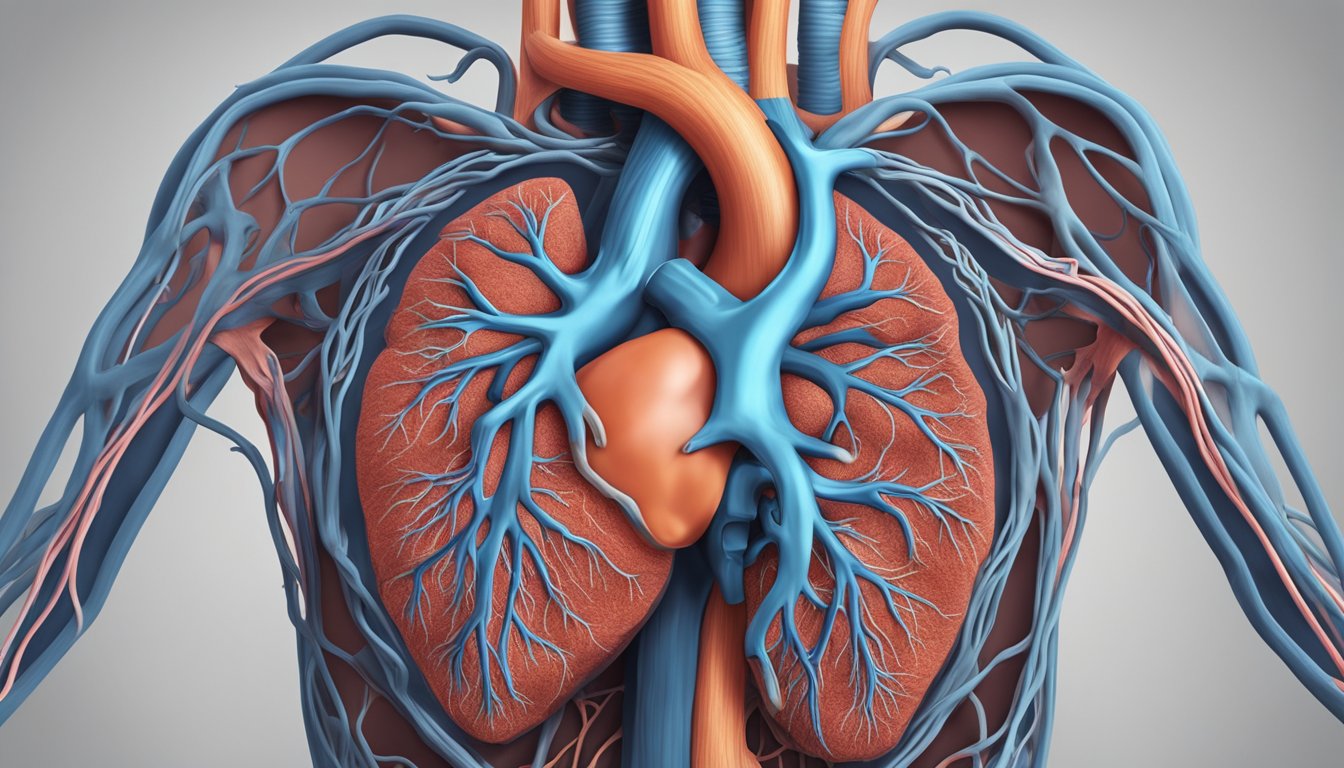
Atherosclerotic heart disease can manifest in various ways. The most common symptom of atherosclerotic heart disease is angina, which is characterized by chest pain or discomfort. This pain or discomfort can be felt as pressure, tightness, or squeezing in the chest. The pain may also radiate to the arms, back, neck, jaw, or stomach.
Shortness of breath is another common symptom of atherosclerotic heart disease. This symptom can occur during physical activity or even at rest. In some cases, it may be accompanied by wheezing or coughing.
Other symptoms of atherosclerotic heart disease may include palpitations, arrhythmia, or fatigue. Palpitations are characterized by a feeling of rapid or irregular heartbeats. Arrhythmia is a condition where the heart beats too fast, too slow, or irregularly. Fatigue is a feeling of tiredness or weakness that can occur even after resting.
Complications Related to Atherosclerosis
If left untreated, atherosclerotic heart disease can lead to serious complications. Coronary artery disease is one of the most common complications of atherosclerosis. This condition occurs when the arteries that supply blood to the heart become narrowed or blocked. This can lead to chest pain, heart attack, or heart failure.
Atherosclerosis can also lead to stroke or transient ischemic attack (TIA). A stroke occurs when the blood supply to the brain is disrupted, while a TIA is a temporary interruption of blood flow to the brain. Both conditions can cause weakness or numbness in the face, arms, or legs, as well as difficulty speaking or understanding speech.
In addition to these complications, atherosclerosis can also affect other parts of the body. Peripheral artery disease occurs when the arteries that supply blood to the arms and legs become narrowed or blocked. This can cause pain or cramping in the arms or legs during physical activity. Atherosclerosis can also affect the kidneys, leading to chronic kidney disease.
It is important to note that not all people with atherosclerotic heart disease experience symptoms. Some people may have no symptoms at all, while others may only experience mild symptoms. It is important to seek medical attention if you experience any symptoms of atherosclerotic heart disease or if you have risk factors for the condition.
Risk Factors and Prevention
Atherosclerotic heart disease is a condition that develops over time due to a combination of various factors. Some of these factors are modifiable, while others are not. Understanding the risk factors and taking steps to prevent the onset of atherosclerotic heart disease is essential for maintaining good heart health.
Lifestyle and Systemic Risk Factors
Several lifestyle and systemic factors can increase the risk of developing atherosclerotic heart disease. These risk factors include smoking, diabetes, high blood pressure, obesity, and a family history of heart disease.
Smoking is a significant risk factor for atherosclerotic heart disease. It damages the lining of the arteries, leading to the buildup of plaque. Diabetes and insulin resistance can also increase the risk of atherosclerosis. High blood pressure and obesity put extra strain on the heart, leading to the development of heart disease.
A healthy lifestyle can help reduce the risk of atherosclerotic heart disease. Regular exercise, a healthy diet, and quitting smoking are essential steps in preventing the onset of heart disease. Reducing stress levels and getting enough sleep can also help reduce the risk of heart disease.
Genetic and Age-Related Factors
Some factors that increase the risk of atherosclerotic heart disease are not modifiable. These factors include age, genetics, and family history. As individuals age, their risk of developing atherosclerosis increases. Family history plays a significant role in the development of heart disease.
High cholesterol and triglyceride levels can also increase the risk of atherosclerotic heart disease. C-reactive protein, a marker of inflammation, can also be a risk factor for heart disease.
Preventing the onset of atherosclerotic heart disease involves understanding the risk factors and taking steps to reduce them. Making lifestyle changes, such as quitting smoking, eating a healthy diet, and exercising regularly, can help reduce the risk of heart disease. Regular check-ups with a healthcare professional can help identify and manage risk factors such as high blood pressure and high cholesterol levels.
It is important to remember that while some risk factors cannot be changed, taking steps to reduce modifiable risk factors can help prevent the onset of atherosclerotic heart disease.
Diagnosis and Treatment
Diagnostic Procedures
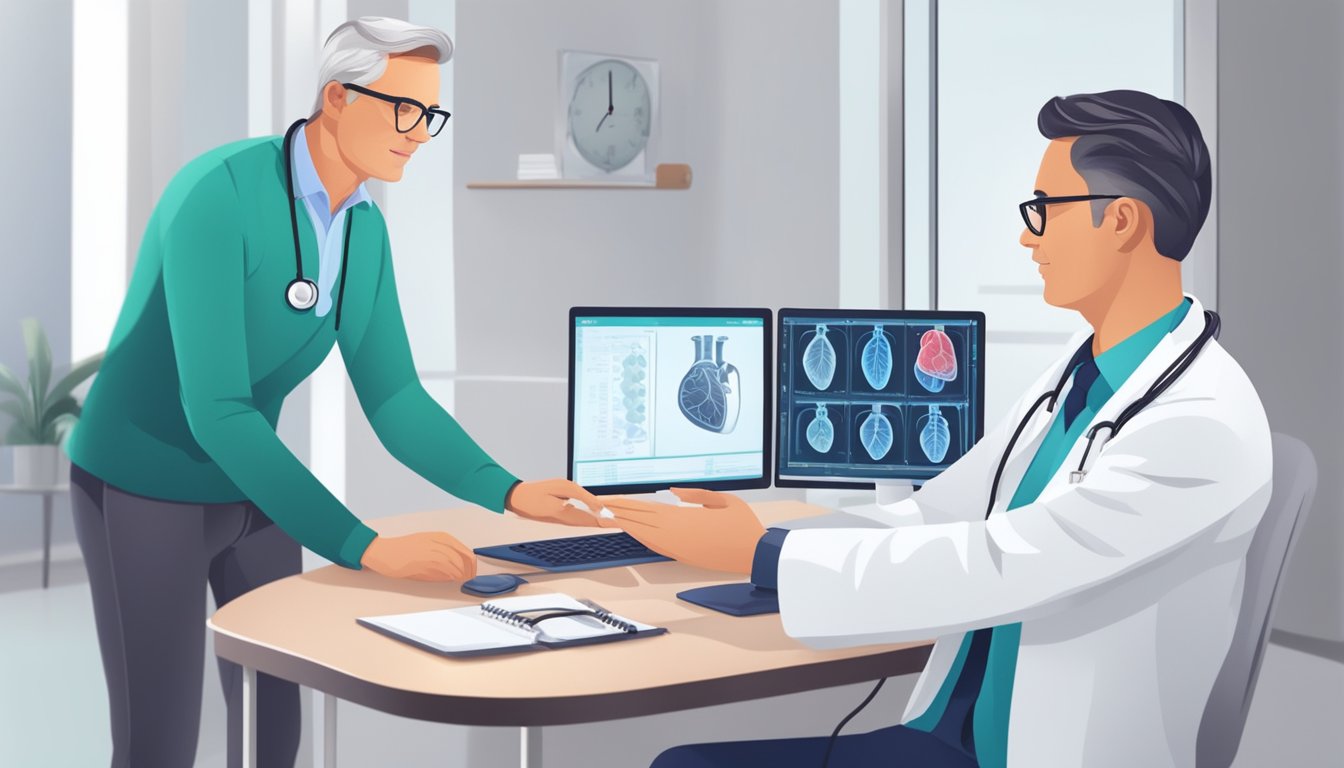
Atherosclerotic heart disease is usually diagnosed through a combination of physical examination, medical history, and tests. A doctor may listen to the heart for abnormal sounds or check for weak or absent pulses in the legs. They may also order tests to measure cholesterol levels, such as a lipid profile or a blood test to measure C-reactive protein.
Another common diagnostic procedure is angiography, which involves injecting a dye into the arteries and taking X-rays to see if there are any blockages. In some cases, a stress test may be performed to assess the heart’s ability to function under stress.
Therapeutic Interventions and Surgery
The goal of treatment for atherosclerotic heart disease is to reduce the risk of complications, such as heart attacks and strokes. Treatment may include lifestyle changes such as a healthy diet, regular exercise, and quitting smoking. Medications such as aspirin, beta-blockers, and cholesterol-lowering drugs may also be prescribed.
In some cases, surgery may be necessary. Angioplasty is a minimally invasive procedure that involves inserting a balloon into the blocked artery and inflating it to open up the vessel. A stent may also be placed to keep the artery open.
If the blockage is severe, bypass surgery may be necessary. This involves taking a healthy blood vessel from another part of the body and using it to bypass the blocked artery.
It is important to note that while these interventions can be effective, they may not be suitable for everyone. Atherosclerotic heart disease is a complex condition that requires individualised treatment plans. It is important to consult with a qualified healthcare professional to determine the best course of action.
Getting assessed in Singapore
In Singapore, ongoing cardiovascular management is shared between primary care and cardiology. Many people have blood pressure, cholesterol and diabetes reviewed by a GP or polyclinic, with specialist input where a cardiac problem is suspected or already diagnosed. Referral can be arranged through primary care, or a private clinic can be contacted directly.
Related pages on this site explain cholesterol and blood pressure management and CT calcium score and CT coronary angiography. You can also see all cardiac services.
Frequently Asked Questions
What are the primary causes of atherosclerosis?
Atherosclerosis is a disease in which plaque builds up inside arteries, leading to their narrowing and hardening. The primary cause of atherosclerosis is the accumulation of cholesterol, fats, and other substances in the artery walls. This buildup can be caused by a variety of factors, including high blood pressure, smoking, obesity, diabetes, and high levels of LDL cholesterol.
How does atherosclerosis treatment typically proceed?
Atherosclerosis treatment typically involves lifestyle changes, such as a healthy diet, regular exercise, and quitting smoking. In addition to lifestyle changes, medications such as statins, blood pressure-lowering drugs, and antiplatelet agents may be prescribed to manage the disease. In some cases, surgical procedures such as angioplasty or bypass surgery may be necessary.
What are the distinguishing characteristics between atherosclerosis and arteriosclerosis?
Atherosclerosis and arteriosclerosis are both diseases that involve the hardening and narrowing of arteries, but they have different underlying causes. Atherosclerosis is caused by the buildup of plaque in the artery walls, while arteriosclerosis is caused by the thickening and stiffening of the artery walls themselves. Atherosclerosis is a type of arteriosclerosis.
What are the common symptoms indicative of atherosclerosis?
In its early stages, atherosclerosis may not cause any symptoms. As the disease progresses, however, symptoms may include chest pain, shortness of breath, fatigue, weakness, and numbness or coldness in the legs or arms. In some cases, atherosclerosis can lead to serious cardiovascular diseases such as heart attack or stroke.
Can atherosclerosis lead to serious cardiovascular diseases?
Yes, atherosclerosis can lead to serious cardiovascular diseases such as heart attack or stroke. When plaque builds up in the arteries, it can cause them to narrow and harden, reducing blood flow to vital organs such as the heart and brain. This can lead to heart attack or stroke, both of which can be life-threatening.
Is there a known cure for arteriosclerosis?
There is no known cure for arteriosclerosis, but the disease can be managed with lifestyle changes and medications. In some cases, surgical procedures may be necessary to manage the disease. It is important for individuals with arteriosclerosis to work closely with their healthcare providers to develop a treatment plan that is right for them.
Further reading
- HealthHub — Cholesterol and Heart Disease
- HealthHub — Hyperlipidemia
- HealthHub — Cardiovascular Disease
Disclaimer: This article is general information about cardiovascular health. It is not medical advice, diagnosis or treatment, and reading it does not create a doctor–patient relationship. Always seek the advice of your doctor or another qualified health professional with any questions you have about a medical condition, and never disregard or delay seeking medical advice because of something you have read here. If you think you may be having a medical emergency, call 995 or go to the nearest emergency department.