

Heart disease is a term used to describe a range of conditions that affect the heart, including coronary artery disease, heart muscle disease, valve disease, arrhythmias, and congenital heart defects. These conditions can lead to a variety of symptoms, from chest pain and shortness of breath to fatigue and dizziness. Heart disease is a serious condition that affects millions of people around the world, and it is one of the leading causes of death in many countries.
Understanding heart disease is essential for anyone who wants to take steps to prevent or manage the condition. Risk factors for heart disease include high blood pressure, high cholesterol, smoking, diabetes, obesity, and a family history of heart disease. While some risk factors, such as age and family history, cannot be changed, others can be managed through lifestyle changes and medical treatment.
Preventing heart disease is the best way to reduce the risk of complications and improve long-term outcomes. This can involve making changes to diet and exercise habits, quitting smoking, and taking medications as prescribed by a doctor. For people who have already been diagnosed with heart disease, treatment may involve medications, surgery, or other interventions to manage symptoms and prevent further damage to the heart.
Key Takeaways
- Heart disease is a term used to describe a range of conditions that affect the heart, including coronary artery disease, heart muscle disease, valve disease, arrhythmias, and congenital heart defects.
- Risk factors for heart disease include high blood pressure, high cholesterol, smoking, diabetes, obesity, and a family history of heart disease.
- Preventing heart disease is the best way to reduce the risk of complications and improve long-term outcomes.
Understanding Heart Disease
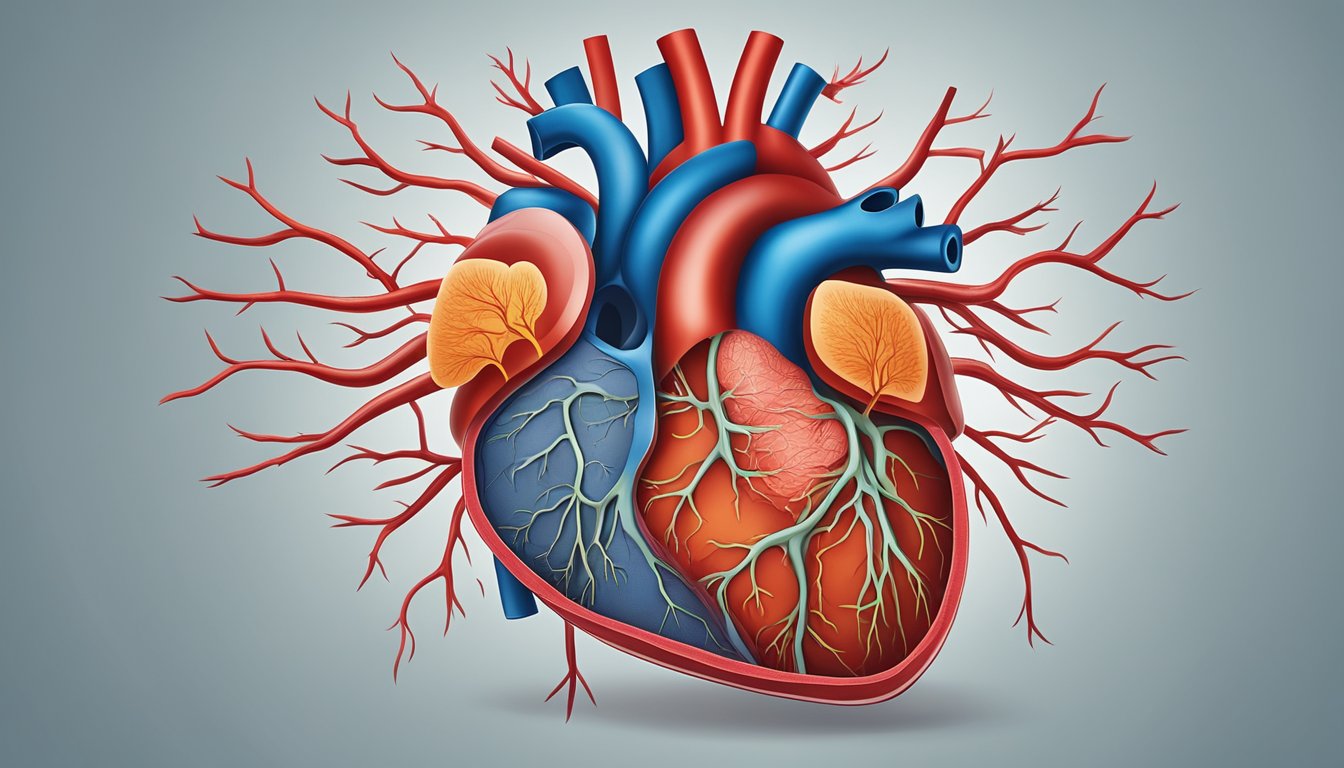
Heart disease, also known as cardiovascular disease, is a term used to describe a range of conditions that affect the heart and blood vessels. It is a serious condition that affects millions of people worldwide and can lead to severe health complications if left untreated. In this section, we will discuss the different types of heart disease, common symptoms, and diagnostic procedures.
Types of Heart Disease
There are several types of heart disease, each with its own set of causes and symptoms. These include:
- Coronary heart disease: This is the most common type of heart disease and is caused by a build-up of plaque in the arteries that supply the heart with blood. This can lead to angina, heart attacks, and heart failure.
- Arrhythmia: This is a condition where the heart beats irregularly, either too fast or too slow. It can be caused by a variety of factors, including heart disease, high blood pressure, and thyroid problems.
- Heart failure: This is a condition where the heart is unable to pump enough blood around the body. It can be caused by a range of factors, including heart disease, high blood pressure, and diabetes.
- Heart valve disease: This is a condition where the valves in the heart do not work properly, leading to a range of symptoms, including shortness of breath, fatigue, and chest pain.
- Atherosclerosis: This is a condition where the arteries become narrow and hardened due to a build-up of plaque. It can lead to a range of complications, including heart attacks and strokes.
Common Symptoms
The symptoms of heart disease can vary depending on the type of condition and the severity of the disease. Common symptoms include:
- Chest pain or discomfort
- Shortness of breath
- Fatigue
- Swelling in the legs, ankles, or feet
- Irregular heartbeat
- Dizziness or lightheadedness
- Nausea or vomiting
It is important to note that not everyone with heart disease will experience symptoms, and some people may only experience mild symptoms.
Diagnostic Procedures
If a doctor suspects that a patient has heart disease, they may recommend a range of diagnostic procedures to confirm the diagnosis. These may include:
- Electrocardiogram (ECG): This is a test that measures the electrical activity of the heart and can help diagnose arrhythmias and other heart problems.
- Echocardiogram: This is a test that uses sound waves to create images of the heart and can help diagnose heart valve disease and other heart problems.
- Angiogram: This is a test that uses X-rays and a special dye to create images of the arteries and can help diagnose coronary heart disease and other blood vessel diseases.
It is important to seek medical attention if you experience any symptoms of heart disease, as early diagnosis and treatment can help prevent serious complications.
Risk Factors and Prevention

Heart disease is a serious condition that can lead to severe health problems and even death. However, there are several ways to prevent heart disease or reduce the risk of developing it. Understanding the risk factors for heart disease can help individuals take the necessary steps to protect their heart health.
Lifestyle and Heart Disease
Lifestyle choices play a significant role in the development of heart disease. Smoking, physical inactivity, an unhealthy diet, and high cholesterol levels are all risk factors that can increase the likelihood of developing heart disease. Obesity and stress are also factors that can contribute to the development of heart disease.
Individuals can reduce their risk of developing heart disease by making lifestyle changes. Quitting smoking, engaging in regular physical activity, maintaining a healthy weight, and following a heart-healthy diet are all effective ways to reduce the risk of heart disease.
Genetic and Age-Related Factors
In addition to lifestyle choices, there are also genetic and age-related factors that can contribute to the development of heart disease. Family history of heart disease, age, high blood pressure, and diabetes are all factors that can increase the risk of developing heart disease.
While genetic and age-related factors cannot be changed, individuals can still take steps to reduce their risk of heart disease. Regular check-ups with a healthcare professional can help individuals monitor their blood pressure and cholesterol levels. Maintaining a healthy weight, following a heart-healthy diet, and engaging in regular physical activity can also help reduce the risk of heart disease.
It is important to note that while these lifestyle changes and risk reduction strategies can be effective, they may not completely eliminate the risk of developing heart disease. Individuals with a family history of heart disease or other risk factors should consult with a healthcare professional to determine the best course of action for maintaining their heart health.
Treatment and Management

When it comes to heart disease, treatment and management are crucial to ensure a healthy and long life. There are a variety of medical treatments, surgical procedures, and lifestyle modifications that can help manage heart disease.
Medical Treatments
Medical treatments for heart disease can range from medications to procedures. Beta-blockers are commonly prescribed to help manage high blood pressure and reduce the workload on the heart. Aspirin is often recommended to help prevent blood clots from forming. Cholesterol-modifying medications can also be prescribed to help lower cholesterol levels in the blood.
In some cases, procedures such as angioplasty or coronary artery bypass surgery may be necessary to restore blood flow to the heart. A pacemaker may also be implanted to help regulate the heart’s rhythm.
Surgical Procedures
Surgical procedures such as angioplasty and coronary artery bypass surgery can be effective in treating heart disease. Angioplasty involves inserting a small balloon into the blocked artery and inflating it to widen the artery and improve blood flow. Coronary artery bypass surgery involves creating a new pathway for blood to flow around the blocked artery.
Lifestyle Modifications
Lifestyle modifications can also play a significant role in managing heart disease. Exercise can help improve heart health and reduce the risk of heart disease. Managing stress through techniques such as meditation or yoga can also be beneficial. Quitting smoking and maintaining a healthy diet are also important lifestyle changes that can help manage heart disease.
It is important to note that treatment and management of heart disease should always be done under the guidance of a medical professional. It is also important to follow any prescribed medications and lifestyle changes to ensure the best possible outcome.
Living with Heart Disease
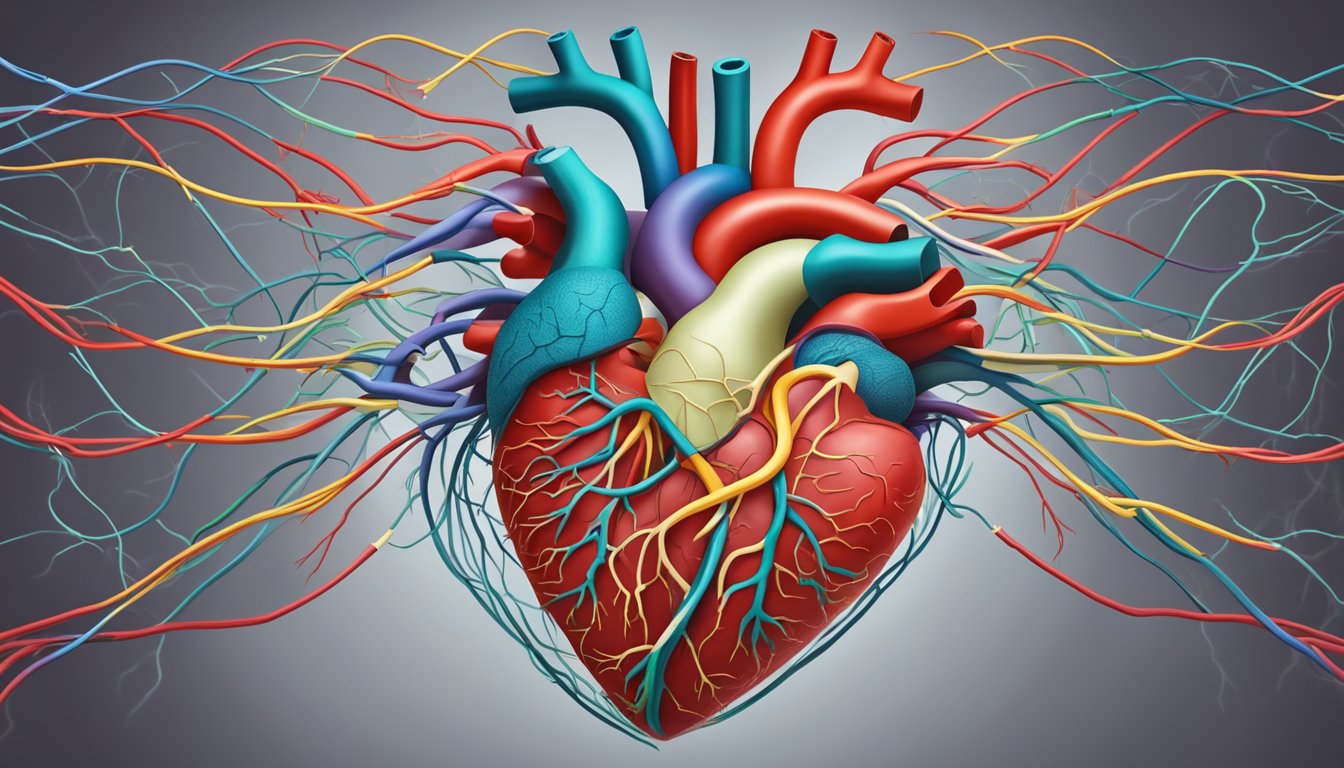
Heart disease is a chronic condition that requires long-term management. It can be difficult to come to terms with a heart disease diagnosis, but with the right support and care, it is possible to live a full and active life.
One of the most important things for people living with heart disease is to maintain a heart-healthy lifestyle. This includes eating a nutritious diet, getting regular physical activity, and managing stress. The American Heart Association recommends at least 150 minutes of moderate-intensity aerobic exercise per week for adults, as well as muscle-strengthening activities at least two days per week.
It is also important for people with heart disease to work closely with their healthcare provider, including a cardiologist if necessary. Regular check-ups and monitoring can help detect any changes in heart function and adjust treatment plans as needed.
In addition to medical care, support from family, friends, and support groups can also be beneficial for people with heart disease. This can help improve quality of life and provide emotional support during difficult times.
It is important to note that each person’s experience with heart disease is unique, and there is no one-size-fits-all approach to managing the condition. It is important for individuals to work with their healthcare provider to develop a personalized treatment plan that meets their specific needs and goals.
Getting assessed in Singapore
In Singapore, cardiology is provided in both the public and private sectors. Public heart services are concentrated at the National Heart Centre Singapore and the cardiology departments of the restructured hospitals, while private cardiologists practise from medical centres attached to private hospitals. A GP or polyclinic can arrange a referral, or a private clinic can be contacted directly.
For the practical side of this, a consultation for suspected heart conditions and screening for heart disease are described in detail, alongside the full range of cardiac services.
Frequently Asked Questions
What are the different forms of heart disease prevalent today?
Heart disease can take many forms, including coronary artery disease, arrhythmia, heart valve disease, and heart failure. Coronary artery disease is the most common form of heart disease and occurs when plaque builds up in the arteries that supply blood to the heart. Arrhythmia is an irregular heartbeat, while heart valve disease occurs when one or more of the valves in the heart does not function properly. Heart failure is a condition in which the heart is unable to pump enough blood to meet the body’s needs.
What are the primary causes leading to heart disease?
There are several factors that can contribute to the development of heart disease, including high blood pressure, high cholesterol, smoking, obesity, diabetes, family history, and a sedentary lifestyle. These factors can damage the blood vessels and heart muscle, leading to the development of heart disease.
What symptoms indicate the presence of heart disease?
The symptoms of heart disease can vary depending on the type and severity of the condition. Some common symptoms include chest pain or discomfort, shortness of breath, fatigue, dizziness, and heart palpitations. However, not everyone with heart disease experiences symptoms, which is why regular check-ups with a healthcare professional are important.
How is heart disease conventionally treated?
Treatment for heart disease depends on the type and severity of the condition. Some common treatments include medications to control blood pressure, cholesterol, and heart rate, as well as lifestyle changes such as a heart-healthy diet, regular exercise, and quitting smoking. In some cases, surgery or other procedures may be necessary to treat heart disease.
What are the early indicators of potential heart disease?
Early indicators of potential heart disease can include high blood pressure, high cholesterol, and diabetes. It is important to have regular check-ups with a healthcare professional to monitor these conditions and catch any potential problems early.
In what ways can one effectively prevent the onset of heart disease?
There are several steps that individuals can take to prevent the onset of heart disease, including maintaining a healthy weight, eating a heart-healthy diet, getting regular exercise, not smoking, and managing stress. Regular check-ups with a healthcare professional can also help identify and manage any potential risk factors for heart disease.
Further reading
- HealthHub — Cardiovascular Disease
- National Heart Centre Singapore — Conditions & Treatments
- Health Promotion Board — Healthy Living
Disclaimer: This article is general information about cardiovascular health. It is not medical advice, diagnosis or treatment, and reading it does not create a doctor–patient relationship. Always seek the advice of your doctor or another qualified health professional with any questions you have about a medical condition, and never disregard or delay seeking medical advice because of something you have read here. If you think you may be having a medical emergency, call 995 or go to the nearest emergency department.