

Heart rate monitors have become increasingly popular over the years, with manufacturers producing a wide range of products to meet the needs of different consumers. These devices are designed to measure the heart rate and provide real-time feedback on the user’s physical activity level. Heart rate monitors can be used for various purposes, such as tracking fitness progress, monitoring health conditions, and improving athletic performance.

There are several types of heart rate monitors available on the market, including chest strap monitors, wrist-based monitors, and earlobe monitors. Chest strap monitors are the most accurate and reliable, as they use wireless electrode sensors that are tightly pressed against the body to detect the heart rate. Wrist-based monitors, on the other hand, use optical sensors that detect blood flow through the skin, while earlobe monitors measure the heart rate by detecting changes in blood volume in the earlobe.
Key Takeaways:
- Heart rate monitors are devices designed to measure the heart rate and provide real-time feedback on the user’s physical activity level.
- There are several types of heart rate monitors available on the market, including chest strap monitors, wrist-based monitors, and earlobe monitors.
- Chest strap monitors are the most accurate and reliable, while wrist-based monitors and earlobe monitors are less accurate but more convenient to use.
Types of Heart Rate Monitors
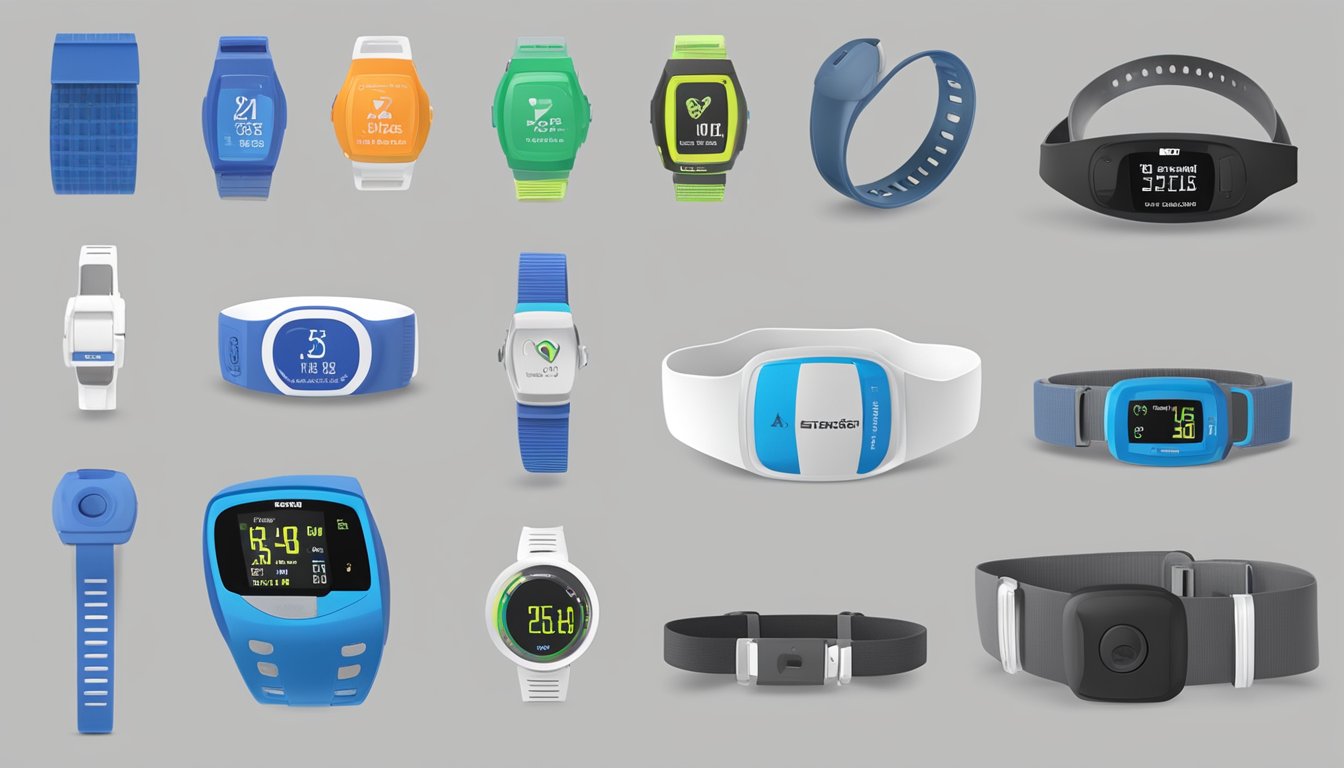
Heart rate monitors come in various forms, each with its own advantages and disadvantages. Here are the three most common types of heart rate monitors:
Chest Strap Monitors
Chest strap monitors are worn around the chest, and they detect the heart rate using wireless electrode sensors that are tightly pressed against the skin. They are considered to be the most accurate type of heart rate monitor, but some users may find the band constricting and irritating across their chest. Chest strap monitors are often used by athletes and fitness enthusiasts who require accurate and reliable heart rate data.
Polar H10 and Polar H9 are examples of chest strap monitors that are popular among athletes and fitness enthusiasts. They are compatible with a wide range of fitness apps and devices, making them a versatile choice for anyone who wants to track their heart rate during exercise.
Optical Wrist Monitors
Optical wrist monitors use an optical sensor to detect the heart rate from the wrist. They are less accurate than chest strap monitors, but they are more comfortable to wear and easier to use. Optical wrist monitors are often found in watches and smartwatches, making them a popular choice for people who want to track their heart rate throughout the day.
Fitbit Charge 6 and Apple Watch are examples of smartwatches that come with optical wrist monitors. They are designed to track various health metrics, including heart rate, and they can be synced with a wide range of fitness apps.
Armbands
Armbands are similar to chest strap monitors, but they are worn around the upper arm instead of the chest. They are less accurate than chest strap monitors, but they are more comfortable to wear than chest straps. Armbands are often used by people who want to track their heart rate during exercise, but who find chest straps too uncomfortable.
COOSPO Rechargeable Chest Heart Rate Monitor is an example of an armband heart rate monitor that is popular among fitness enthusiasts. It is designed to be comfortable to wear during exercise, and it can be synced with a wide range of fitness apps.
It is important to note that heart rate monitors are not medical devices, and they should not be used as a substitute for medical advice. If you have any concerns about your heart health, you should consult a healthcare professional.
Key Features and Technologies
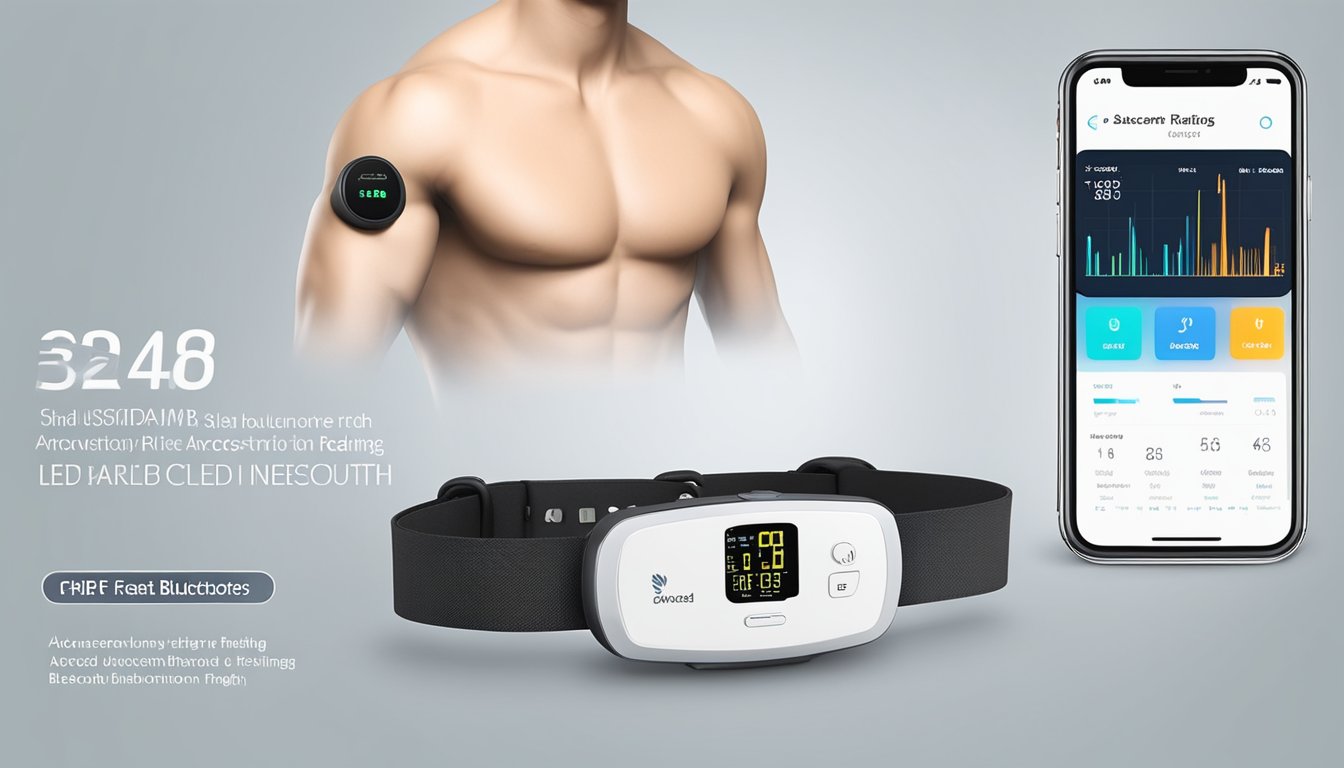
Heart rate monitors have become an essential tool for fitness enthusiasts and athletes. They provide accurate and real-time information about heart rate, which is a crucial indicator of overall health and fitness. In this section, we will discuss the key features and technologies that make a heart rate monitor reliable and efficient.
Accuracy and Sensor Technology
The accuracy of a heart rate monitor is critical as it determines the reliability of the data it provides. Most modern heart rate monitors use optical sensors that measure blood flow through the skin. These sensors use light to detect changes in blood volume, which is then translated into heart rate readings.
Some heart rate monitors use chest straps that measure the electrical signals produced by the heart. These sensors are more accurate than optical sensors but may be less comfortable to wear.
Connectivity Options
Bluetooth and ANT+ technology are the two most common connectivity options available in heart rate monitors. Bluetooth connectivity allows the heart rate monitor to connect to a smartphone, tablet, or computer wirelessly. This feature enables users to track their heart rate data and monitor their progress over time.
ANT+ technology is a wireless communication protocol that allows heart rate monitors to connect to other ANT+ enabled devices such as fitness equipment. This feature allows users to track their heart rate data while working out on different machines.
Battery Life and Water Resistance
Battery life and water resistance are two essential features to consider when choosing a heart rate monitor. A long battery life ensures that the device can last for an extended period without requiring frequent charging. Water resistance is essential for swimmers and other water sports enthusiasts who want to track their heart rate while in the water.
It is crucial to note that not all heart rate monitors are created equal. Some may be more accurate than others, while some may have better connectivity options or longer battery life. Therefore, it is essential to research and compare different heart rate monitors before making a purchase.
Health and Fitness Applications

Heart rate monitors are a valuable tool for individuals seeking to monitor and improve their health and fitness. The following subsections will discuss how heart rate monitors can be used for exercise and training, as well as health monitoring and wellness.
Exercise and Training
Heart rate monitors are a popular tool for athletes and fitness enthusiasts to track their performance during exercise. By monitoring their heart rate, individuals can ensure that they are training in the correct heart rate zone for their fitness goals. This can help to improve endurance, increase speed, and build strength.
Heart rate monitors can be particularly useful for runners, swimmers, and other endurance athletes. By monitoring their heart rate during exercise, athletes can ensure that they are training at the appropriate intensity to improve their cardiovascular fitness.
Health Monitoring and Wellness
In addition to exercise and training, heart rate monitors can also be used for health monitoring and wellness. By tracking their resting heart rate and heart rate variability, individuals can gain insights into their overall health and wellbeing.
Heart rate monitors can also be used to monitor stress levels and sleep quality. By tracking their heart rate throughout the day, individuals can identify periods of high stress and take steps to manage it. Additionally, many heart rate monitors now include sleep tracking features, which can provide valuable insights into sleep quality and help individuals to identify areas for improvement.
It is important to note that while heart rate monitors can provide valuable insights into health and fitness, they should not be used as a substitute for medical advice. Individuals with heart conditions or other medical concerns should consult with a healthcare professional before using a heart rate monitor.
Overall, heart rate monitors are a useful tool for individuals seeking to improve their health and fitness. By monitoring their heart rate during exercise and throughout the day, individuals can gain valuable insights into their overall health and wellbeing.
Top Manufacturers and Products
Industry Leaders
Heart rate monitor manufacturers have been producing innovative products that have made it easier for people to track their heart rates. Some of the industry leaders include Polar, Garmin, and Fitbit.
Polar is a well-known brand that produces high-quality heart rate monitors. They have a wide range of products, including the Polar H10 Heart Rate Sensor, Polar H9 Heart Rate Sensor, and Polar H10 Chest Strap. These products are known for their accuracy and reliability.
Garmin is another industry leader that produces some of the best heart rate monitors. Their products include the Garmin HRM-Pro Plus, which is known for its advanced features such as GPS tracking and VO2 max estimation. Garmin watches are also popular among fitness enthusiasts due to their accuracy and durability.
Fitbit is a popular brand that produces fitness trackers and heart rate monitors. Their products include the Myzone MZ-Switch, which is a versatile heart rate monitor that can be worn on the wrist or chest. The Fitbit Charge 5 is also a popular choice among fitness enthusiasts due to its advanced features such as GPS tracking and sleep tracking.
Innovative Models and Features
In addition to the industry leaders, there are also some new and innovative heart rate monitors that are worth considering. The Apple Watch Series 9 is a popular choice among fitness enthusiasts due to its advanced features such as ECG monitoring and fall detection. The watch also has a heart rate monitor that can track your heart rate throughout the day.
Another innovative heart rate monitor is the Garmin HRM-Pro. This heart rate monitor is known for its advanced features such as GPS tracking and VO2 max estimation. The HRM-Pro is also water-resistant up to 50 meters, making it a great choice for swimmers.
Overall, there are many great heart rate monitors on the market, and choosing the right one depends on your specific needs and preferences. It is important to do your research and choose a heart rate monitor that is accurate, reliable, and suits your lifestyle.
Getting assessed in Singapore
In Singapore, cardiovascular assessment is available through both the public and private sectors. Which tests are appropriate depends on your symptoms, risk factors and history rather than on choosing the most extensive option available. A GP or polyclinic can arrange a referral to a cardiologist, or a private clinic can be approached directly.
To understand what an assessment would actually involve, see a cardiac screening assessment and general health screening, or look through the screening packages available.
Frequently Asked Questions

Which companies are leading in the production of heart rate monitors?
Several companies are leading in the production of heart rate monitors, including Garmin, Polar, Fitbit, and Apple. These companies have been in the market for a long time and have established themselves as reliable manufacturers of heart rate monitors.
What are the primary categories of heart rate monitoring devices?
The primary categories of heart rate monitoring devices are chest strap monitors, armband monitors, and watch-style monitors. Chest strap monitors use electrocardiography to measure the heart’s electrical activity, while armband and watch-style monitors use photoplethysmography, a process in which small LED lights measure blood flow through the skin.
Which brand is considered the most reliable for heart rate monitoring equipment?
There is no single brand that is considered the most reliable for heart rate monitoring equipment. However, Garmin, Polar, and Fitbit are popular brands that have consistently produced high-quality heart rate monitors.
How do manufacturers ensure the accuracy of their heart rate monitors?
Manufacturers ensure the accuracy of their heart rate monitors by using advanced technology and rigorous testing processes. They also calibrate their devices to measure heart rate accurately and provide regular software updates to enhance the accuracy of their devices.
What innovations are heart rate monitor manufacturers currently pursuing?
Heart rate monitor manufacturers are currently pursuing innovations such as the integration of heart rate monitors into clothing, the development of more accurate sensors, and the incorporation of artificial intelligence to provide more personalized insights.
Could you list the criteria for selecting a quality heart rate monitor?
The criteria for selecting a quality heart rate monitor include accuracy, ease of use, battery life, durability, and compatibility with other devices. It is also important to consider the features offered by the heart rate monitor, such as GPS tracking, sleep monitoring, and smartphone notifications. It is recommended to read reviews and consult with a healthcare professional before purchasing a heart rate monitor.
Please note that the information provided is for educational purposes only and should not be used as a substitute for medical advice. It is essential to consult with a healthcare professional before starting any new exercise program or using a heart rate monitor.
Further reading
- National Heart Centre Singapore — Conditions & Treatments
- HealthHub — Cardiovascular Disease
- SingHealth — Conditions & Treatments
Disclaimer: This article is general information about cardiovascular health. It is not medical advice, diagnosis or treatment, and reading it does not create a doctor–patient relationship. Always seek the advice of your doctor or another qualified health professional with any questions you have about a medical condition, and never disregard or delay seeking medical advice because of something you have read here. If you think you may be having a medical emergency, call 995 or go to the nearest emergency department.