

Sharp Pain in Chest Where Heart Is: Causes and Treatment Options
Chest pain can be a cause for concern, especially when it is sharp and located where the heart is. While chest pain is a common symptom of a heart attack, it can also be caused by a range of other conditions that are less serious. Understanding the causes of chest pain and the associated symptoms is crucial in determining when to seek emergency medical attention.
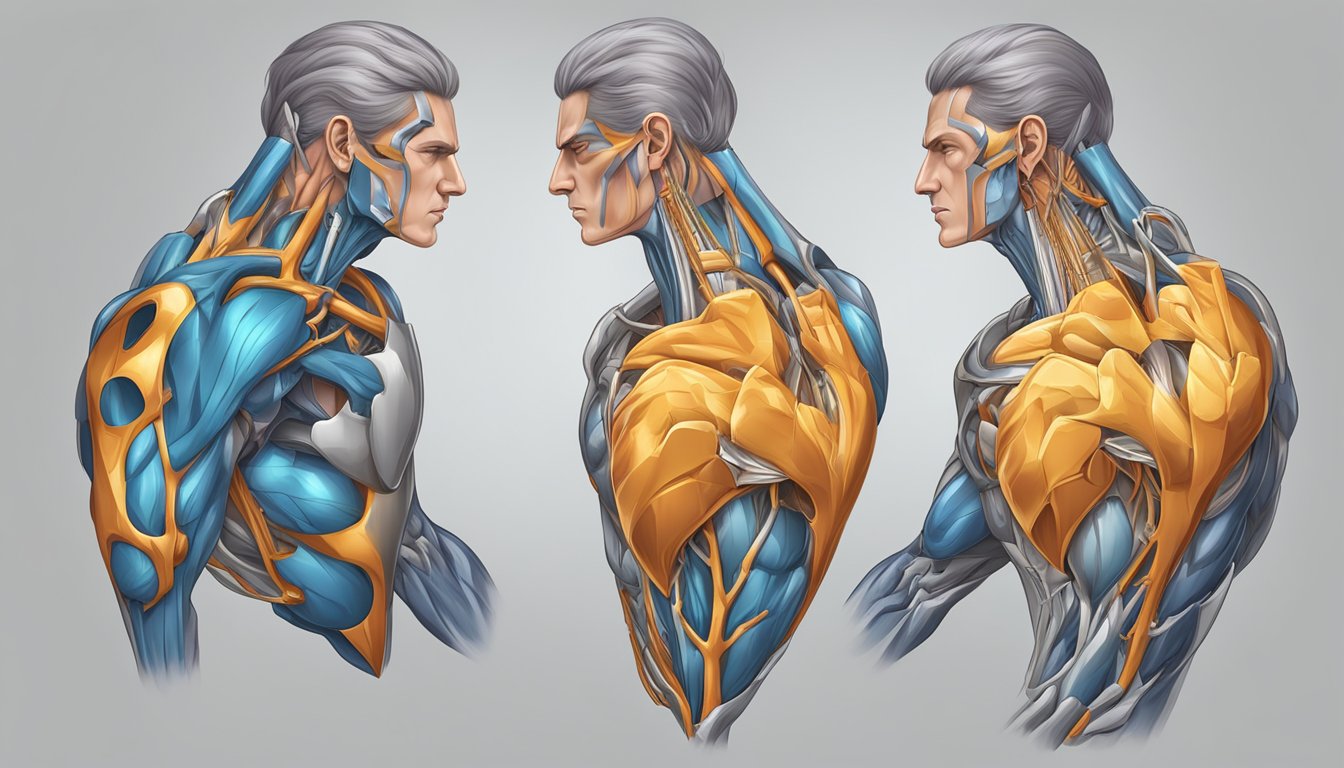
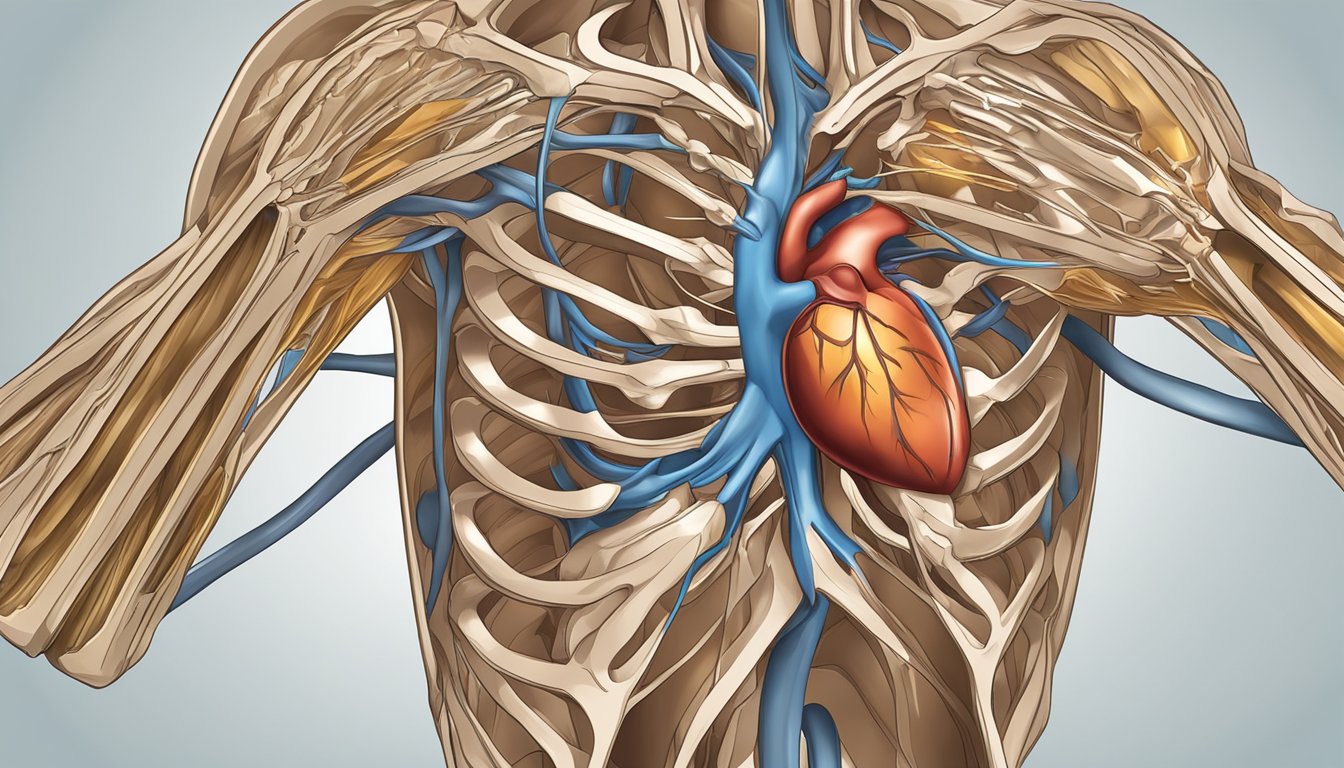
Sharp pain in the chest where the heart is can be a symptom of several conditions, including pericarditis, angina, or a heart attack. Pericarditis is an inflammation of the sac that surrounds the heart and can cause sharp chest pain. Angina is chest pain that occurs when the heart is not getting enough blood, and a heart attack is a medical emergency that occurs when the blood flow to the heart is blocked. Other causes of sharp chest pain include muscle strains, acid reflux, and pneumonia.
If you experience sharp chest pain, it is important to seek medical attention immediately, as it could be a sign of a serious condition. A healthcare professional can determine the underlying cause of the chest pain and provide appropriate treatment. In cases of a heart attack, prompt treatment can save lives. Understanding the symptoms and causes of chest pain can help individuals take steps to prevent it from occurring and seek appropriate medical attention when necessary.
Key Takeaways
- Sharp pain in the chest where the heart is can be a symptom of several conditions, including pericarditis, angina, or a heart attack.
- It is important to seek medical attention immediately if you experience sharp chest pain, as it could be a sign of a serious condition.
- Understanding the symptoms and causes of chest pain can help individuals take steps to prevent it from occurring and seek appropriate medical attention when necessary.
Understanding Chest Pain
Chest pain is a common symptom that can be caused by a wide range of conditions. It is important to understand the causes of chest pain in order to determine the appropriate treatment. In this section, we will discuss the common causes of chest pain and the different types of chest pain.
Common Causes of Chest Pain
There are many possible causes of chest pain, some of which are serious and require immediate medical attention. Common causes of chest pain include:
- Heart-related chest pain
- Non-heart-related chest pain
Heart-related chest pain is often caused by a heart attack or angina, which is a type of chest pain that occurs when the heart muscle does not receive enough oxygen-rich blood. Non-heart-related chest pain can be caused by a variety of conditions, including pericarditis, pulmonary embolism, gastroesophageal reflux disease (GERD), costochondritis, and muscle strain.
Heart-Related Chest Pain
Heart-related chest pain is often described as a feeling of pressure, fullness, burning, or tightness in the chest. It can also be accompanied by other symptoms, such as shortness of breath, nausea, sweating, or lightheadedness. Heart-related chest pain can be caused by a heart attack, which occurs when blood flow to the heart is blocked, or angina, which is a type of chest pain that occurs when the heart muscle does not receive enough oxygen-rich blood.
Non-Heart-Related Chest Pain
Non-heart-related chest pain can be caused by a variety of conditions, including pericarditis, which is inflammation of the lining of the heart, pulmonary embolism, which is a blood clot in the lungs, gastroesophageal reflux disease (GERD), which is a digestive disorder that causes acid reflux, costochondritis, which is inflammation of the cartilage that connects the ribs to the breastbone, and muscle strain, which is a common cause of chest pain.
It is important to seek medical attention if you experience chest pain, as it can be a sign of a serious condition. If you are experiencing chest pain, call your doctor or emergency services immediately.
Symptoms and Diagnosis
Recognising Heart Attack Symptoms
Sharp pain in the chest can be a symptom of a heart attack. Other symptoms may include pressure, discomfort, shortness of breath, cough, dizziness, nausea, sweating, and fatigue. It is important to recognise these symptoms and seek immediate medical attention if they occur.
Diagnostic Tests
To diagnose a heart attack, a doctor may perform a physical exam and order tests such as a blood test, electrocardiogram (EKG), and chest X-ray. An EKG measures the electrical activity of the heart and can detect abnormalities. A blood test can detect enzymes released by the heart during a heart attack. A chest X-ray can show the size and shape of the heart and detect any fluid buildup.
It is important to note that not all cases of chest pain indicate a heart attack. Other conditions such as pericarditis or muscle strain can also cause chest pain. A doctor will perform a thorough evaluation to determine the cause of the chest pain.
It is recommended that individuals seek medical attention if they experience any chest pain or discomfort, especially if it is accompanied by other symptoms such as shortness of breath or dizziness.
Emergency Response and Treatment
When to Seek Emergency Care
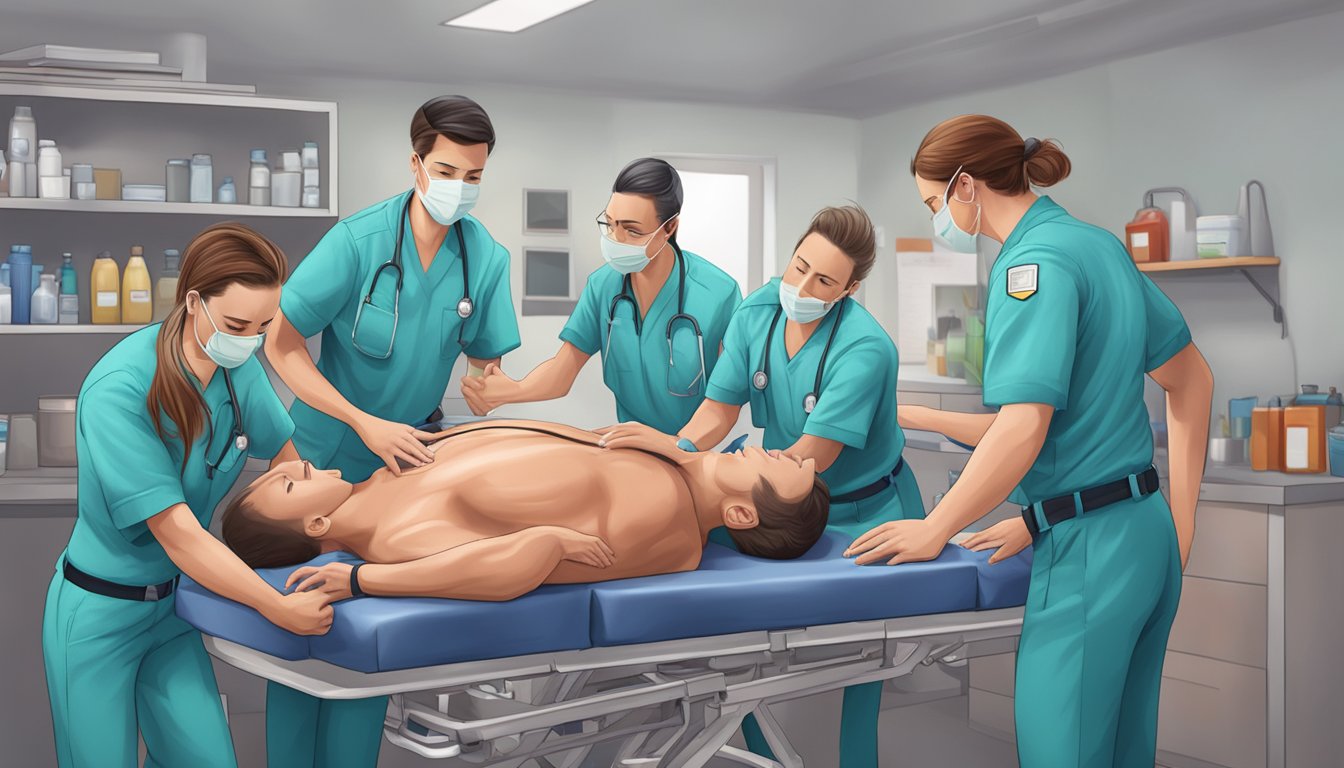
Sharp pain in the chest can be a sign of a medical emergency. If an individual experiences sudden, intense chest pain that lasts for more than a few minutes, they should seek emergency medical care immediately. Chest pain that is accompanied by shortness of breath, dizziness, nausea, or sweating could be a sign of a heart attack and requires immediate medical attention.
Available Treatments
The treatment for sharp pain in the chest will depend on the underlying cause. If the pain is due to a heart attack, the individual may require emergency treatment, such as clot-busting medication or surgery. If the pain is due to a blood clot, the individual may require blood-thinning medication or surgery to remove the clot.
For individuals with high blood pressure, lifestyle changes such as a healthy diet, regular exercise, and medication may be recommended to manage the condition and prevent future episodes of chest pain. In some cases, emergency treatment may be necessary if the blood pressure is dangerously high.
If an individual experiences sharp chest pain, they should seek medical attention immediately. The emergency room is equipped to handle life-threatening situations and can provide the necessary treatment to manage the pain and prevent further complications. It is important to follow the advice of medical professionals and to take any prescribed medication as directed.
Prevention and Risk Factors
Lifestyle and Risk Management
Maintaining a healthy lifestyle is crucial in preventing sharp pain in the chest where the heart is located. Individuals who smoke cigarettes should quit smoking immediately, as smoking is a major risk factor for heart disease. Additionally, individuals with diabetes or high cholesterol levels should manage their conditions effectively to reduce their risk of developing heart disease.
Stress is another factor that can contribute to the development of heart disease. It is important for individuals to manage their stress levels through techniques such as meditation, exercise, and deep breathing. Regular exercise is also essential for maintaining a healthy heart and reducing the risk of heart disease.
A healthy diet is also important in preventing heart disease. Individuals should consume a diet that is low in saturated and trans fats, and high in fruits, vegetables, whole grains, and lean proteins. Limiting alcohol consumption can also help reduce the risk of heart disease.
Understanding Risk Factors
Family history is a significant risk factor for heart disease. Individuals with a family history of heart disease should be aware of their risk and take steps to manage their health effectively.
Other risk factors for heart disease include high blood pressure, obesity, and a sedentary lifestyle. Individuals with these risk factors should work with their healthcare provider to develop a plan to manage their health effectively.
It is important to note that while these lifestyle changes can help reduce the risk of heart disease, they may not completely eliminate the risk. Individuals should work with their healthcare provider to identify their individual risk factors and develop a plan to manage their health effectively.
Getting assessed in Singapore
In Singapore, cardiology is provided in both the public and private sectors. Public heart services are concentrated at the National Heart Centre Singapore and the cardiology departments of the restructured hospitals, while private cardiologists practise from medical centres attached to private hospitals. A GP or polyclinic can arrange a referral, or a private clinic can be contacted directly.
Related pages on this site explain what a cardiology consultation involves and cardiac screening. You can also see all cardiac services.
Frequently Asked Questions
What could be the cause of a sudden sharp pain on the left side of the chest that dissipates quickly?
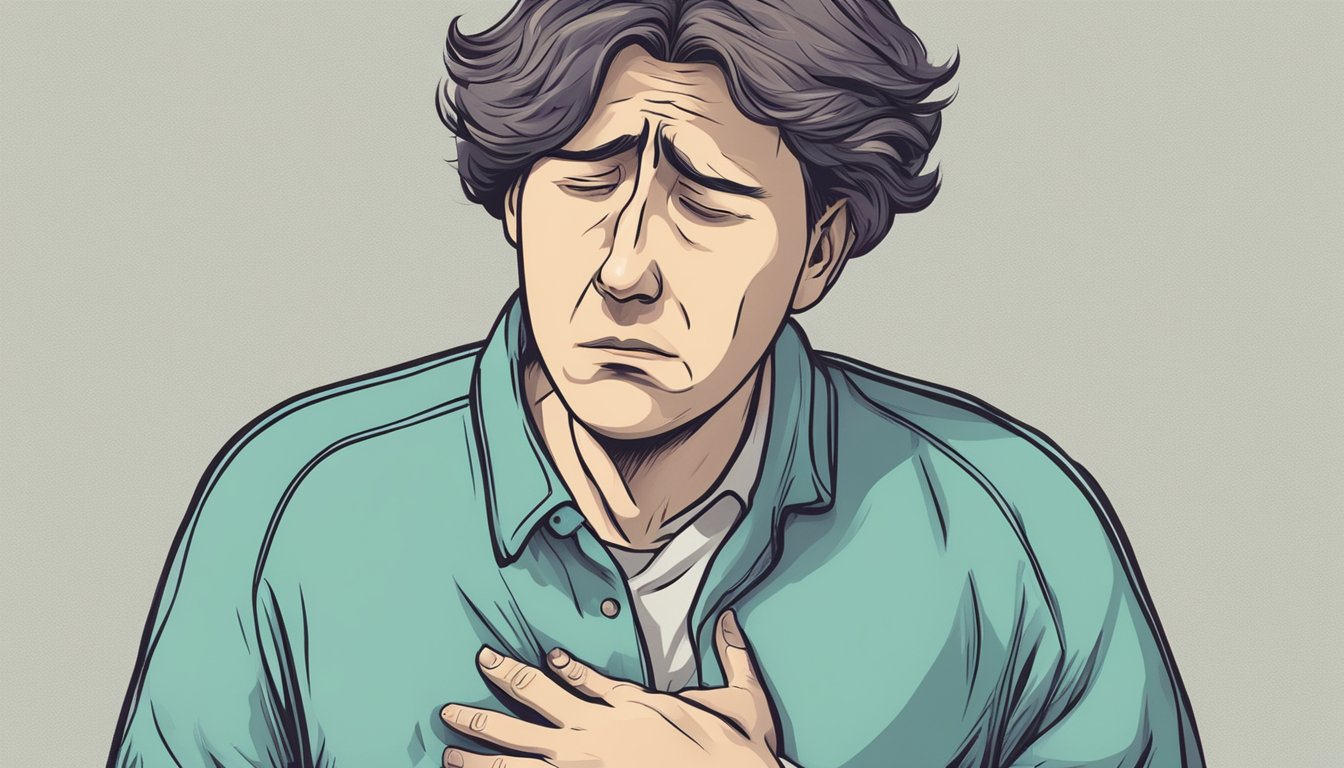
A sudden sharp pain on the left side of the chest that dissipates quickly could be due to a variety of reasons. It could be caused by a muscle strain, rib injury, or even a panic attack. However, it is important to note that it could also be a sign of a heart attack, especially if it is accompanied by other symptoms such as shortness of breath, sweating, and nausea.
What is Precordial catch syndrome and how does it relate to chest pain?
Precordial catch syndrome is a condition that causes sudden and sharp pain in the chest that usually lasts for a few seconds to a few minutes. It is a harmless condition that is more common in children and young adults. It is believed to be caused by a pinched nerve in the chest. While it can be uncomfortable, it is not a serious condition and does not require treatment.
What might be the reasons for experiencing needle-like pain in the chest that occurs intermittently?
Intermittent needle-like pain in the chest could be caused by a variety of reasons, including anxiety, muscle strain, or even acid reflux. It is important to note that it could also be a sign of a more serious condition such as angina or a heart attack, especially if it is accompanied by other symptoms such as shortness of breath or sweating.
How can one distinguish between cardiac-related chest pain and other types of chest pain in women?
Chest pain in women can be caused by a variety of reasons, including heart-related issues such as angina or a heart attack, as well as non-cardiac issues such as acid reflux or anxiety. However, it is important to note that women may experience different symptoms than men when it comes to heart-related issues. Women may experience symptoms such as nausea, vomiting, and back pain in addition to chest pain. If you are experiencing chest pain, it is important to seek medical attention immediately.
What does a pinching sensation near the heart indicate?
A pinching sensation near the heart could be a sign of a heart-related issue such as angina or a heart attack. It is important to seek medical attention immediately if you are experiencing this symptom.
What are the potential causes of a sharp pain in the middle of the chest in females?
A sharp pain in the middle of the chest in females could be caused by a variety of reasons, including heart-related issues such as angina or a heart attack, as well as non-cardiac issues such as acid reflux or anxiety. It is important to seek medical attention if you are experiencing this symptom, especially if it is accompanied by other symptoms such as shortness of breath or sweating.
It is important to note that chest pain can be a sign of a serious medical condition. If you are experiencing chest pain, it is important to seek medical attention immediately. This article is for informational purposes only and should not be used as a substitute for professional medical advice.
Further reading
- HealthHub — Cardiovascular Disease
- National Heart Centre Singapore — Conditions & Treatments
- Health Promotion Board — Healthy Living
Disclaimer: This article is general information about cardiovascular health. It is not medical advice, diagnosis or treatment, and reading it does not create a doctor–patient relationship. Always seek the advice of your doctor or another qualified health professional with any questions you have about a medical condition, and never disregard or delay seeking medical advice because of something you have read here. If you think you may be having a medical emergency, call 995 or go to the nearest emergency department.