

Low blood pressure with high heart rate can indicate an underlying condition that requires medical attention. Blood pressure and heart rate are two vital signs that provide important information about a person’s health. Blood pressure measures the force of blood against the walls of the arteries, while heart rate measures the number of times the heart beats per minute. A low blood pressure reading combined with a high heart rate can be a sign of an underlying medical condition.
Understanding Blood Pressure and Heart Rate Blood pressure and heart rate are two important vital signs that help to monitor a person’s health. Blood pressure is the force of blood against the walls of the arteries, while heart rate refers to the number of times the heart beats per minute. Blood pressure is measured in millimetres of mercury (mmHg) and is represented by two numbers – the systolic pressure (top number) and the diastolic pressure (bottom number). Heart rate is measured in beats per minute (bpm).
Causes and Symptoms of Low Blood Pressure with High Heart Rate Low blood pressure with high heart rate can occur due to various reasons, including dehydration, blood loss, anemia, hormonal imbalances, heart problems, and some medications. Symptoms of this condition may include dizziness, lightheadedness, fainting, weakness, fatigue, rapid heartbeat, and shortness of breath. It is essential to seek medical attention if these symptoms persist or worsen over time.
Key Takeaways
- Low blood pressure with high heart rate can indicate an underlying medical condition.
- Blood pressure and heart rate are two vital signs that provide important information about a person’s health.
- Symptoms of low blood pressure with high heart rate may include dizziness, lightheadedness, fainting, weakness, fatigue, rapid heartbeat, and shortness of breath.
Understanding Blood Pressure and Heart Rate
Physiology of Blood Pressure
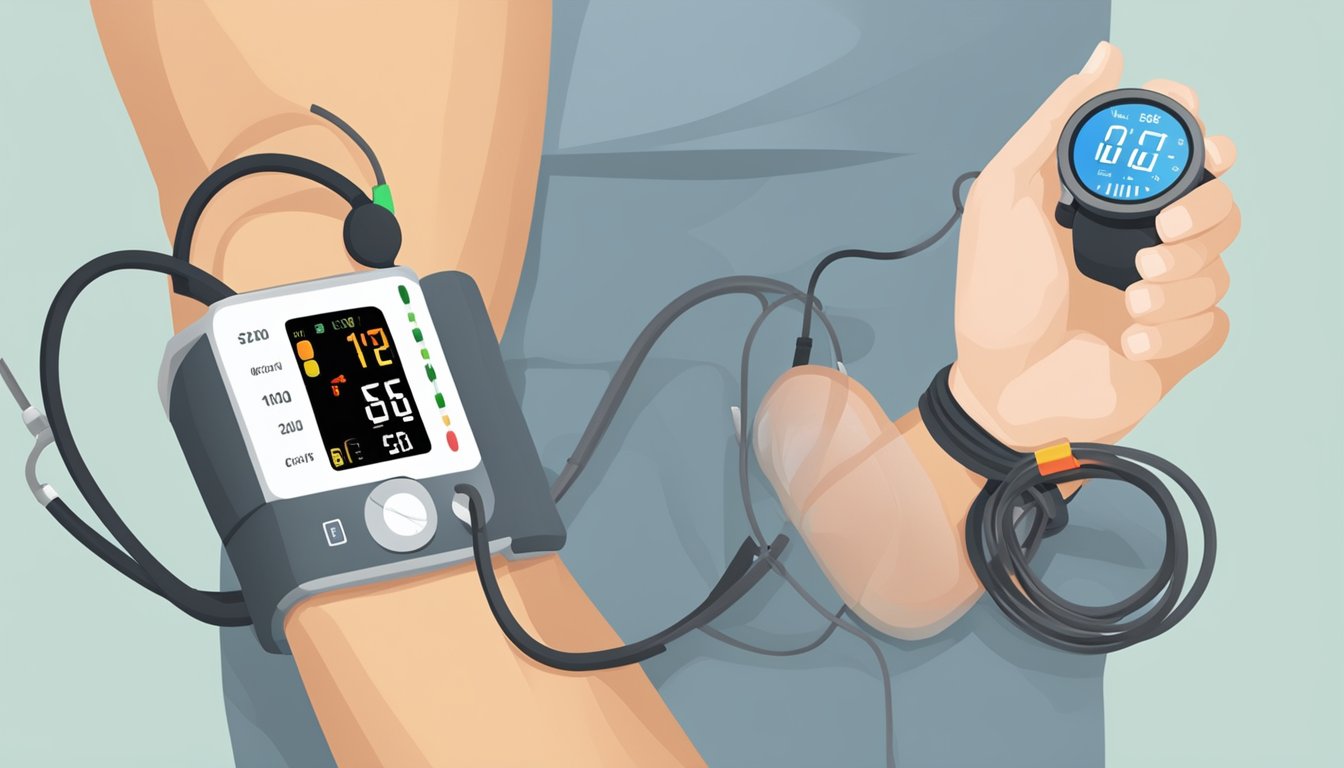
Blood pressure is the force exerted by the blood against the walls of the arteries as it flows through them. Blood pressure is measured in millimetres of mercury (mmHg) and is expressed as two numbers, systolic pressure (the higher number) and diastolic pressure (the lower number). The systolic pressure measures the force of the blood against the arterial walls when the heart beats, while the diastolic pressure measures the pressure when the heart is at rest between beats.
The autonomic nervous system regulates blood pressure by controlling the diameter of the blood vessels. The sympathetic nervous system, which is responsible for the “fight or flight” response, increases blood pressure by constricting the blood vessels, while the parasympathetic nervous system, responsible for the “rest and digest” response, decreases blood pressure by dilating the blood vessels.
Mechanics of Heart Rate
Heart rate is the number of times the heart beats per minute. The heart is a muscular organ that pumps blood throughout the body. It is composed of four chambers, two atria and two ventricles. The atria receive blood from the veins and pump it into the ventricles, which then pump the blood out into the arteries.
The autonomic nervous system also regulates heart rate. The sympathetic nervous system increases heart rate by releasing the hormone adrenaline, which increases the heart’s contractility and rate of contraction. The parasympathetic nervous system decreases heart rate by releasing the hormone acetylcholine, which slows down the heart’s rate of contraction.
In some cases, low blood pressure and high heart rate can occur together. This can happen when the body is trying to compensate for a drop in blood pressure by increasing the heart rate to maintain blood flow. However, persistent low blood pressure and high heart rate can be a sign of an underlying medical condition and should be evaluated by a healthcare professional.
It is important to note that changes in blood pressure and heart rate can also be affected by various factors such as age, physical activity, stress, and medication. Therefore, monitoring blood pressure and heart rate regularly and seeking medical attention if there are any concerns is crucial for maintaining good cardiovascular health.
Causes and Symptoms of Low Blood Pressure with High Heart Rate

Common Causes
Low blood pressure with high heart rate can be caused by various factors. Some of the common causes include dehydration, stress, heart failure, septic shock, infection, and orthostatic hypotension. Orthostatic hypotension is a type of low blood pressure that occurs when a person stands up after sitting or lying down for a long time.
Other causes of low blood pressure with high heart rate include blood vessel problems, heart valve problems, and certain medications. In rare cases, it can be caused by an adrenal gland disorder or a tumour that produces excess adrenaline.
Recognising Symptoms
Low blood pressure with high heart rate can cause various symptoms, including dizziness, lightheadedness, confusion, fatigue, and fainting. Nausea, blurred vision, weakness, and buckling of the legs can also occur.
It is important to note that symptoms may vary depending on the underlying cause. For example, dehydration can cause thirst, dry mouth, and dark urine. Shock can cause rapid breathing, cold and clammy skin, and a weak pulse.
If you experience any of these symptoms, it is important to seek medical attention immediately. Low blood pressure with high heart rate can be a sign of a serious underlying condition, and prompt diagnosis and treatment are essential.
Diagnosis and Monitoring
Medical Assessment
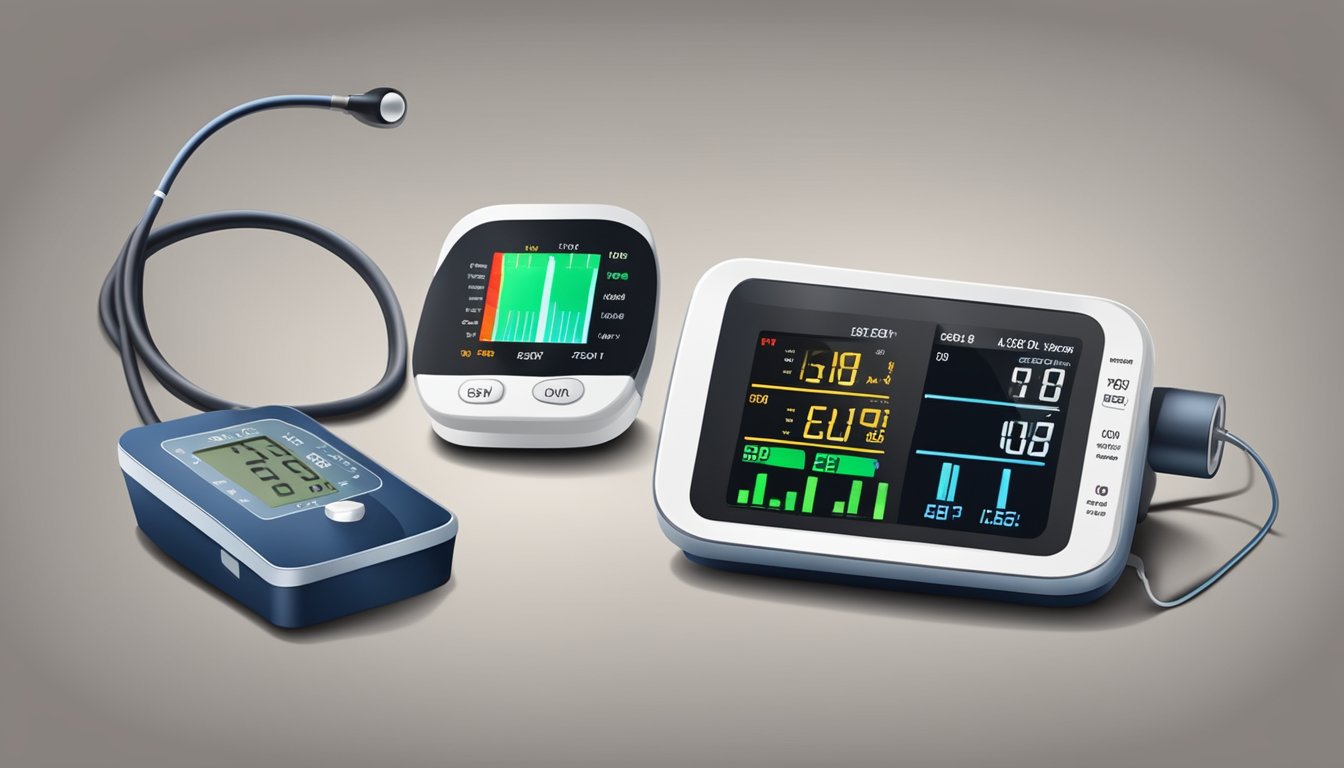
A medical assessment is crucial for diagnosing low blood pressure with high heart rate. A doctor or healthcare provider will take a detailed medical history of the patient, including any medications they are currently taking. They will also check the patient’s blood pressure and heart rate using a sphygmomanometer and a stethoscope. The blood pressure reading is measured in millimeters of mercury (mmHg) and consists of two numbers, the systolic and diastolic pressure. A normal blood pressure reading is typically around 120/80 mmHg. A low blood pressure reading is considered 90/60 mmHg or lower.
If a patient is experiencing symptoms such as dizziness, fainting, or shortness of breath, the doctor may order additional tests to determine the underlying cause. These tests may include an electrocardiogram (ECG) to check for any abnormal heart rhythms, blood tests to check for any underlying medical conditions, or a tilt table test to evaluate the patient’s blood pressure response to changes in position.
Ongoing Management
Once a diagnosis of low blood pressure with high heart rate has been made, ongoing management is necessary to prevent further complications. Depending on the underlying cause, the doctor may recommend lifestyle changes such as increasing salt intake, staying hydrated, and avoiding standing up too quickly. In some cases, medication may be prescribed to help regulate blood pressure and heart rate.
It is important for patients to monitor their blood pressure and heart rate regularly, either at home or through regular check-ups with their doctor. This will help ensure that their blood pressure and heart rate remain within a safe range and that any changes can be addressed promptly.
It is important to note that low blood pressure with high heart rate can be a symptom of a more serious underlying medical condition, such as heart disease or thyroid disorders. As such, it is important for patients to seek medical attention if they experience any symptoms or if their blood pressure and heart rate readings are consistently abnormal.
Treatment and Management Strategies
Lifestyle Adjustments
Lifestyle adjustments can help manage low blood pressure and high heart rate. The following are some ways to make lifestyle changes:
- Increase salt intake: Salt increases blood volume and can raise blood pressure. However, individuals with heart or kidney problems should consult with their doctor before increasing their salt intake.
- Stay hydrated: Dehydration can cause low blood pressure and high heart rate. Drinking plenty of fluids can help prevent this.
- Exercise regularly: Regular exercise can help improve blood circulation and lower blood pressure. However, individuals with heart problems should consult with their doctor before starting an exercise program.
- Eat a healthy diet: Eating a healthy diet that is rich in fruits, vegetables, whole grains, and lean protein can help improve overall health and manage blood pressure.
Medication and Therapies
Medications and therapies may be necessary to manage low blood pressure and high heart rate. The following are some medications and therapies that may be prescribed:
- Beta-blockers: Beta-blockers can help slow the heart rate and decrease blood pressure.
- Diuretics: Diuretics can help remove excess fluid from the body and lower blood pressure.
- Calcium channel blockers: Calcium channel blockers can help relax blood vessels and lower blood pressure.
- Compression stockings: Compression stockings can help improve blood circulation and prevent blood from pooling in the legs.
- Pacemaker: A pacemaker can help regulate the heart rate in individuals with a slow heart rate.
- Ablation: Ablation is a procedure that uses heat or cold energy to destroy tissue in the heart that is causing an abnormal heart rhythm.
Emergency Interventions
In emergency situations, the following interventions may be necessary:
- IV fluids: IV fluids can help increase blood volume and raise blood pressure.
- Antibiotics: Antibiotics may be necessary to treat infections that are causing low blood pressure.
- Surgery: Surgery may be necessary to repair a damaged heart or blood vessel.
- Emergency pacemaker: An emergency pacemaker may be necessary to regulate the heart rate in individuals with a slow heart rate.
It is important to note that treatment and management strategies for low blood pressure and high heart rate should always be discussed with a doctor. Self-treatment can be dangerous and may worsen the condition.
Getting assessed in Singapore
In Singapore, ongoing cardiovascular management is shared between primary care and cardiology. Many people have blood pressure, cholesterol and diabetes reviewed by a GP or polyclinic, with specialist input where a cardiac problem is suspected or already diagnosed. Referral can be arranged through primary care, or a private clinic can be contacted directly.
Related pages on this site explain ambulatory blood pressure monitoring and managing cholesterol and blood pressure. You can also see all cardiac services.
Related background: hypertension and cardiovascular risk.
Frequently Asked Questions
What are the potential causes of experiencing a rapid heart rate alongside hypotension?
There are several potential causes of experiencing a rapid heart rate alongside hypotension, including dehydration, anaemia, heart disease, and hormonal imbalances. In some cases, certain medications can also cause these symptoms. It is important to consult with a medical professional to determine the underlying cause and appropriate treatment plan.
How might pregnancy affect heart rate and blood pressure levels?
During pregnancy, it is normal for a woman’s heart rate and blood pressure to increase slightly. However, if a woman experiences a rapid heart rate alongside hypotension, it could be a sign of a more serious condition, such as preeclampsia. It is important for pregnant women to regularly monitor their blood pressure and heart rate and to seek medical attention if they experience any concerning symptoms.
What treatment options are available for managing tachycardia in conjunction with low blood pressure?
The treatment for tachycardia in conjunction with low blood pressure will depend on the underlying cause of the symptoms. In some cases, lifestyle changes such as increasing fluid and salt intake or avoiding triggers such as caffeine and alcohol may be helpful. In more severe cases, medications such as beta-blockers or calcium channel blockers may be prescribed. It is important to work with a medical professional to determine the most appropriate treatment plan.
In what ways can postprandial states influence blood pressure and cardiac rhythm?
After eating a meal, blood is diverted to the digestive system, which can cause a temporary drop in blood pressure. This can lead to symptoms such as dizziness or lightheadedness. In some cases, postprandial hypotension can also cause an increase in heart rate. This is more common in older adults and those with certain medical conditions.
What role does dehydration play in the correlation between low blood pressure and increased heart rate?
Dehydration can cause a decrease in blood volume, which can lead to a drop in blood pressure. In response, the body may increase heart rate in an attempt to maintain adequate blood flow to the organs. It is important to stay hydrated and to seek medical attention if you experience symptoms such as dizziness, fatigue, or confusion.
How can a viral infection such as COVID-19 impact blood pressure and heart rate?
COVID-19 can cause a range of symptoms, including fever, cough, and shortness of breath. In some cases, the virus can also cause cardiovascular complications such as myocarditis or arrhythmias. These complications can lead to changes in blood pressure and heart rate. It is important to seek medical attention if you experience any concerning symptoms, particularly if you have recently been diagnosed with COVID-19.
Note: The information provided is for educational purposes only and should not be used as a substitute for professional medical advice. It is important to consult with a medical professional if you have any concerns about your blood pressure or heart rate.
Also on this site
Further reading
- HealthHub — Cardiovascular Disease
- Health Promotion Board — Healthy Living
- National Heart Centre Singapore — Conditions & Treatments
Disclaimer: This article is general information about cardiovascular health. It is not medical advice, diagnosis or treatment, and reading it does not create a doctor–patient relationship. Always seek the advice of your doctor or another qualified health professional with any questions you have about a medical condition, and never disregard or delay seeking medical advice because of something you have read here. If you think you may be having a medical emergency, call 995 or go to the nearest emergency department.