

Normal heart rate for women: Heart rate is an essential indicator of cardiovascular health. It is the number of times your heart beats per minute (bpm).
Heart rate is an essential indicator of cardiovascular health. It is the number of times your heart beats per minute (bpm). A normal heart rate for women varies depending on age, fitness level, and overall health. In general, a resting heart rate of 60 to 100 bpm is considered normal for most adults. However, it is important to note that factors such as exercise, stress, and medical conditions can affect heart rate.
Understanding Heart Rate
Heart rate is a measure of how hard your heart is working to pump blood throughout your body. It is influenced by a variety of factors, including age, sex, fitness level, and overall health. A healthy heart rate is important because it ensures that your body is getting the oxygen and nutrients it needs to function properly. When your heart rate is too high or too low, it can be a sign of an underlying health condition.
Measuring Heart Rate
There are several ways to measure heart rate, including taking your pulse manually, using a heart rate monitor, or undergoing an electrocardiogram (ECG) test. Taking your pulse manually involves placing your index and middle fingers on the inside of your wrist or neck and counting the number of beats you feel in 60 seconds. A heart rate monitor is a wearable device that tracks your heart rate continuously throughout the day. An ECG test is a medical procedure that measures the electrical activity of your heart.
Key Takeaways
- Heart rate is a measure of how hard your heart is working to pump blood throughout your body.
- A normal heart rate for women varies depending on age, fitness level, and overall health.
- There are several ways to measure heart rate, including taking your pulse manually, using a heart rate monitor, or undergoing an electrocardiogram (ECG) test.
Understanding Heart Rate

Defining Normal Heart Rate
Heart rate refers to the number of times the heart beats per minute. It is a crucial indicator of cardiovascular health. The normal heart rate for women varies depending on age, fitness level, and overall health. For adult women, the average heart rate is 78 to 82 beats per minute. However, the normal range for most healthy adults is between 55 and 85 beats per minute.
Resting heart rate is the heart rate when a person is at rest, and it is the lowest amount of blood pumped to supply the body’s oxygen needs. The normal resting heart rate ranges from 60 to 100 beats per minute. Generally, a lower resting heart rate implies more efficient heart function and better cardiovascular fitness. For example, a well-trained athlete might have a normal resting heart rate closer to 40 beats per minute.
Maximum heart rate is the highest heart rate a person can achieve during physical activity. It varies depending on age and fitness level. The maximum heart rate for women can be calculated by subtracting their age from 220. For example, the maximum heart rate for a 40-year-old woman would be 180 beats per minute.
Factors Affecting Heart Rate
Multiple factors can affect heart rate, including exercise, stress, hormones, temperature, caffeine, alcohol, smoking, and medication. Exercise can increase heart rate, as it requires more oxygen to be delivered to the muscles. Stress can also increase heart rate, as the body prepares for a ‘fight or flight’ response. Hormones, such as adrenaline, can also increase heart rate.
Temperature can affect heart rate, as the body tries to regulate its internal temperature. Caffeine and alcohol can also affect heart rate, as they can stimulate or depress the nervous system. Smoking can increase heart rate and blood pressure, as it constricts blood vessels. Medications, such as beta-blockers or calcium channel blockers, can also affect heart rate.
It is essential to note that heart rate variability (HRV) is also a crucial indicator of cardiovascular health. HRV refers to the variation in time between successive heartbeats. A higher HRV indicates better cardiovascular health, while a lower HRV indicates poorer cardiovascular health.
In conclusion, understanding heart rate is crucial for maintaining cardiovascular health. The normal heart rate for women varies depending on age, fitness level, and overall health. Multiple factors can affect heart rate, including exercise, stress, hormones, temperature, caffeine, alcohol, smoking, and medication. It is essential to monitor heart rate and seek medical attention if there are any concerns.
Measuring Heart Rate
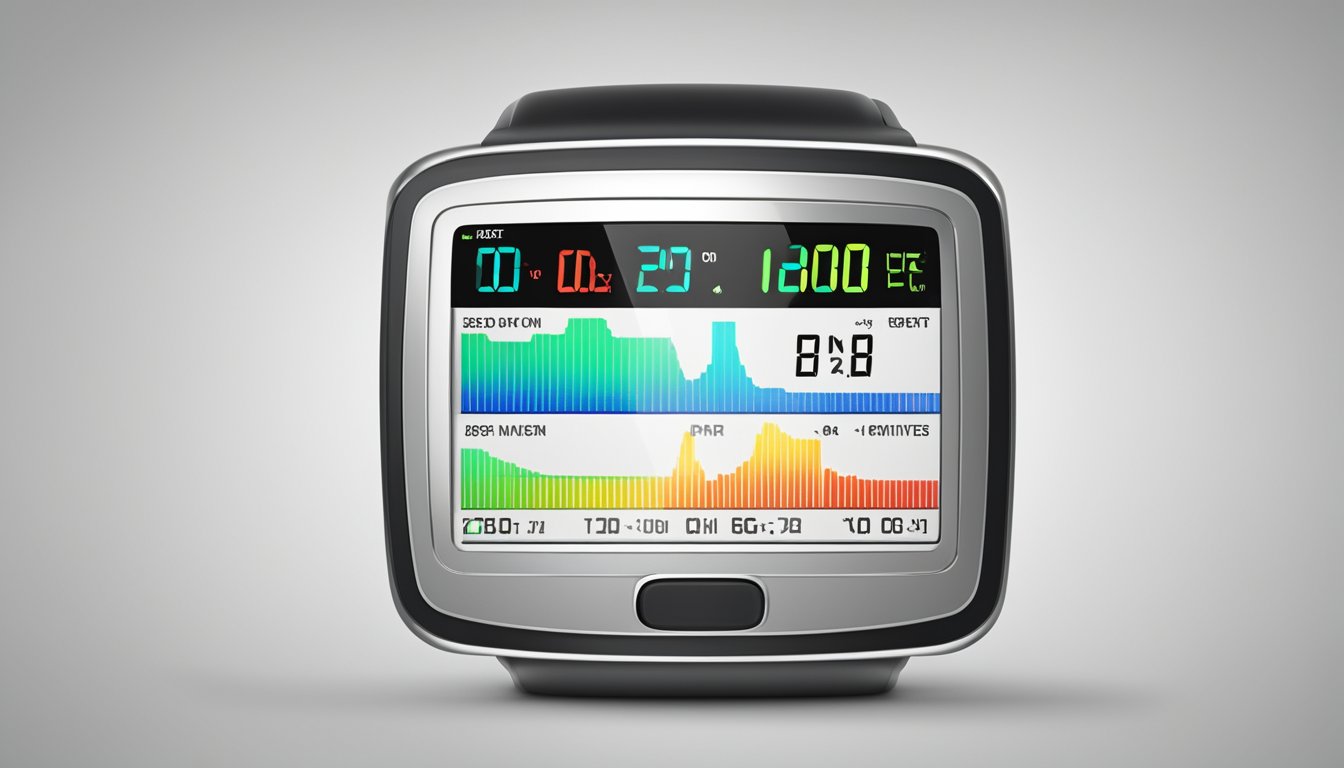
Measuring heart rate is a simple and non-invasive procedure that can be done by anyone. It is important to measure heart rate regularly to keep track of your cardiovascular health. Here are some methods of measuring heart rate:
Methods of Measuring Heart Rate
Pulse Measurement
The most common method of measuring heart rate is by taking the pulse. The pulse can be taken at the radial artery in the wrist or the carotid artery in the neck. To take the pulse, place two fingers on the artery and count the number of beats in 15 seconds. Multiply this number by four to get the beats per minute.
Heart Rate Monitor
Another way to measure heart rate is by using a heart rate monitor. These devices can be worn on the wrist like a watch or strapped around the chest. They work by detecting the electrical signals produced by the heart and can provide accurate readings in real-time.
Smartwatches
Smartwatches are becoming increasingly popular and many of them come with built-in heart rate monitors. These devices can be used to track heart rate throughout the day and provide valuable insights into cardiovascular health.
EKG (Electrocardiogram)
An EKG is a medical test that measures the electrical activity of the heart. It is a more advanced method of measuring heart rate and is usually done by a doctor or healthcare provider. EKGs can detect irregular heart rhythms and other abnormalities that may not be detected by other methods.
Interpreting Heart Rate Data
Interpreting heart rate data is important to understand your cardiovascular health. The American Heart Association provides a chart that shows the target heart rate zone based on age and exercise intensity. Generally, a normal resting heart rate for women is between 60 to 100 beats per minute. However, multiple factors such as hormones, exercise, and lifestyle choices can affect heart rate.
It is recommended to consult with a doctor or healthcare provider if you have concerns about your heart rate. They can provide more accurate readings and interpret the data to provide you with the best advice for your cardiovascular health.
Heart Rate in Women’s Health
Heart rate is an essential aspect of women’s health, and it is important to understand how it can be affected by various factors. Women’s heart rate can be influenced by their menstrual cycle, pregnancy, physical activity, fitness level, blood pressure, and weight.
Impact of Menstrual Cycle and Pregnancy
During the menstrual cycle, women’s heart rate can fluctuate due to hormonal changes. The heart rate tends to increase during the premenstrual phase, and it returns to normal after the menstrual period. During pregnancy, the heart rate increases to support the increased blood flow to the fetus. However, it is important to note that if the heart rate is too high during pregnancy, it may indicate an underlying health issue that needs to be addressed.
Heart Rate Concerns for Female Athletes
Female athletes require a different approach when it comes to heart rate monitoring. Women who are well-trained athletes tend to have lower resting heart rates than non-athletes. It is important to monitor heart rate during exercise to ensure that the heart rate does not exceed the target heart rate zone. Excessive exercise can lead to an irregular heartbeat, which can be dangerous to a woman’s health.
It is important to note that heart rate is not the only factor to consider when it comes to women’s health. Other factors such as blood pressure, weight, and physical fitness also play a crucial role. Women should consult with their doctor or a qualified healthcare professional before starting any exercise program or making any significant changes to their lifestyle.
Health Conditions Related to Heart Rate
Tachycardia and Bradycardia
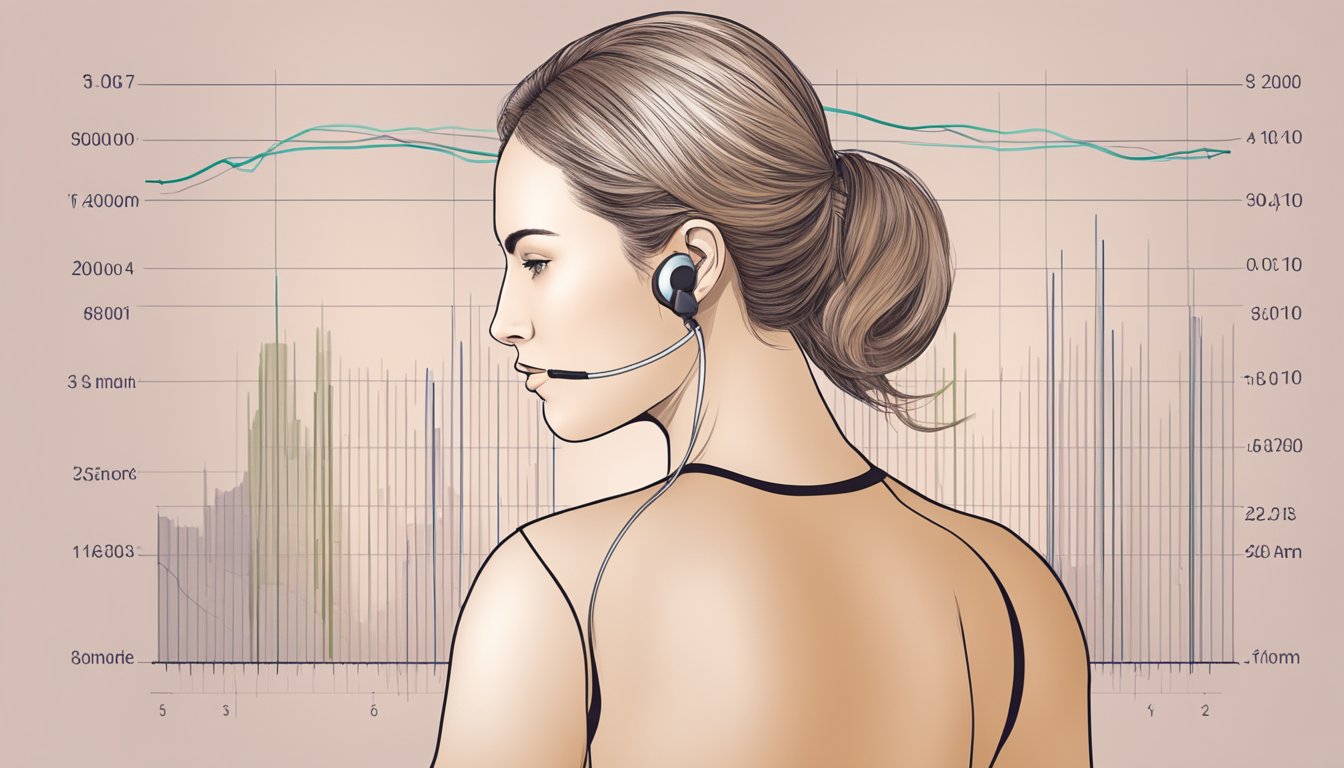
Tachycardia refers to a heart rate that is too fast, while bradycardia refers to a heart rate that is too slow. Both conditions can be caused by a variety of factors, including medical conditions, lifestyle changes, and medications.
Symptoms of tachycardia may include dizziness, anxiety, lightheadedness, fatigue, fainting, and shortness of breath. High resting heart rate and arrhythmia are also possible symptoms. Overactive thyroid, blood clots, pain, dehydration, heart muscle problems, and lifestyle changes can all contribute to tachycardia.
Bradycardia may cause symptoms such as fatigue, dizziness, and shortness of breath. It may also be a sign of a heart block, heart palpitations, or heart rhythm issues. Medical conditions such as anemia, fever, nicotine use, and infections may also cause bradycardia.
Heart Rate as an Indicator of Medical Conditions
Heart rate can be an indicator of underlying medical conditions. For example, a high resting heart rate may be a sign of high blood pressure, heart condition, or cardiovascular disease. A cardiologist may recommend lifestyle changes, medications, or other treatments to manage these conditions.
In some cases, a high heart rate may be a sign of a more serious medical condition, such as a heart attack or stroke. It is important to seek medical attention if you experience chest pain, heart palpitations, or other symptoms of a heart condition.
Overall, maintaining a healthy heart rate is important for overall health and wellbeing. Physiologists recommend losing weight, managing stress, and avoiding drugs and nicotine to promote a healthy heart. As always, it is important to consult with a healthcare professional for personalised health information and advice.
Getting assessed in Singapore
In Singapore, cardiovascular assessment is available through both the public and private sectors. Which tests are appropriate depends on your symptoms, risk factors and history rather than on choosing the most extensive option available. A GP or polyclinic can arrange a referral to a cardiologist, or a private clinic can be approached directly.
If you want to know how this is assessed in practice, see ECG testing or 24-hour Holter ECG monitoring, or review the preventive cardiology programme.
This sits alongside women’s heart health.
Frequently Asked Questions
What constitutes a concerning heart rate for females?
A resting heart rate of over 100 beats per minute or one that consistently falls below 60 beats per minute may indicate an underlying health issue and should be evaluated by a medical professional.
How does one’s age affect the normal resting heart rate for women?
The normal resting heart rate for adult women is between 60 to 100 beats per minute. However, it is important to note that the normal resting heart rate may vary depending on age. For example, the normal resting heart rate for women over 65 years of age is slightly higher than that of younger women.
At what heart rate should a woman be alarmed?
A woman should be alarmed if her heart rate exceeds 100 beats per minute or falls below 60 beats per minute while at rest or during physical activity. It is important to consult a medical professional if this occurs.
What factors influence the normal heart rate range for adult females?
Several factors can influence the normal heart rate range for adult females. These include age, fitness level, stress levels, medication, and underlying medical conditions.
How can a woman effectively reduce her resting heart rate?
Regular exercise, a healthy diet, and stress reduction techniques such as meditation or yoga can help a woman effectively reduce her resting heart rate. It is important to consult a medical professional before starting any new exercise or diet regimen.
What are the benchmarks for a healthy running heart rate in females by age?
The benchmarks for a healthy running heart rate in females by age vary. Generally, a healthy running heart rate for women in their 20s and 30s is between 130 and 170 beats per minute. For women in their 40s and 50s, a healthy running heart rate is between 120 and 160 beats per minute. For women over 60 years of age, a healthy running heart rate is between 110 and 140 beats per minute. However, it is important to note that these benchmarks may vary depending on individual fitness levels and medical conditions.
It is important to consult a medical professional before starting any new exercise regimen to ensure that it is safe and appropriate for an individual’s health status.
Further reading
- HealthHub — Heart Disease in Women
- HealthHub — Cardiovascular Disease
- Health Promotion Board — Healthy Living
- American Heart Association — Health Topics
Disclaimer: This article is general information about cardiovascular health. It is not medical advice, diagnosis or treatment, and reading it does not create a doctor–patient relationship. Always seek the advice of your doctor or another qualified health professional with any questions you have about a medical condition, and never disregard or delay seeking medical advice because of something you have read here. If you think you may be having a medical emergency, call 995 or go to the nearest emergency department.